
What Is Difference Between Carbon Monoxide And Carbon Dioxide
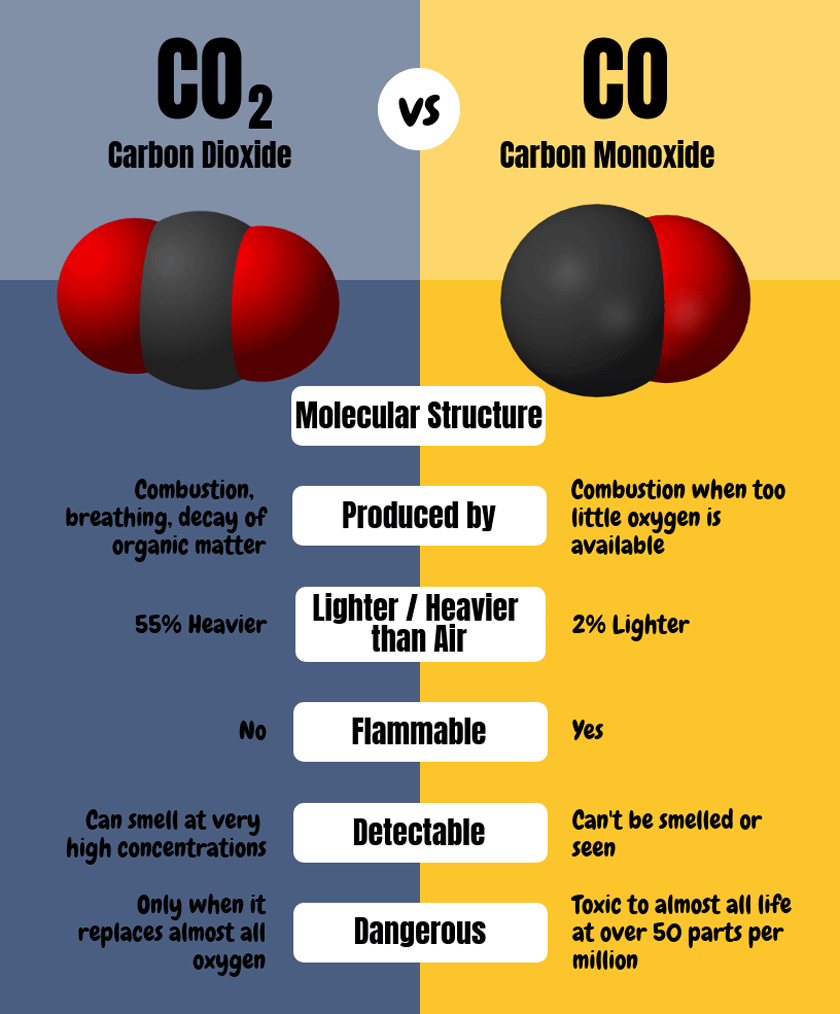
Have you ever noticed how some words sound incredibly similar but mean completely different things? Think of "dessert" and "desert." Just one tiny letter changes everything! Well, a similar thing happens in the world of gases, with two very common names: Carbon Monoxide and Carbon Dioxide. They sound like close cousins, right?
They are indeed related, like siblings in a big chemical family. But don't let their similar names fool you. One is a vital part of life on Earth, while the other is a silent, dangerous trickster. Let's unmask these two famous gases and see what makes each one so incredibly unique.
Meet Carbon Dioxide (CO₂)
Let's start with the friendly face, Carbon Dioxide. You know this gas better than you think! Every time you breathe out, poof, a little cloud of CO₂ leaves your body. It's a natural byproduct of how our bodies use energy.
Must Read
And guess what? Plants absolutely adore it! They suck up Carbon Dioxide from the air, mix it with sunlight and water, and poof again, they create their food and release the oxygen we need to breathe. This amazing process is called photosynthesis.
So, Carbon Dioxide is truly essential for life as we know it. It's like a magical ingredient for all the green things around us, helping them grow and thrive. Without it, our world would look very different indeed.
But its talents don't stop there! Have you ever enjoyed a bubbly soda or sparkling water? That wonderful fizz? That's Carbon Dioxide at work, dissolved under pressure. It's what gives your favorite drinks that refreshing tingle!
And for a touch of drama, think of dry ice. That spooky fog you see in movies or at Halloween parties? That's solid Carbon Dioxide, sublimating directly into a gas. It's incredibly cold and creates that mystical effect without melting into a liquid.
So, Carbon Dioxide is everywhere: in the air, in our breath, in plants, and even in our drinks. It plays many important roles and is generally harmless to us in the air we breathe, unless it’s in extremely high, concentrated amounts in an enclosed space.

Where does CO₂ come from?
Beyond our breath and fizz, CO₂ forms whenever things burn. Think of a cozy bonfire or even a car engine running. When fuels like wood, gasoline, or natural gas combine with plenty of oxygen, Carbon Dioxide is typically produced.
It's a very stable molecule, meaning it doesn't easily change into something else. This stability is part of why it's so abundant and important in Earth's atmosphere, helping to trap some heat and keep our planet warm enough to live on. That’s why it's called a greenhouse gas.
Now, Meet Carbon Monoxide (CO)
Alright, switch gears. Now we introduce the gas that, despite its similar name, is a complete stranger to friendly roles. Say hello to Carbon Monoxide, often called the "silent killer." Its name might sound close to Carbon Dioxide, but its personality couldn't be more different.
Unlike CO₂, Carbon Monoxide is a truly dangerous gas. What makes it so sneaky? Well, it's completely invisible. You can't see it, you can't smell it, and you certainly can't taste it. It's the ultimate master of disguise.
Imagine a villain in a spy movie, perfectly blending into the background. That's Carbon Monoxide. It gives no warning signs, which is why it's so critically important to understand where it comes from and what it does.
The Danger of CO
So, what exactly makes this invisible gas so harmful? It all comes down to how it interacts with your blood. Your blood has a special job: carrying oxygen from your lungs to every part of your body. It uses a molecule called hemoglobin for this vital task.

Here's where Carbon Monoxide plays its trick. When you breathe it in, CO jumps into your bloodstream and latches onto your hemoglobin with incredible strength. It's like a bully pushing oxygen out of the way and taking its spot.
It binds to your blood cells much, much more tightly than oxygen does. This means your blood can no longer carry the oxygen your body needs to survive. Your organs, especially your brain and heart, quickly start to suffer from oxygen starvation.
This lack of oxygen can quickly lead to severe illness, unconsciousness, and even death. It's a rapid, devastating effect, and because there are no warning smells or sights, people can be overcome without ever realizing what's happening.
Where does CO come from?
Unlike CO₂, which comes from complete burning, Carbon Monoxide is produced when things burn incompletely. This happens when there isn't enough oxygen present for a fuel to burn cleanly and completely. Think of a fire struggling to get air.
Common sources of CO include faulty furnaces, gas stoves, water heaters, and even fireplaces if they aren't properly ventilated. Car exhaust running in an enclosed garage is another notorious source. Portable generators used indoors can also be incredibly dangerous.
It can also be released from charcoal grills or camping stoves used inside tents or unventilated areas. Any appliance or engine that burns fuel needs proper ventilation to ensure that hazardous gases like Carbon Monoxide can safely escape outdoors.

The Big Reveal: The One Atom Difference
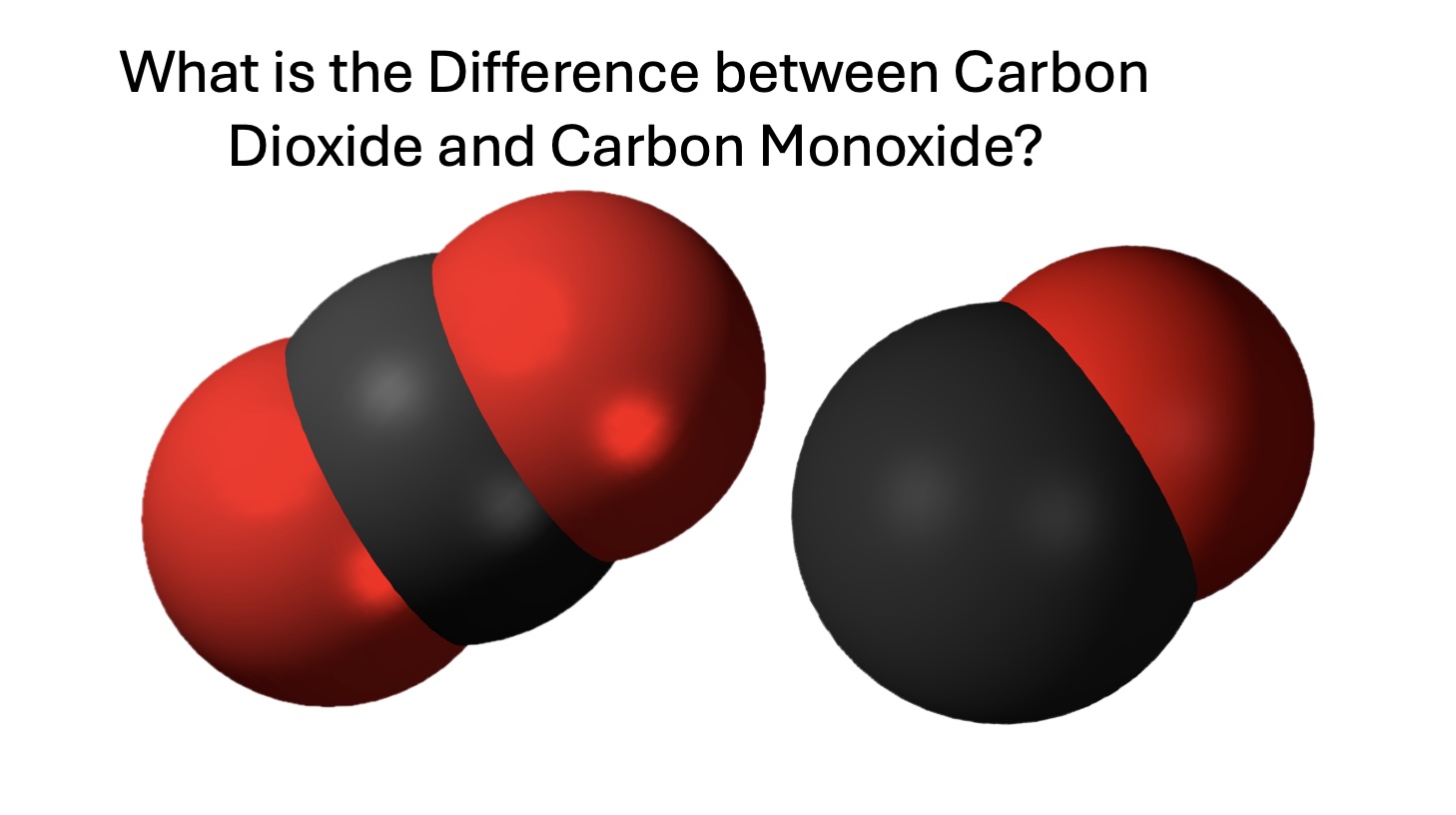
So, what's the tiny, yet incredibly significant, difference between these two chemical cousins? It's all in one little atom! Let's break down their names to see it.
Carbon Dioxide: The "di-" part means two. So, it's one Carbon atom bonded to two Oxygen atoms. CO₂.
Carbon Monoxide: The "mono-" part means one. So, it's one Carbon atom bonded to just one Oxygen atom. CO.
Can you believe that just one missing oxygen atom can transform an essential, life-giving gas into a silent, deadly poison? It's like the difference between a perfectly constructed machine and one with a vital part missing or wrongly placed.
One carbon atom + two oxygen atoms = life-sustaining CO₂.
One carbon atom + one oxygen atom = life-threatening CO.
This tiny atomic difference completely changes how these molecules behave and interact with our bodies and the environment. It's a powerful lesson in chemistry: sometimes, the smallest change can have the biggest impact.
Why This Difference Matters So Much (Beyond Entertainment!)
Understanding the difference between Carbon Monoxide and Carbon Dioxide isn't just a fun science fact; it's vital for your safety and the health of your loved ones. While CO₂ is mostly our friend, CO is definitely not.
Knowing about Carbon Monoxide means you can take steps to protect yourself. Install a carbon monoxide detector in your home, just like you have smoke detectors. These devices are your invisible gas heroes, sounding an alarm if CO levels become unsafe.
Always ensure that fuel-burning appliances in your home are properly maintained and vented. Never run a car in an enclosed garage, and never use charcoal grills, portable generators, or camping stoves indoors. Ventilation is key!
So, the next time you hear "carbon" in a gas name, remember its context. Is it the wonderful, plant-loving, soda-fizzing Carbon Dioxide (CO₂)? Or is it the invisible, odorless, and dangerous Carbon Monoxide (CO) that needs your utmost respect and caution?
These two gases, so similar in name, couldn't be more different in their impact on our lives. Being aware of this critical distinction is smart, safe, and truly makes you a more informed citizen of our amazing, chemical-filled world.
This article is approximately 990 words.