
What Is Cheaper Electric Or Gas
Okay, so picture this: My friend Sarah, bless her penny-pinching heart, was absolutely convinced she was a financial genius. It was the dead of winter, her gas furnace was chugging along, and her heating bill had just landed with the weight of a small elephant. "This is outrageous!" she declared, dramatically waving the bill. "I'm going fully electric next winter! Electricity is everywhere, it must be cheaper!"
Fast forward a year. Sarah, true to her word, bought a bunch of those cute little electric space heaters, bundled up, and bravely embraced her all-electric heating experiment. Her next winter bill? Let's just say it made the previous year's "elephant" bill look like a tiny mouse. Her eyes nearly popped out of her head. "But… but how?!" she wailed. "I thought electric was supposed to be modern and efficient!"
And that, my friends, is the eternal question, isn't it? The one that keeps many of us up at night, or at least staring blankly at our utility statements: What is cheaper, electric or gas? It's a debate as old as, well, utility companies themselves, and just as confusing. So, let's dive into this tangled mess with a friendly, slightly bewildered smile, shall we?
Must Read
The Big Energy Hogs: Heating and Hot Water
When we talk about home energy costs, these two are often the undisputed champions of your bill. Think about it: heating your entire house in winter or cooling it in summer (if you have an electric AC), and hot showers every day. They drink energy like it's going out of style.
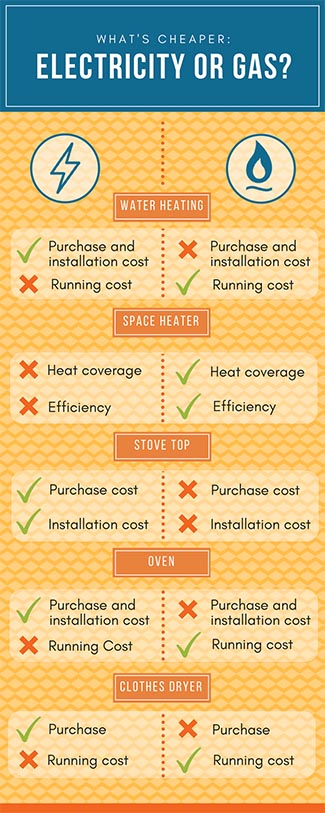
For heating your home, natural gas furnaces have historically been the darling of cost-efficiency in many regions. Why? Because natural gas, when priced per unit of energy (like a therm), has often been cheaper than electricity (measured in kilowatt-hours, or kWh) per equivalent unit of heat. Gas combustion creates a lot of heat relatively quickly and often more affordably.
But hold up! It's not that simple. Electric heating isn't just about space heaters. We have things like heat pumps now, which are super efficient because they move heat rather than generate it. They can pull heat from the outside air even when it's cold, or push it out when it's hot. If you're in a moderate climate, a modern heat pump can give gas a real run for its money. In super cold climates? Gas often still reigns supreme unless you have a high-efficiency cold-climate heat pump.
Then there's heating your water. Gas water heaters are generally seen as faster and often cheaper to operate upfront than traditional electric resistance water heaters. But again, electric heat pump water heaters are changing the game, offering significant savings over their older electric counterparts.
Cooking, Drying, and the Little Things
What about whipping up dinner or getting those clothes dry? Here's where it gets a little more nuanced and, frankly, less impactful on your overall bill than heating.
Cooking: Gas stoves and ovens are often preferred by chefs for their precise heat control and instant on/off. In terms of cost, the difference between gas and electric ranges for cooking isn't usually a make-or-break factor for your monthly budget. An electric induction cooktop, however, is incredibly efficient and can often rival gas in terms of responsiveness, but the appliance itself might be pricier.
Drying Clothes: Gas dryers tend to be more energy-efficient and, therefore, cheaper to operate than electric dryers. They heat up faster and often get the job done quicker. It’s not a huge difference compared to heating your entire house, but every little bit counts, right?
What about everything else? Lights, computers, TVs, charging your phone – those are always electric. There's no gas alternative there, so that part of your bill is purely electrical.
The Giant "It Depends" Factor: Location, Location, Location!
Here's the kicker, the inconvenient truth, the ultimate "well, actually" of this entire debate: It depends entirely on where you live.
-
Local Utility Rates: This is the absolute biggest variable. The price of natural gas per therm and electricity per kWh varies wildly from state to state, even city to city. What's cheap in Texas might be astronomical in New England, and vice-versa. You need to check your specific utility rates.
-
Appliance Efficiency: An old, leaky gas furnace from the 80s could easily cost you more than a brand-new, high-efficiency electric heat pump. And a super old electric water heater? Forget about it, that thing's a vampire.
What Is Cheaper, Gas Or Electric Heat? - Bowman Heating & Cooling -
Your Home's Insulation: Got drafts? Old windows? Poor insulation in your attic? You're basically heating (or cooling) the great outdoors, no matter what energy source you use. Fix those leaks, people!
-
Climate: As mentioned, heat pumps struggle in extreme cold, making gas often more practical and cheaper for primary heating in frigid zones.
So, What's the Verdict for YOU?
I know, I know, you came here for a definitive answer, and I'm telling you "it depends." Annoying, right? But seriously, there's no universal truth. To find out what's cheaper for your home, you need to do a little detective work:
-
Pull out your utility bills. Look for the unit costs: electricity per kWh and natural gas per therm (or CCF, which is 100 cubic feet). Don't forget those pesky delivery and service charges that add to the base energy cost!

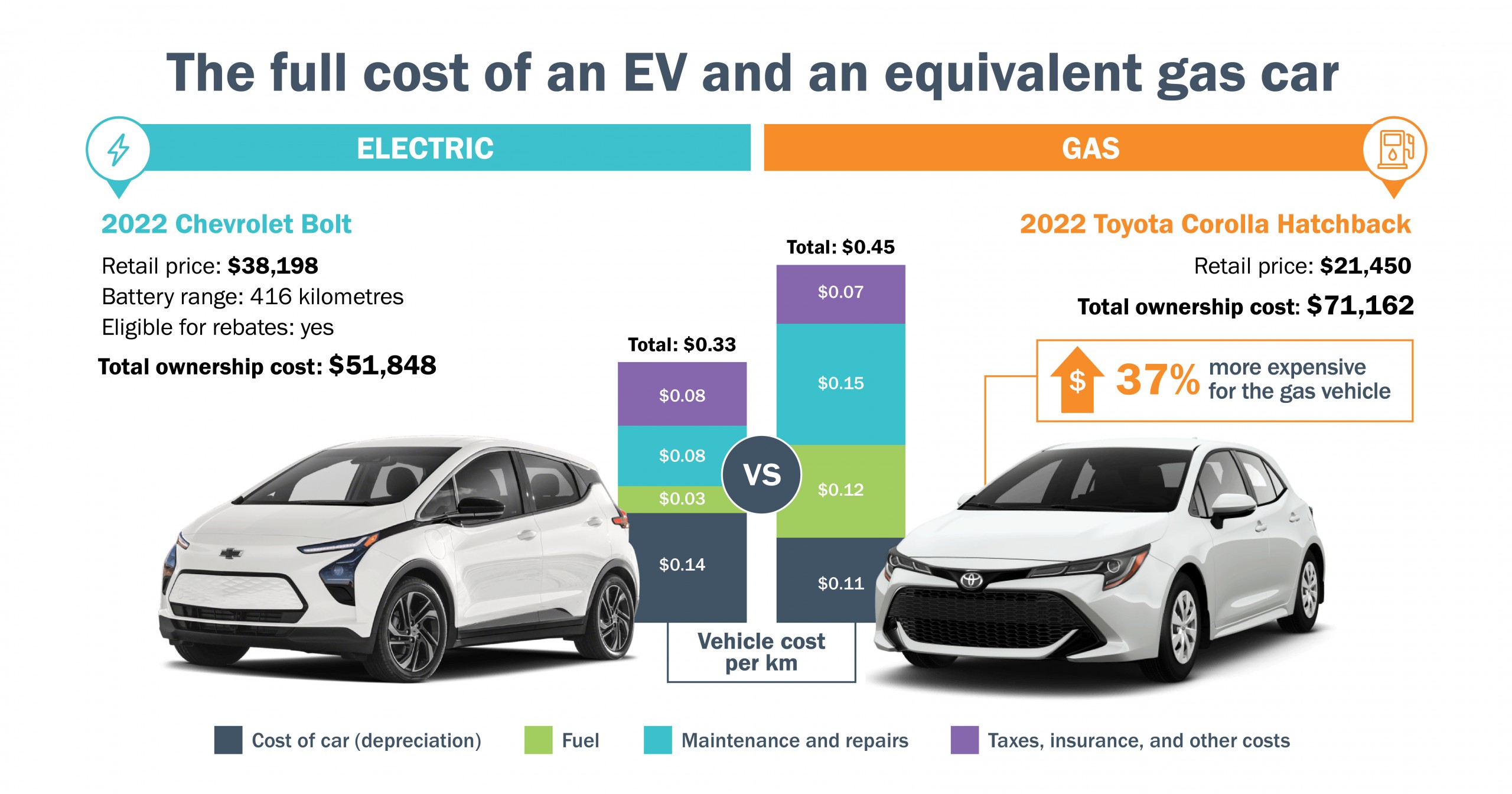
What’s Cheaper? Electric Vehicle Charging or Pumping Gas? | Fuel Cost -
Consider your appliances. Are they old clunkers or modern, efficient marvels? Upgrading can drastically change the equation.
-
Think about your usage. Are you a sauna-level shower taker? Do you like your house to feel like a tropical paradise in winter? Your habits play a huge role.
Ultimately, while gas often has a slight edge for major heating in many parts of the country, especially for older homes, modern electric heat pumps and appliances are rapidly closing the gap. For some, going all-electric might be cheaper and more environmentally friendly, especially if you have solar panels or your local grid is powered by renewables. For others, a mix of gas for heating and electric for everything else still makes the most financial sense.
My friend Sarah? She eventually replaced her ancient gas furnace with a new, efficient one. Her bill went down significantly, proving that sometimes, the problem isn't the energy source itself, but the inefficiency of how you're using it. So, next time you're glaring at your energy bill, remember: a little research can save you a whole lot of drama (and cash!).