
What Is Bad About Wind Power
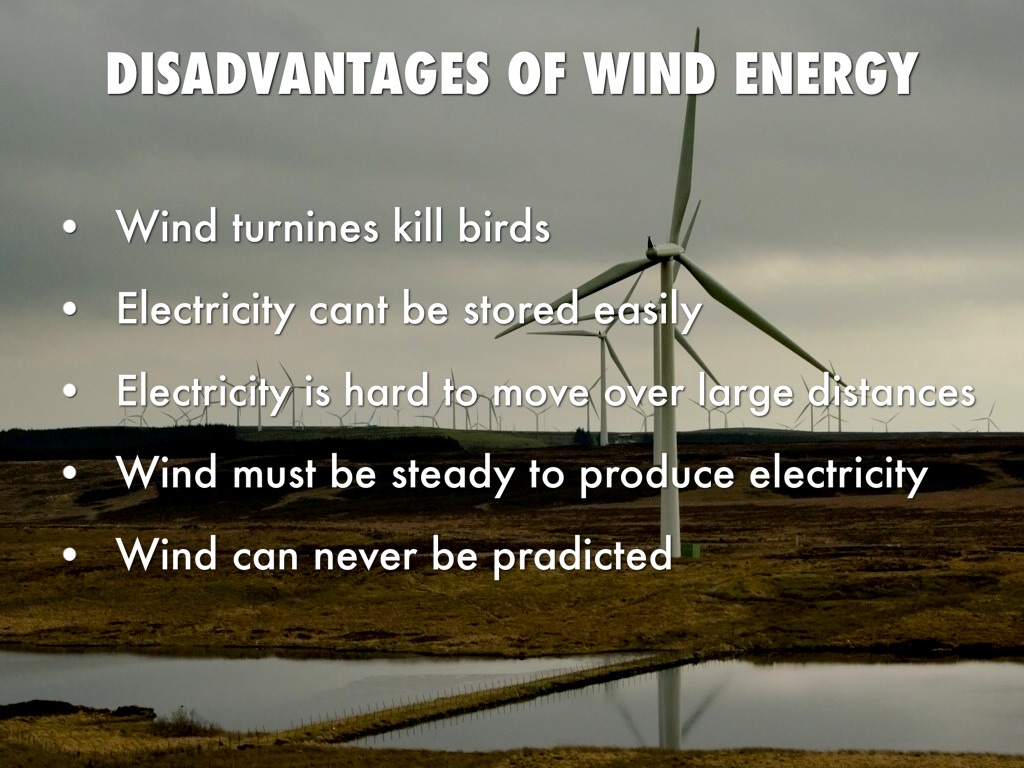
Alright, settle in, grab another imaginary latte, because we need to talk about wind power. I know, I know, it's the darling of clean energy, all those elegant turbines spinning like graceful ballet dancers in the sky, promising a future free from fossil fuels. It's the poster child for saving the planet, right?
Well, yes, but also... no. Because like that one friend who's super charming but secretly steals your fries when you're not looking, wind power has a few little quirks. Let's pull back the curtain on some of the not-so-breezy bits, shall we?
The Whine of the Wind
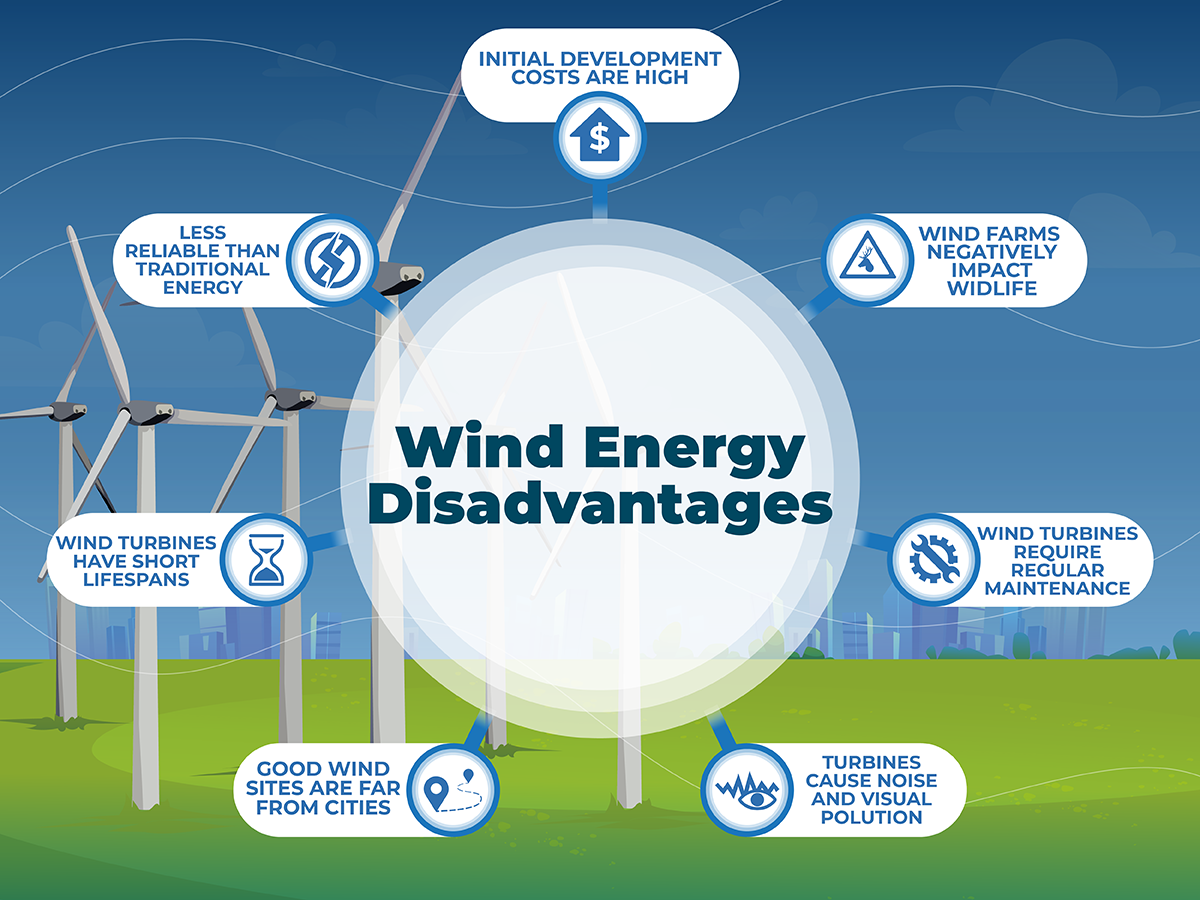
First up, let's address the elephant in the wind farm – or rather, the elephant in your backyard, if you happen to live near one. We're talking about noise pollution. Those majestic blades slicing through the air? They're not exactly silent whispers of nature. Think less "gentle breeze," more "helicopter that's decided to hover over your house for a decade."
Must Read
People living near these colossal pinwheels often report a constant, low-frequency whooshing, thrumming, or even a repetitive 'thump-thump-thump.' It's enough to drive a saint a little batty! Imagine trying to enjoy a quiet evening on your patio with that soundtrack. It’s like living next to a perpetually running washing machine… but a really, really big one. Some folks even call it 'wind turbine syndrome' because of the headaches and sleep disturbances it can cause. Not exactly the tranquil rural life you signed up for, eh?
The View From Here
Then there's the aesthetic argument, or what I like to call "view pollution." Now, I'm not saying they're ugly. They're just... there. All 500 feet of them, standing shoulder to shoulder, marching across the landscape like a silent army of alien tripods. They dominate skylines, disrupt historic views, and transform picturesque rolling hills into something resembling a giant's pinball machine.
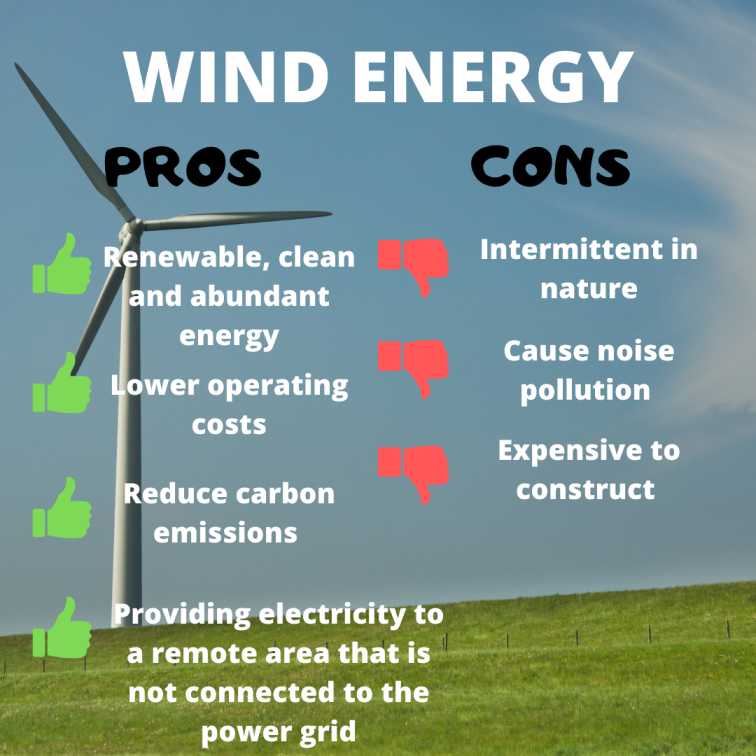
Suddenly, that stunning vista you bought your country cottage for is interrupted by a dozen colossal white sticks twirling menacingly. It's a bit like buying a beautiful painting and then hanging a neon sign right in the middle of it. Some find them graceful, others find them an absolute blight. Beauty is in the eye of the beholder, sure, but when the beholder is looking at a wind farm, they're definitely beholding a lot.
Birds, Bats, and Blenders
Okay, this one's a bit more serious, but let's try to keep it light. We all love our feathered and leathery friends, right? Well, wind turbines? Not so much. These things are essentially giant, slow-moving blenders for birds and bats. Picture a swift-flying raptor, focused on its prey, soaring majestically... and then whump. Instant falcon smoothie.
Estimates vary wildly, but we're talking about hundreds of thousands, potentially millions, of birds and bats killed by turbines every year in the US alone. And bats? They're particularly susceptible, not just to direct hits, but to pressure changes around the blades that cause their lungs to explode. Gruesome, I know! It’s not just a minor inconvenience; it's a significant ecological concern, especially for endangered species. Whoopsie!
When the Wind Don't Blow...
Here's the biggie, folks: wind power is, rather predictably, entirely dependent on... the wind. Revolutionary concept, I know! But what happens when the wind decides to take a coffee break? Or a long weekend? Or just gently sighs instead of blowing a gale?
Yup, those majestic turbines sit there, utterly useless. They generate zero electricity. This intermittency means you can't rely on wind for a steady, constant power supply. So, you still need backup power plants – often traditional fossil fuel ones – running to pick up the slack when the wind goes on vacation. It's like having a fancy sports car that only works on Tuesdays. It's great when it works, but you still need a reliable sedan for the rest of the week, right? And building and maintaining those backup plants adds to the overall cost and environmental footprint of the entire system.

The Landfill's New Best Friend
Let's talk about those colossal blades again. They're not made of fairy dust and good intentions. Mostly, they're fiberglass and resin – materials that are incredibly difficult, if not impossible, to recycle economically. These things are massive non-recyclable waste products at the end of their lifespan (typically 20-25 years).
We're literally burying them in landfills. Great big, hulking, unbiodegradable pieces of infrastructure. Think about it: a single turbine blade can be longer than a Boeing 747 wing. Imagine piles of these things, stacked like giant, discarded white whale bones, festering in our landfills for centuries. So much for "clean" energy when the clean-up crew is just pushing dirt over them!
The Land Grab
And finally, let's not forget the sheer scale. To generate significant amounts of power, you need a lot of turbines. And each turbine needs a pretty big buffer zone. We're talking vast tracts of land being converted into industrial power generation zones. That's land that could be used for farming, or wildlife habitats, or just, you know, being pretty natural landscape.

It’s not just the footprint of the turbine itself; it's the access roads, the transmission lines, the substations. It all adds up to a significant reshaping of the environment. So, while they're celebrated for reducing carbon emissions, they definitely leave a physical mark on the planet in other ways.
The Bottom Line (Spoiler: It's Not Always Green)
So, there you have it. Wind power, while undeniably a critical piece of our energy future, isn't quite the flawless, eco-friendly superhero it's often portrayed to be. It's got its creaks, its groans, its bird-blending tendencies, and its massive waste problem. It's a bit like that health food smoothie that tastes like pond water – good for you, but with some definite trade-offs.
Don't get me wrong, we need renewable energy. But it's important to look at the whole picture, gristle and all, before we declare anything a perfect solution. Sometimes, even the greenest energy comes with a few shades of grey. Now, about that coffee refill...