What Is Asc Surgery Scoliosis

Okay, let's talk about scoliosis! It sounds like a complicated medical term, right? But stick with me. Think of your spine like a perfectly stacked tower of building blocks. Usually, that tower is straight. But sometimes, with scoliosis, the tower curves to the side. Imagine someone gently pushing it from the side – that’s kind of what happens. Now, ASC surgery is a way to (sometimes!) help straighten that tower.
What is Scoliosis Anyway?
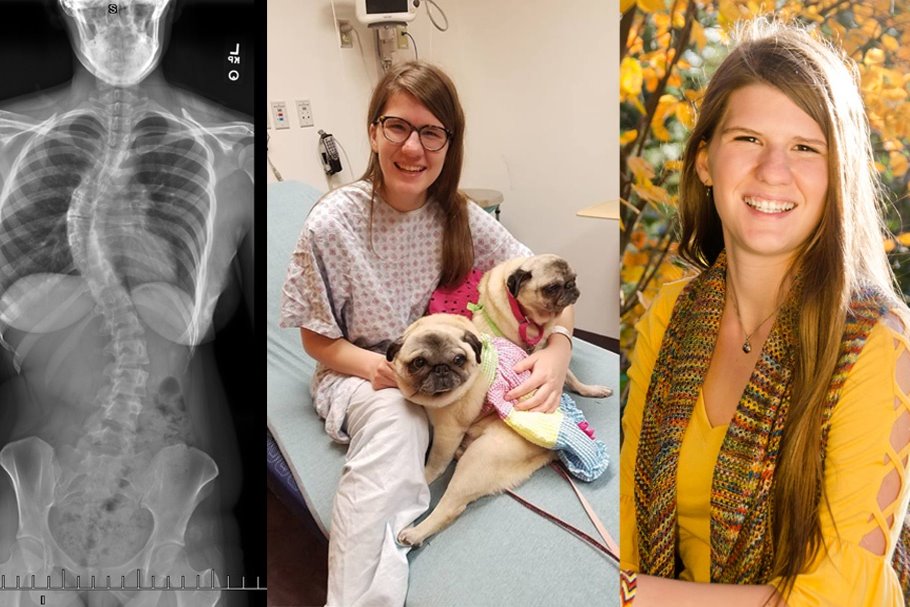
Scoliosis is basically a sideways curve in the spine. We're not talking about just slouching – this is an actual curve in the bones of your back. It can look like a "C" or an "S" shape. You might notice one shoulder is higher than the other, or one hip sticks out a bit more. It’s more common than you think – about 2-3% of adolescents have it!
Now, most people with scoliosis have mild curves. Like, imagine you’re drawing a slightly wiggly line – no big deal! But some people have curves that are more pronounced, like a winding road. In these cases, doctors might suggest bracing or, in more severe situations, surgery.
Must Read
Enter ASC Surgery: A New Kid on the Block
Traditional scoliosis surgery, called spinal fusion, is like permanently gluing those building blocks together to stop them from moving and prevent the curve from getting worse. Think of it as building a solid, unshakeable wall. It works well, but it can limit flexibility. Imagine trying to do a backbend after someone glued your spine together! Pretty tough, right?
This is where ASC surgery comes in. ASC stands for Anterior Scoliosis Correction. It's like using flexible wires to gently guide the spine back into a straighter position, without fusing the bones together. Think of it as using a gentle harness, not a rigid cast. Because the spine isn't fused, it allows for more movement and flexibility. Like being able to comfortably reach for that pickle jar on the top shelf without throwing your back out!

Imagine your spine is a climbing rose that's growing sideways. Traditional surgery might involve rigidly tying the rose to a trellis, forcing it straight. ASC surgery, on the other hand, is like gently coaxing the rose to grow upwards using flexible supports, allowing it to sway and bend naturally.
How Does ASC Surgery Work?
Instead of approaching the spine from the back, like in traditional fusion surgery, ASC surgery is done from the side (anterior means "front"). The surgeon makes small incisions on the side of the body and inserts screws into the vertebrae. These screws are then connected with a flexible cord. The surgeon then gently tightens the cord, which gradually straightens the spine.
Think of it like adjusting the strings on a puppet to make it stand straighter, but instead of strings, it's a flexible cord. Pretty neat, huh?

Why Should You Care?
Even if you don't have scoliosis, understanding ASC surgery is important! Here's why:
- It offers a potentially less invasive option. It preserves more flexibility than traditional spinal fusion.
- It represents advancements in medical technology. Knowing about ASC surgery means you're aware of cutting-edge treatments.
- Someone you know might benefit from it. A friend, family member, or even a colleague might be dealing with scoliosis. You can be a source of information and support!
Consider this: knowledge is power! The more you know about conditions like scoliosis and treatments like ASC surgery, the better equipped you are to advocate for your own health and the health of those around you.

Is ASC Surgery Right for Everyone?
Absolutely not! ASC surgery is not a one-size-fits-all solution. It's typically considered for younger patients with a specific type of scoliosis curve. The best way to determine if ASC surgery is right for someone is to consult with a qualified orthopedic surgeon who specializes in scoliosis. They can evaluate the individual's condition, discuss the pros and cons of different treatment options, and help make the best decision.
Think of it like choosing a car. A sports car is great for some people, but a minivan is better for others. It all depends on your specific needs and circumstances.
The Bottom Line
ASC surgery is a promising alternative to traditional spinal fusion for treating scoliosis in certain patients. It offers the potential for greater flexibility and a less invasive approach. While it's not a magic bullet, it represents a significant advancement in the treatment of scoliosis and provides hope for those seeking to improve their quality of life. So next time you hear about scoliosis, you can say, "Hey, I know something about that!"