
What Is An Oncor Delivery Charge
Ever stared at your electricity bill and felt like you needed a decoder ring just to understand it? You’re definitely not alone! Among the various line items, there's one that often raises an eyebrow: the Oncor Delivery Charge. It sounds official, maybe a little bit mysterious, but trust us, it's actually pretty straightforward once you peel back the layers. And don't worry, we're going to break it down in a way that'll make you feel like an electricity bill whisperer, not an algebra student.
So, What's the Big Deal with Oncor?
Think of it this way: when you order a delicious pizza, you pick your favorite pizza place, right? Maybe "Mama Mia's Marvelous Pies." But Mama Mia's doesn't actually own the car that brings the pizza to your door. There's a whole delivery crew, often a separate company, whose job it is to get that cheesy goodness from the oven to your couch. You pay Mama Mia's, and a portion of what you pay covers that delivery service.
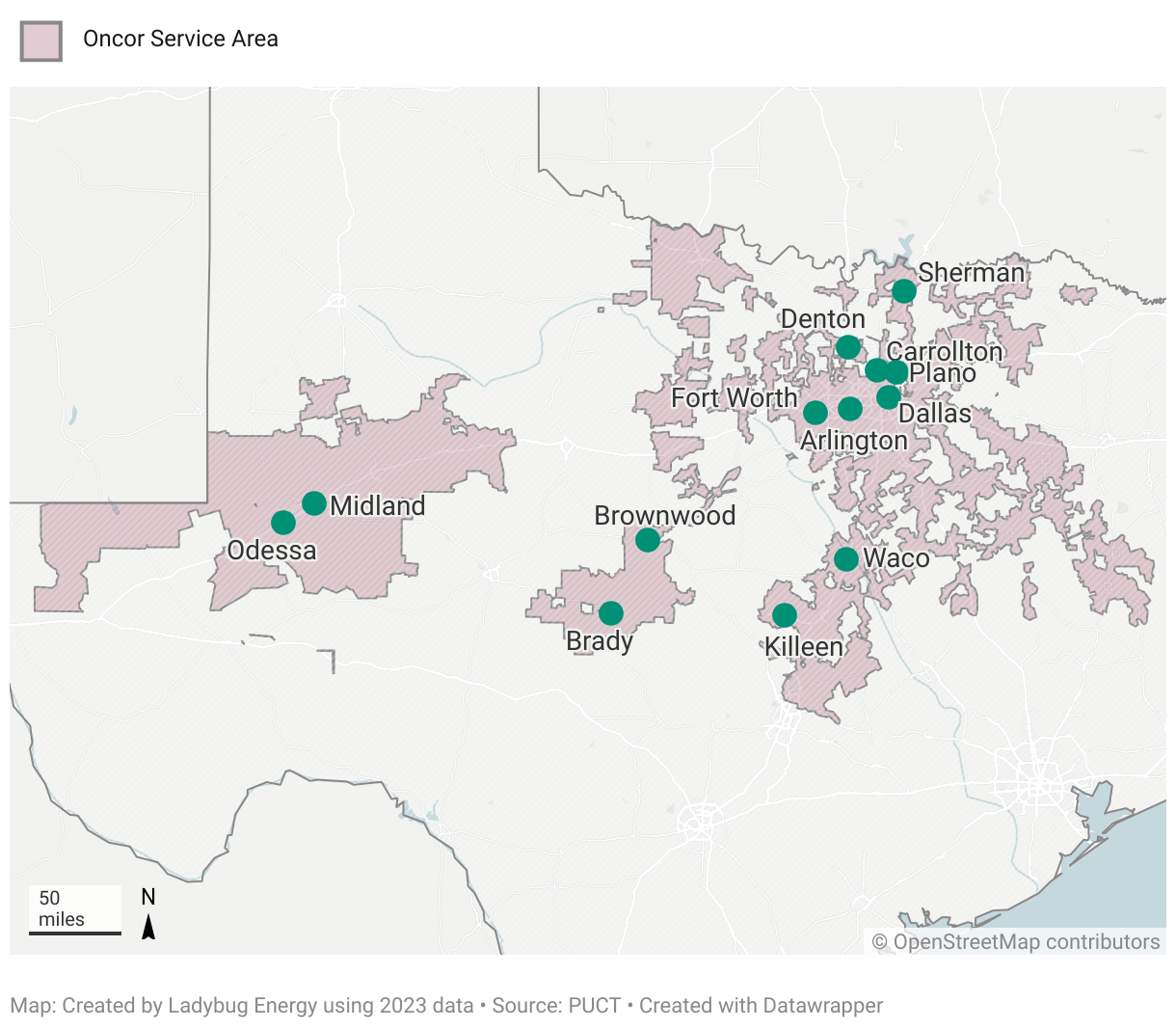
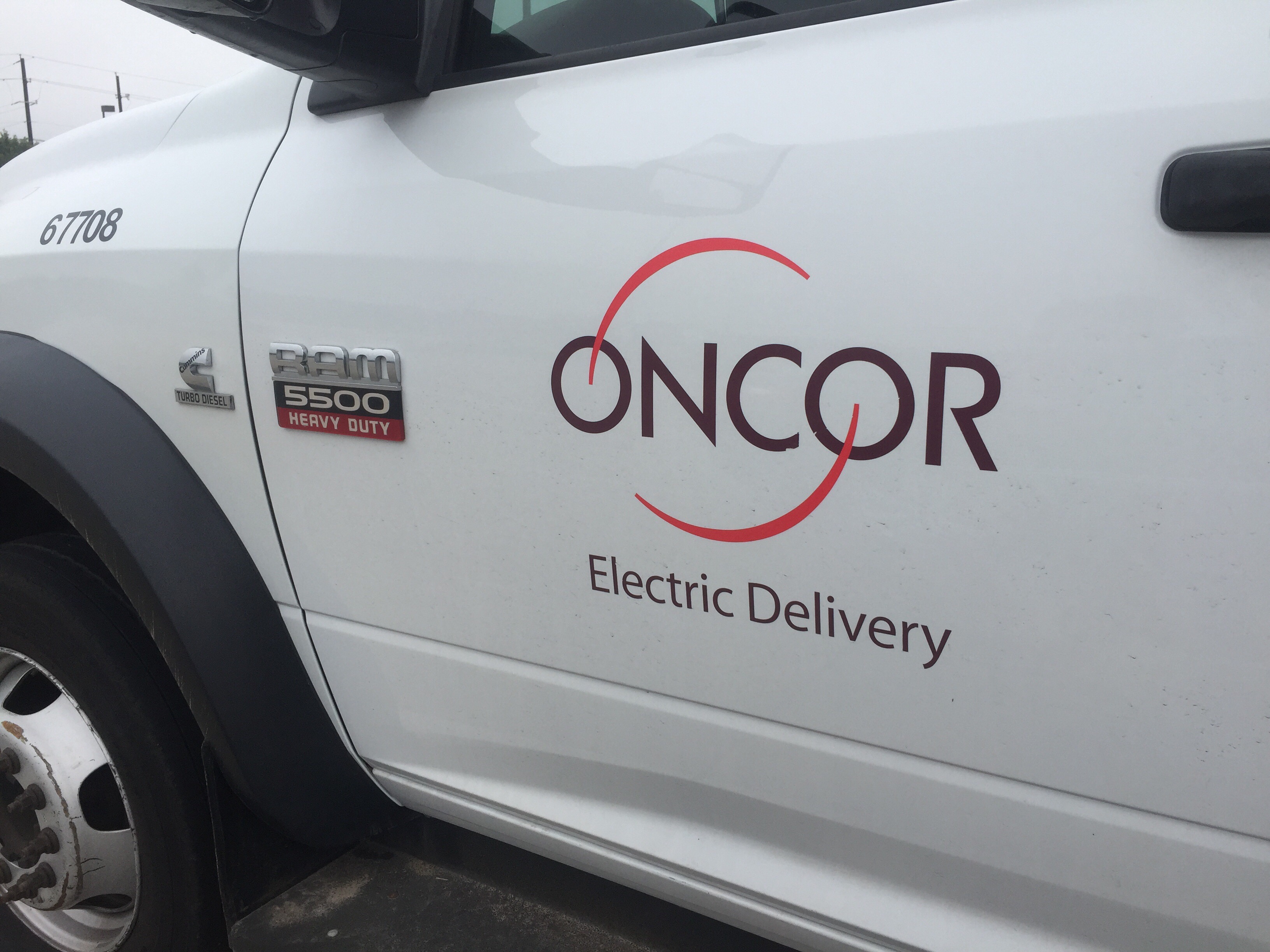
In the world of electricity, Oncor is that crucial delivery crew. They're the folks who own, operate, and maintain all the physical stuff that gets electricity from the power plant to your home. We're talking about the towering transmission lines, the neighborhood poles, the wires running to your house, and even the meter that measures your usage. Your Retail Electric Provider (REP) – the company you choose for your electricity plan, like "Sparky's Super Savings" – is like Mama Mia's. You pay Sparky's, and they, in turn, pay Oncor for the use of their delivery network.
Must Read
Why Can't My Electric Company Just Deliver It Themselves?
Great question! This is where Texas's deregulated electricity market comes into play, and it’s actually pretty neat. Instead of one big company doing everything (generating power, delivering it, and selling it), Texas split things up. This fosters competition among Retail Electric Providers, meaning you get to shop around for the best rates and plans. But for the sake of efficiency and safety, it makes sense for a specialized company like Oncor to manage the complex, expensive infrastructure.
Imagine if every single electricity provider had to build their own set of power poles and wires across Texas. It would be an absolute jungle of wires! Oncor acts as the shared highway for all the different electricity providers, ensuring a robust, reliable system for everyone. They are the backbone, the unsung heroes keeping the lights on, literally!
Breaking Down the Charge: It's Not Just One Thing!
When you see "Oncor Delivery Charge" on your bill, it's usually not a single lump sum. It's actually a collection of smaller charges bundled together, all designed to cover Oncor's operational costs. Think of it like the fees on your phone bill – a line item for texting, another for data, another for calls. Here are the two main types you'll usually see:
1. The Fixed Monthly Charge: This is like a basic subscription fee. You pay it just for being connected to the grid, regardless of how much electricity you use that month. It covers some of Oncor's fixed costs, like maintaining the poles and wires even if your house is empty for a week. It’s a bit like paying a monthly fee for your internet service, even if you only browse a little.
2. The Usage-Based Charge (per kWh): This one varies depending on how much electricity you actually consume. So, the more lights you leave on, the more AC you blast, the more laundry you do, the higher this portion of the charge will be. It's tied directly to your kilowatt-hour (kWh) usage, which is how electricity is measured. This covers the wear and tear on the system from all that power flowing, and the costs associated with moving larger volumes of electricity.
Why Should You Care? (Beyond Just Paying Your Bill)
Okay, so it's a necessary evil, right? But understanding it actually gives you a superpower as a consumer! Here's why you should care:
1. It’s a Big Piece of the Pie: The Oncor Delivery Charge isn't pocket change. It often represents a significant portion of your total electricity bill, sometimes even a third or more! Ignoring it is like buying a ticket to a concert and forgetting about the "convenience fee" and "venue restoration charge" until you see the total. Ouch!
2. It's a "Pass-Through" Charge: Remember, your Retail Electric Provider (Sparky's Super Savings) doesn't profit from this charge. They simply collect it from you and pass it directly on to Oncor. This means when you're comparing electricity plans, the Oncor charges will generally be the same no matter which REP you choose, as long as you're in Oncor's service area. This is a crucial point!
3. Transparency is Key: Some REPs might list the Oncor charges separately on your bill, making it very clear. Others might "bundle" it into their advertised kWh rate, making their rate look higher upfront but potentially simpler. Knowing that these charges exist and are largely fixed helps you compare "apples to apples" when shopping for an electricity plan. Always look at the "all-in" price or the Estimated Average Price per kWh that most REPs are required to show.
4. Keeps the Lights On (Safely!): Ultimately, these charges fund the maintenance, upgrades, and emergency repairs of our electrical grid. When a squirrel decides to chew through a wire (it happens!), or a big storm rolls through, Oncor's crews are out there, rain or shine, making sure we get our power back. These charges ensure they have the resources to do that vital work safely and efficiently.
The Bottom Line: You're a Savvy Consumer Now!
So, the next time you glance at your electricity bill and spot the "Oncor Delivery Charge," you won't be scratching your head. Instead, you'll nod knowingly, perhaps even with a little smile, understanding that it's the cost of getting that invisible, powerful energy from faraway plants right into your toaster, your laptop, and your ceiling fan. It's the price we pay for the incredible convenience and necessity of modern life, delivered right to our doorstep, courtesy of Oncor.