
What Is An Energy Charge On My Electric Bill

Okay, let's talk about something that sparks joy...said no one ever. I'm talking about the electric bill. Specifically, that mysterious energy charge. It's like that uninvited guest who always shows up to the party and eats all the good snacks.
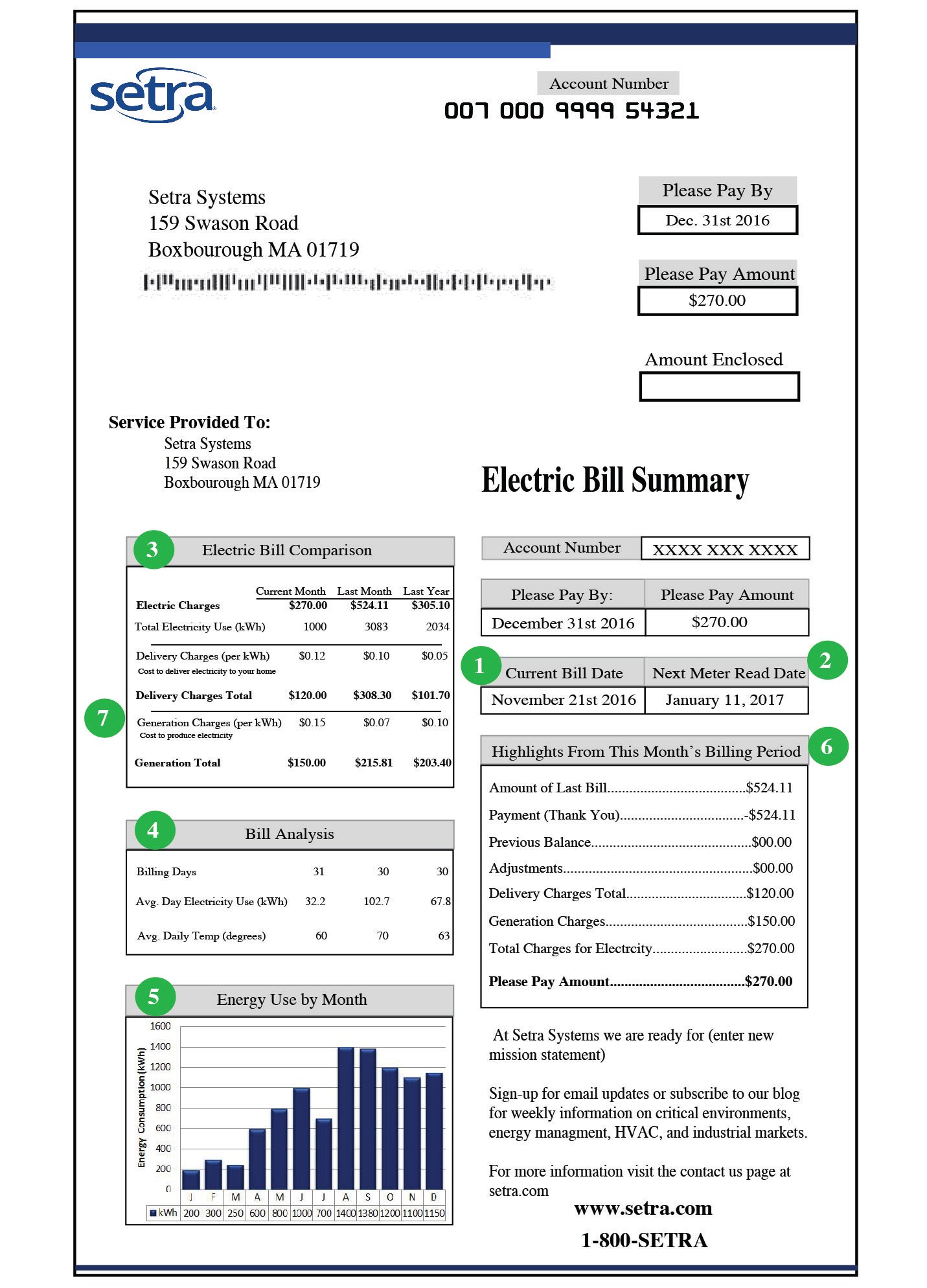
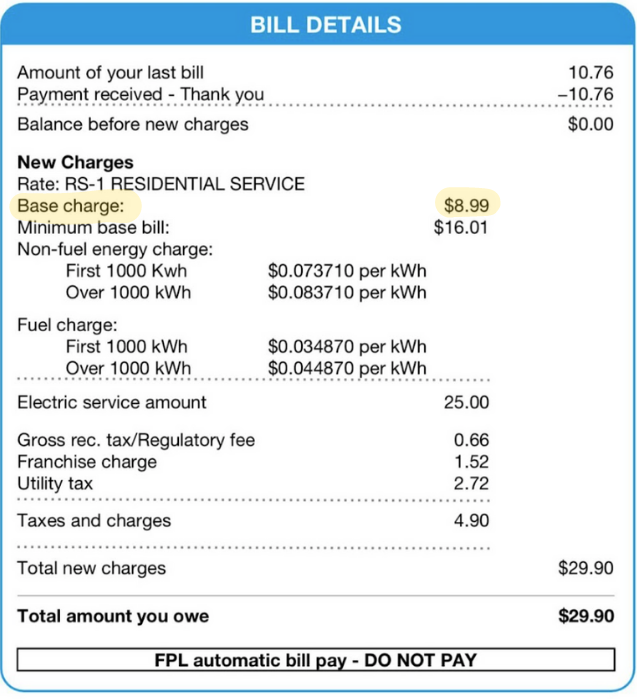
Seriously, what is that thing? You look at your bill and see all these line items. Delivery charges, taxes, the "we-swear-it's-not-a-scam" fee... But then there's the energy charge. It's often the biggest number, the one that makes you gulp your coffee a little too loudly.
The Basic Idea (Kind Of)
Basically, the energy charge is what you pay for actually using electricity. Think of it like buying gasoline for your car. You pay for the amount you pump, right? Electricity is similar. You pay for the amount you consume, measured in kilowatt-hours (kWh). Don't worry about the details of that term too much.
Must Read
Now, the price per kWh can vary wildly. It depends on where you live, the time of year, and whether your neighbor decided to start mining Bitcoin in their basement. Supply and demand, baby!
The "Unpopular" Opinion: It's All Made Up!
Here's where my potentially controversial opinion comes in. I'm not saying it's actually made up. I'm just saying it feels like it sometimes. You try to be responsible. You turn off lights. You unplug chargers. You yell at your kids to stop leaving the TV on for the dog. Yet, somehow, the energy charge remains stubbornly high.

It's like the universe is conspiring against you. As soon as you pat yourself on the back for saving a few kilowatt-hours, BAM! The bill arrives, and the energy charge has mysteriously inflated like a bouncy castle.
Maybe it's the gremlins. Maybe my refrigerator is secretly running a server farm. Maybe I have a parallel universe version of myself who's hosting a rave every night and charging it to my account. Whatever the reason, the energy charge often feels disconnected from my actual electricity use.
Decoding the Mystery (A Little)
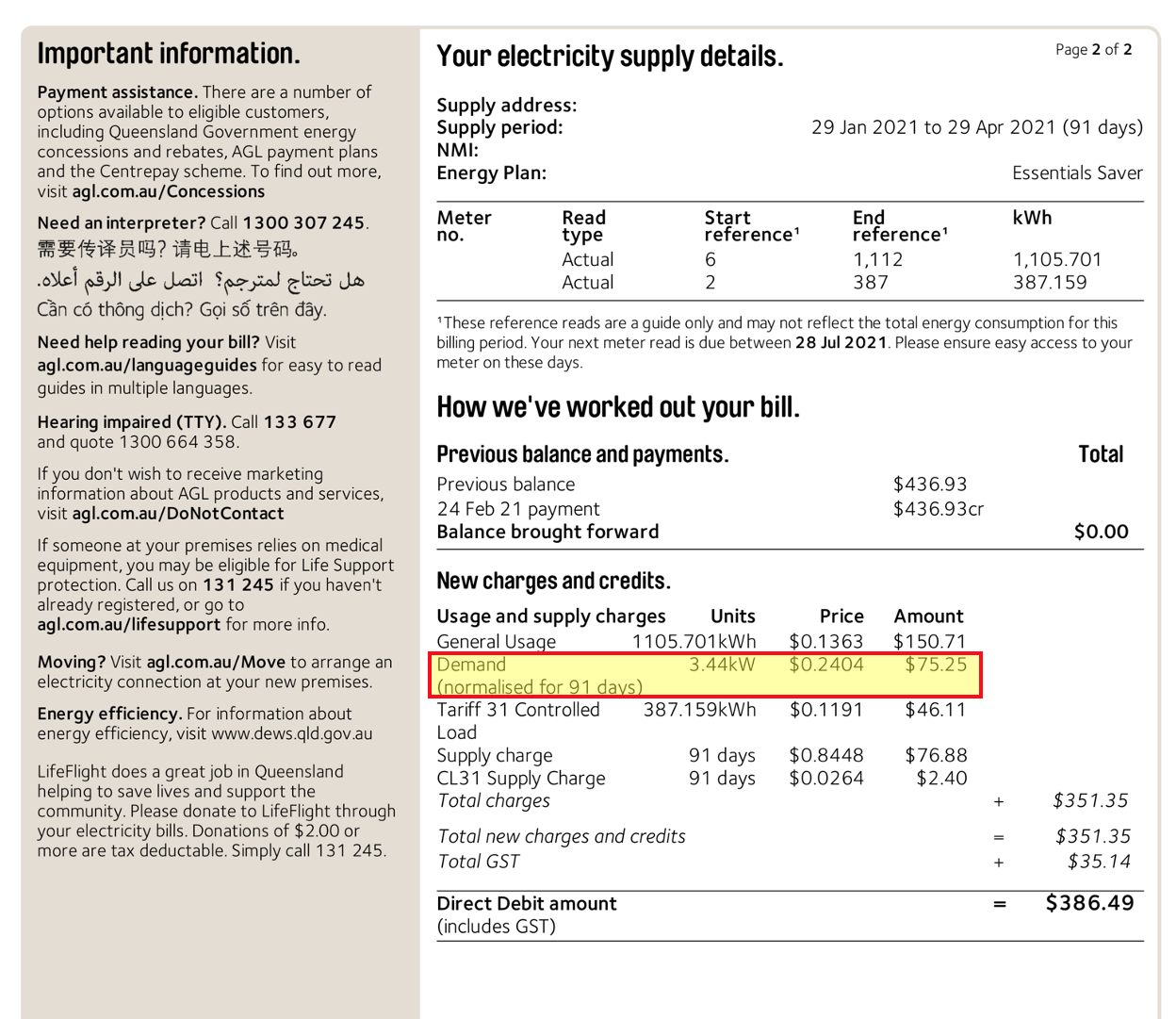
So, how can you at least attempt to understand this beast? First, find your "price per kWh." It should be listed on your bill, often near the energy charge itself. It will look something like "$0.15 per kWh" or some such nonsense. Then, track your usage.
Many electric companies offer online portals where you can see your usage over time. This can be helpful to see when you are using the most energy. Are you blasting the AC all day? Running the dryer on high heat constantly? Using a flux capacitor to travel through time and space (please send me one if you are)?
Knowing when and how you use energy is the first step to controlling it. Or at least understanding why you're paying so much for it. Knowledge is power, even if it's the power to be slightly less confused about your electric bill.
Acceptance (and Maybe Some Action)
In the end, the energy charge is just a fact of life. It's part of the cost of living in a modern society. You can't eliminate it, but you can try to manage it.
Consider energy-efficient appliances. Switch to LED light bulbs. Unplug phantom loads (those devices that suck energy even when they're turned off). And if all else fails, invest in some good blackout curtains and start blaming the gremlins.
Because, let's be honest, sometimes it's just easier to laugh than cry. Now, if you'll excuse me, I'm going to go unplug my toaster. Just in case.
And remember
"There is no such thing as free energy." - Someone smart, probably