What Is An Electrical Brown Out
Ah, the modern world! We live in a symphony of screens, chargers, and constant connectivity, powered by the invisible magic of electricity. We rely on it for everything from our morning coffee to our late-night binges. But every now and then, the rhythm gets a little… wobbly. Enter the electrical brownout – not quite a total blackout, but more like the grid taking a collective, deep breath. While no one plans for a brownout, and it’s certainly not something we’d call an "activity," it's an undeniable part of our electrified existence, and understanding it can turn a moment of mild frustration into a moment of mindful appreciation for the robust system that usually powers our lives without a hitch.
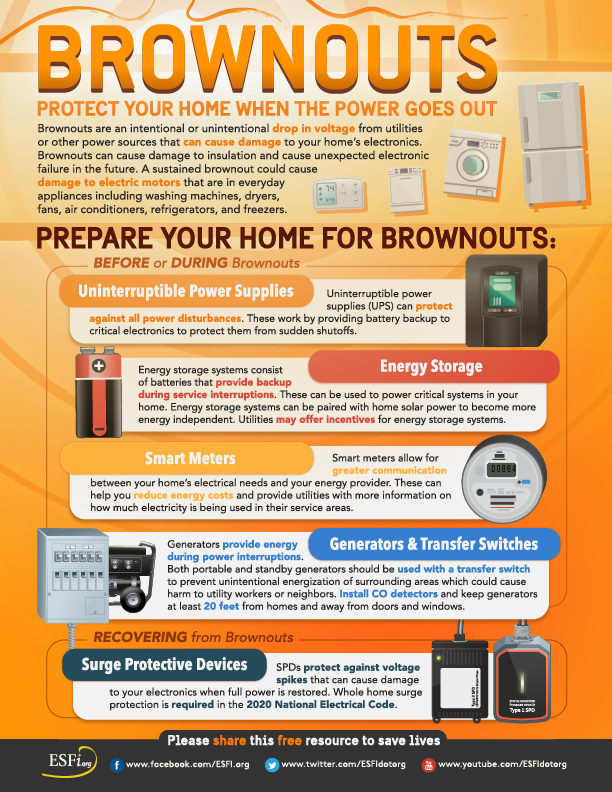
So, what exactly is a brownout, and what purpose does this peculiar phenomenon serve? Imagine your home's electrical system as a highway. During peak times, or when there's an issue up ahead, traffic can slow down. A brownout is essentially the electrical grid doing just that: a deliberate or accidental reduction in voltage. Instead of the usual 120 volts, you might be getting 100 or 110. Its primary purpose is to act as a safety valve. When demand for electricity outstrips supply, or when a major piece of equipment fails, utilities can reduce the voltage across the grid. Why? To prevent a catastrophic total blackout. It’s a bit like taking a deep breath to avoid fainting; the system is trying to relieve stress and stabilize itself. While inconvenient, it's often a calculated move to keep power flowing, albeit at a reduced capacity, and give engineers time to fix the underlying problem before things go completely dark.
You’ve probably experienced a brownout without even realizing it. The most common sign is a noticeable dimming of lights – your incandescent bulbs looking a bit like they've had a long day. Appliances might hum a little differently, or seem to struggle. Your microwave could take longer to heat that popcorn, or your refrigerator might sound like it’s running on fumes. These events are most common during periods of extreme demand, such as sweltering summer days when everyone’s air conditioning is blasting, or frigid winter nights when heaters are working overtime. They can also occur due to faults in the transmission lines, substation issues, or even widespread localized events that put an unexpected strain on the network. It’s the electrical equivalent of an orchestra hitting a slightly flat note, a gentle reminder of the immense unseen forces at play every time you flip a switch.
Must Read
While "enjoying" a brownout might sound like an oxymoron, you can certainly make the most of it and reduce potential hassle. First, if you notice the tell-tale signs, consider unplugging sensitive electronics like computers, TVs, and gaming consoles. Voltage fluctuations can potentially damage these devices, so it's better to err on the side of caution. Second, contribute to the recovery by reducing your own demand: turn off non-essential lights, unplug chargers, and hold off on running energy-intensive appliances like dishwashers or washing machines. Finally, and perhaps most entertainingly, embrace the unexpected pause! It's an opportunity to dust off that board game, read a physical book by natural light, or even step outside and gaze at the stars without light pollution. A brownout can be a strange, forced moment of digital detox, reminding us to appreciate the steady flow of power when it inevitably returns, and to perhaps keep a flashlight handy just in case the grid decides to take a longer nap.