What Is A Safe Carbon Monoxide Reading

Hey there, friend! Let's chat about something super important but often overlooked: carbon monoxide. You know, that sneaky gas that’s the ultimate invisible party crasher? It’s odorless, colorless, and tasteless – basically, it’s a master of disguise, which is why it’s sometimes called the "silent killer." But don’t worry, we’re going to pull back the curtain on this villain and figure out exactly what a safe carbon monoxide reading looks like, all while keeping things light and easy. Think of me as your friendly neighborhood CO whisperer!
First things first, what even is carbon monoxide (CO) and why should we care? Well, it's a gas produced whenever fuels burn – things like natural gas, propane, wood, or even charcoal. In a perfectly ventilated home, it's not usually an issue. But if your furnace is acting up, your car is idling in the garage, or you're using a generator too close to the house (please don't do that!), CO can build up to dangerous levels. And when you breathe it in, it replaces oxygen in your blood, which is, uh, not ideal. It’s like your blood decides it prefers CO and gives oxygen the cold shoulder. Not cool, CO, not cool.
Your Home's Personal Bodyguard: The CO Detector
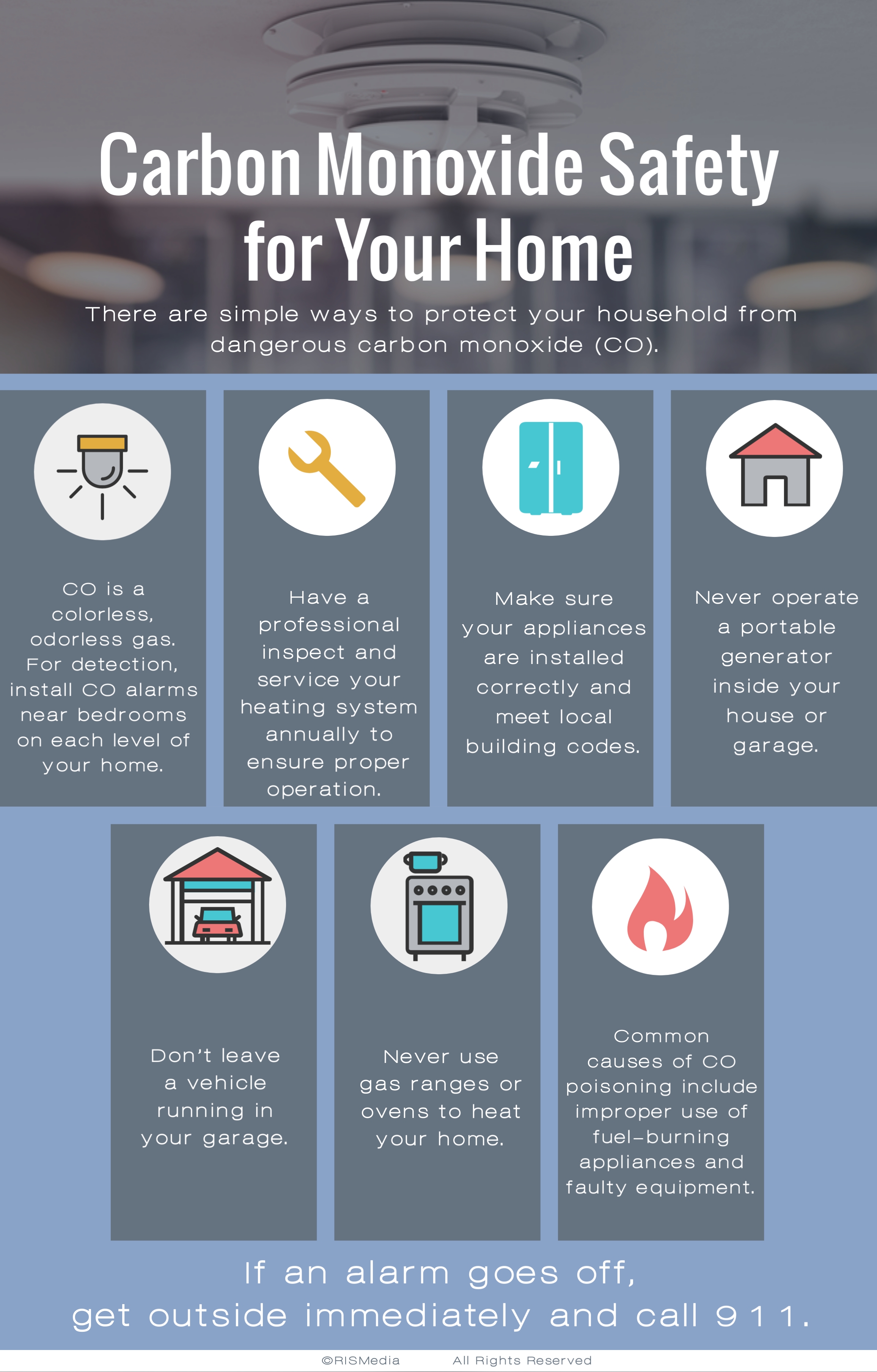
So, how do we fight this invisible foe? With an equally vigilant hero: the carbon monoxide detector! These little gadgets are your home’s personal bodyguard, constantly sniffing the air for CO. Seriously, if you don't have one, or if yours is older than your favorite pair of sweatpants (check the expiration date, seriously!), it’s time for an upgrade. Place them near sleeping areas and on every level of your home, just like smoke detectors. They're like tiny guardians, always on watch.
Must Read
Now, let's get to the nitty-gritty: those numbers! Your CO detector displays readings in PPM, which stands for Parts Per Million. Think of it like a very sensitive spicy meter for your air. The lower the number, the less "spicy" (read: dangerous) your air is.
What Do Those Numbers Mean? Decoding the CO Language
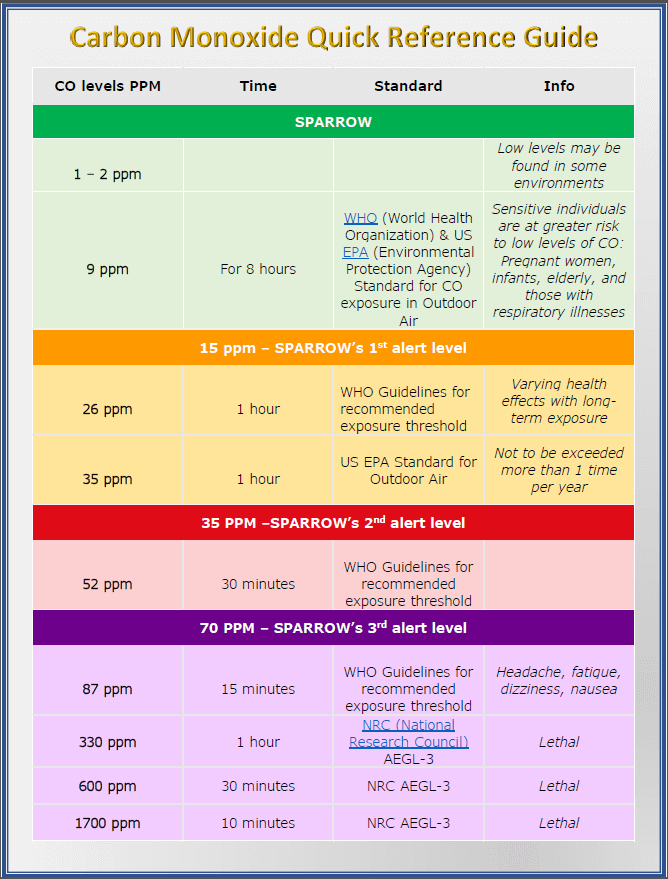
Here’s a quick-and-dirty guide to understanding what your detector is trying to tell you:
-
0 PPM: Ahhh, the Sweet Spot!
This is the absolute best-case scenario. It means your air is clear, healthy, and happy! It's the "all systems go" signal, the equivalent of a big green light. Pop the champagne (metaphorically, of course, unless it’s a celebration)! This is what we’re always aiming for. -
1-9 PPM: Background Buzz – Don't Panic (Yet!)
Small, single-digit readings can sometimes be normal background levels, especially if you live near a busy road or if you just lit a gas stove. It's like hearing a distant hum – not a siren, but enough to make you think, "Hmm, what was that?" Most CO detectors won't even alarm at these super low levels. If you see this, it’s usually not an immediate emergency, but it’s a good nudge to ensure your ventilation is good and everything is running smoothly. A quick check of your furnace filter might not hurt! -
10-35 PPM: Mild Warning – Time for a Little Detective Work!
Okay, now we're getting into levels where some sensitive folks (or pets!) might start feeling a bit off – maybe a slight headache, a touch of nausea, or just feeling unusually tired. This is your detector saying, "Hey, pal, something’s afoot!" At this point, you should definitely start investigating. Don't ignore it! Open some windows, find the source if you can (is a pilot light out? Is your fireplace damper closed?), and if you can't figure it out quickly, it's time to call in a professional. Think of it as a yellow caution light.
A Complete Guide to Understanding Carbon Monoxide -
35-99 PPM: Serious Alert – Get Fresh Air NOW!
At these levels, you’re likely experiencing noticeable symptoms: headaches, dizziness, nausea, and general confusion. It often feels like the flu, but without the fever – a super sneaky disguise! Your detector is now flashing and beeping like crazy. This is not a drill! Immediately get everyone (including pets!) into fresh air outside. Then, call your local fire department or a qualified HVAC technician. They’ll have the right equipment to find the leak and make your home safe again. This is definitely a blinking red light, folks! -
100 PPM and Above: EMERGENCY! Evacuate and Call 911!
When your detector hits triple digits, it's screaming, "DANGER, WILL ROBINSON!" These are extremely dangerous levels, and prolonged exposure can lead to severe health issues, unconsciousness, or worse. If your detector reads 100 PPM or higher, do not hesitate! Evacuate your home immediately, get to fresh air, and call 911 (or your local emergency number). Seriously, don't go back inside for anything. Let the professionals handle it. This is the biggest, brightest red light imaginable, with all the sirens going off!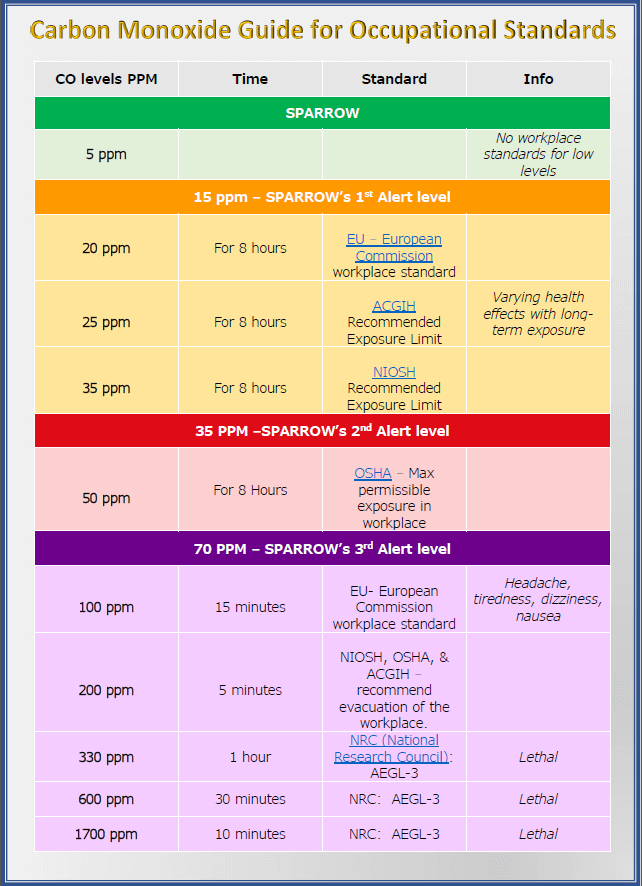
FAQ - SPARROW - CO & Air Quality Monitor
A Quick Note on Symptoms
Remember those "flu-like" symptoms? Headache, dizziness, fatigue, nausea, shortness of breath, confusion? They're super important. If you or anyone in your household starts feeling this way, especially if your CO detector is alarming, treat it seriously. Your body is trying to tell you something’s wrong!
Beyond the Beep: Prevention is Key!
The best way to deal with CO is to prevent it in the first place! Get your heating system, water heater, and any other fuel-burning appliances serviced annually by a qualified technician. Make sure all vents and flues are clear and unobstructed. Never use a gas oven to heat your home. Never run a car or generator in an attached garage, even with the door open. These are simple steps that make a huge difference.
Breathe Easy, Smile Bright!
So there you have it! Understanding what a safe carbon monoxide reading means is a superpower in itself. It’s all about being prepared, having the right tools (your trusty CO detector!), and knowing when to act. You're not just protecting your home; you're safeguarding the ones you love most. By being informed and taking these simple precautions, you can breathe easy, literally! And knowing you've got everything covered? Well, that's just another reason to smile. Stay safe, stay smart, and keep that air clean!