What Is A Reasonable Temperature For A House In Winter
Okay, so picture this: I walked into my friend Sarah's house last week, and it felt like stepping into a tropical rainforest. I swear, I almost started sweating through my winter coat. I even checked to see if she'd secretly installed an indoor pool. (She hadn't. Disappointing, I know.) Turns out, she keeps her thermostat at a balmy 75°F (24°C) all winter long. Seventy-five! I was baffled. Which got me thinking... what is a reasonable temperature for a house in the winter? Is Sarah living in some alternate reality where heating bills don't exist?
Spoiler alert: They do. And Sarah's probably paying a small fortune. Which brings us to the big question: what's the sweet spot between comfort and cost-effectiveness? Let's dive in!
The Goldilocks Zone of Winter Temperatures
There's no one-size-fits-all answer, unfortunately. But generally, most experts recommend aiming for a temperature between 68°F and 72°F (20°C and 22°C) when you're home and awake. This range provides a good balance of comfort and energy savings.
Must Read
Think about it: your body generates heat just by being alive and moving around. Plus you're probably wearing clothes! So cranking the thermostat up to beach weather indoors is usually overkill. And, let's be honest, a bit of a waste of money.
Saving Money While You Sleep (and While You're Out!)
This is where the magic happens. When you're asleep or away from home, you can significantly reduce your heating costs by lowering the thermostat. The U.S. Department of Energy recommends setting it back 7°F to 10°F (4°C to 6°C) for eight hours or more per day.
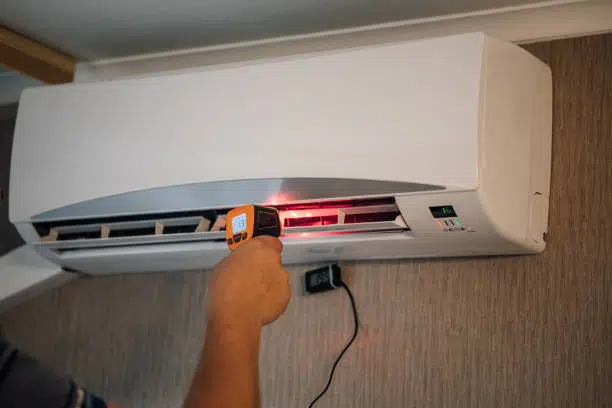
Now, I know what you're thinking: "But won't it be freezing?!" It might be a little chilly at first, but trust me, you'll adjust. Especially if you have a cozy blanket or a warm comforter. Besides, you're asleep! You won't even notice. Think of the money you'll save – and maybe treat yourself to something fun with the extra cash. (Like, say, a small indoor pool... Okay, maybe not.)
Seriously though, lowering the thermostat even a few degrees can make a noticeable difference on your energy bill. You could even get a programmable thermostat (or a smart thermostat) to automate the process. They're super convenient and can pay for themselves in energy savings over time. Trust me, it's worth looking into!

Factors That Influence Your Ideal Temperature
Of course, your ideal temperature will depend on a few factors:
- Your personal preferences: Some people are naturally more sensitive to cold than others. If you're always cold, you might prefer a slightly higher temperature. No judgment!
- Your home's insulation: A well-insulated home will retain heat better and allow you to set the thermostat lower without feeling uncomfortable. If your house is drafty, you might need to compensate by turning up the heat. (But seriously, look into improving your insulation – it's a long-term investment!)
- Your activity level: If you're working out at home, you might want to lower the thermostat a bit. Conversely, if you're sitting still all day, you might need to turn it up a notch.
- The weather outside: On especially cold days, you might need to adjust the thermostat accordingly. But try to avoid overreacting – a few extra layers of clothing can go a long way!
Don't Forget the Little Things
Beyond adjusting the thermostat, there are other simple things you can do to stay warm and save energy in the winter:
- Seal up drafts: Use weather stripping and caulk to seal any gaps around windows and doors.
- Close curtains and blinds at night: This will help to insulate your windows and prevent heat from escaping.
- Use a space heater: If you only need to heat one room, a space heater can be more efficient than heating the entire house. Just be sure to use it safely and never leave it unattended!
- Wear layers: Dress warmly indoors to avoid constantly adjusting the thermostat.
Ultimately, finding the right temperature for your home in the winter is a matter of balance. Experiment with different settings and see what works best for you and your budget. And hey, maybe gently suggest to Sarah that she invest in a nice sweater. Just a thought!