
What Is A Multiprocess Welder
Picture this: You’re in your garage, a mischievous glint in your eye, ready to conquer a metal-related project. Maybe it’s a wobbly garden gate that looks like it’s had too much to drink, or perhaps you’re finally building that epic metal sculpture of a squirrel riding a unicycle. Whatever your metallic masterpiece, you know you need to stick some metal together. But here's the rub: you've heard about MIG, TIG, and Stick welding, and suddenly your brain feels like it’s trying to juggle three flaming chainsaws.
Do you need three separate, hulking machines, each with its own quirks and demands? Will your garage become a graveyard of specialized equipment, leaving no room for your actual car (or, more importantly, your collection of antique rubber ducks)? Fear not, my friend, because the welding gods (or, more accurately, some very clever engineers) heard your cries of spatial and financial anguish. And in a glorious flash of electric arc, they brought forth the multiprocess welder.
So, What Is This Magical Beast?
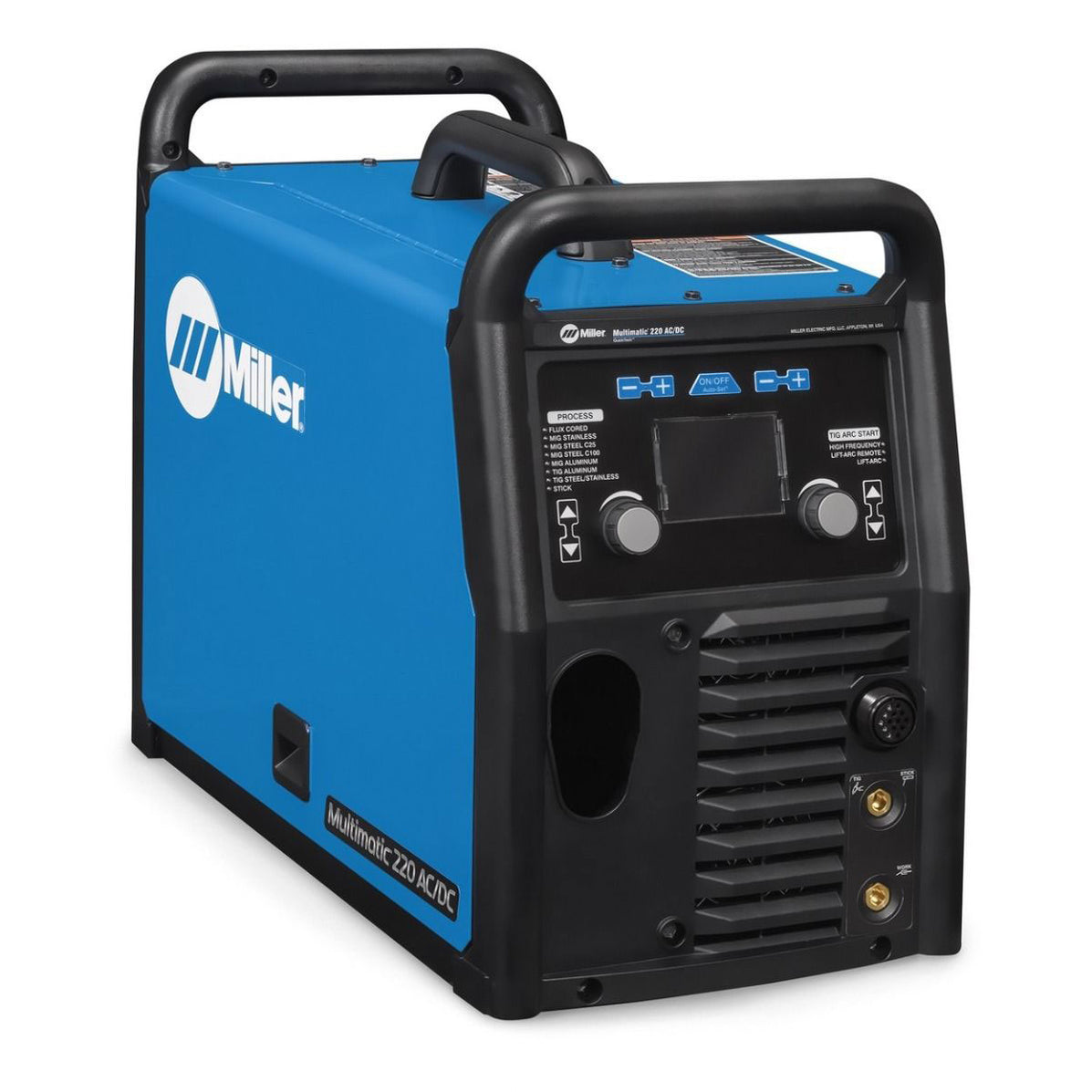
Alright, let’s peel back the curtain on this unsung hero of the workshop. A multiprocess welder is essentially the Swiss Army knife of the welding world. Instead of buying individual machines for different welding processes – which can take up more space than a small car and cost more than a tropical vacation – you get one glorious box of technological wizardry that can perform several of them. It's like having a chef who can whip up gourmet French cuisine, authentic Mexican tacos, and a good old American burger, all from the same kitchen. Talk about versatility!
Must Read
Most commonly, these magnificent machines combine the powers of three main welding processes: MIG (Gas Metal Arc Welding), TIG (Gas Tungsten Arc Welding), and Stick (Shielded Metal Arc Welding). Imagine a superhero team, but instead of capes and spandex, they wear welding helmets and emit sparks.
Meet the Fantastic Three (Processes, That Is):
Let's briefly introduce the stars of our show, shall we? Each one is brilliant in its own right, like different personalities in a sitcom:
1. MIG Welding: The "Easy Button" of Metal Joining

Think of MIG as the friendly, approachable golden retriever of welding. It’s often the go-to for beginners because it's relatively easy to learn and incredibly fast. You get a continuous wire feed, a shielding gas, and a trigger, much like a glorified hot glue gun – but for metal. It's fantastic for thinner materials, automotive work, and production environments where speed is king. If you want to put things together quickly and relatively neatly, MIG is your best buddy.
2. TIG Welding: The Precision Artist with a Laser Focus
Now, TIG is the sophisticated, slightly high-maintenance cat of the welding family. This process uses a non-consumable tungsten electrode and a separate filler rod, requiring both hands (and sometimes a foot pedal!) to operate. It’s like painting with a laser beam, producing incredibly clean, precise, and beautiful welds, often described as "stacks of dimes." TIG is ideal for intricate work, exotic metals like aluminum and stainless steel, and situations where aesthetics are paramount. Mastering TIG takes practice, patience, and the dexterity of a concert pianist, but the results are pure artistry.

3. Stick Welding: The Grumpy Old Workhorse That Gets It Done
And then there's Stick welding, the grizzled, reliable grandpa who's seen it all. This is the oldest and arguably most robust welding process. It uses a consumable electrode coated in flux, which creates its own shielding gas as it burns. Stick welders are tough, portable, and amazing for outdoor work, dirty metal, or thicker materials where looks aren't the top priority. If you need to fix a rusty fence post in a blizzard, Stick will grunt, complain, and then absolutely nail it. It's the resilient survivor of the welding world.
Why Is the Multiprocess Welder So Awesome?
Okay, so we know what it is and what it does. But why should you care? Why is this metal-joining transformer robot worth your attention?

1. Declutter Your Life (and Garage): Instead of three separate machines, each demanding its own corner, cables, and emotional support, you have one compact unit. Your garage will thank you. Your partner will thank you. Your rubber duck collection will have more shelf space.
2. Save Your Pennies (and Pesos, and Euros): Buying three individual, high-quality welders can quickly make your wallet weep. A good multiprocess machine often costs significantly less than purchasing each type separately. It’s like getting a buy-two-get-one-free deal, but for heavy machinery!
3. Learn and Grow: For hobbyists or those just starting, a multiprocess welder is a fantastic way to experiment with different techniques without committing to a single one. You can start with easy MIG, dabble in Stick, and then bravely venture into the delicate world of TIG. It’s a choose-your-own-adventure for metal fabricators.
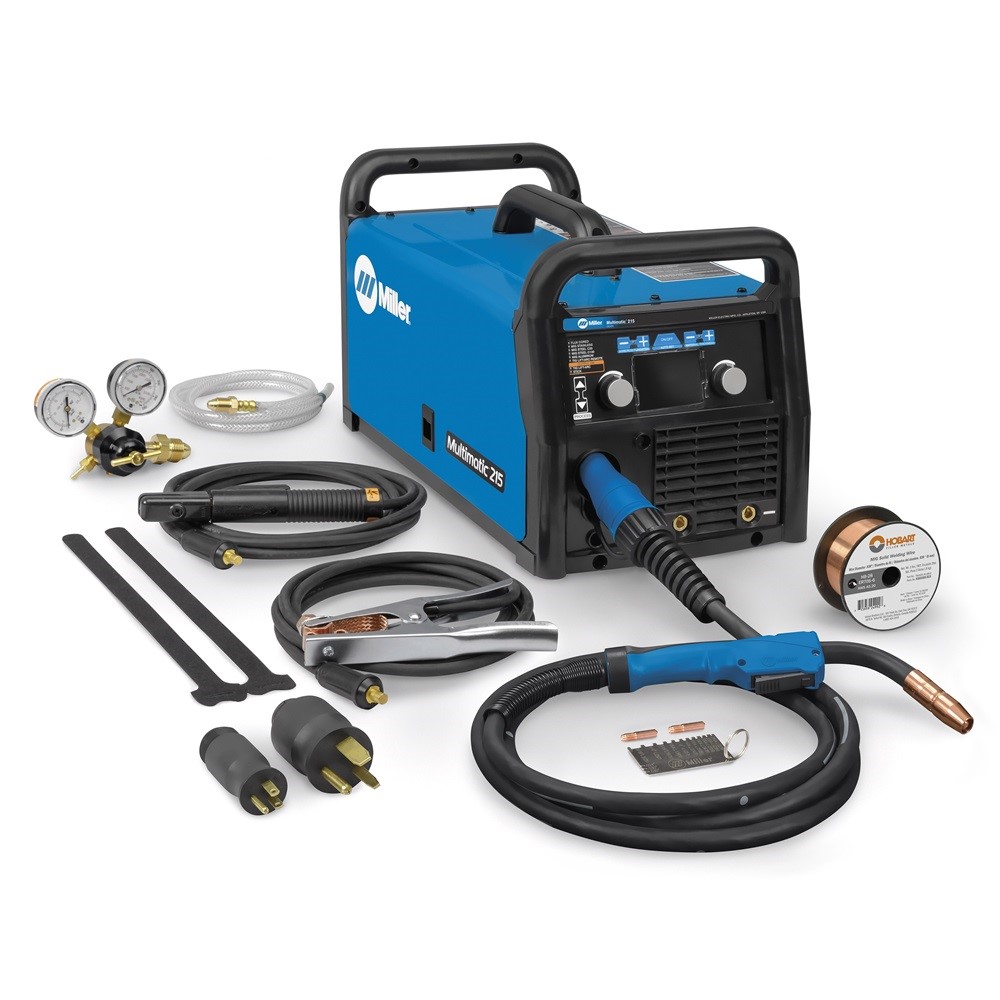
4. Unmatched Versatility on the Job: Imagine you're building a trailer. You might use Stick for the heavy frame, MIG for the deck, and TIG for some finer aluminum trim. With a multiprocess machine, you just swap out your torch and settings – no wrestling with multiple power cords or lugging around different units. It’s the ultimate in job-site flexibility.
5. Portability: Many multiprocess welders are designed to be surprisingly portable. While they're not going in your fanny pack, they're certainly easier to move around than three separate, often heavier, machines.
Who Needs One?
Essentially, anyone who deals with metal and wants options! This includes:
- The DIY Warrior: Fixing the garden gate one day, building a custom fire pit the next.
- The Aspiring Artist: From chunky sculptures to delicate metal flowers.
- The Small Shop Owner: Maximizing space and budget without sacrificing capabilities.
- The Professional Who Needs Flexibility: On-site repairs that demand switching processes.
So, the next time you find yourself staring down a pile of metal, wondering how on earth you're going to stick it all together, remember the multiprocess welder. It's not just a machine; it's an investment in versatility, efficiency, and perhaps, a slightly less cluttered garage. Go forth, spark master, and weld with the power of many!