What Is A Kwh In Electricity
Ever looked at your electricity bill and seen a string of numbers followed by "kWh"? You’re not alone if your first thought was, "What on earth is that?" It might seem like a dry, technical term, but understanding the humble kilowatt-hour is actually quite fascinating and incredibly useful. It's the secret language of your home's energy consumption, and once you get the hang of it, you’ll unlock a whole new level of control over your power usage and, yes, even your wallet!
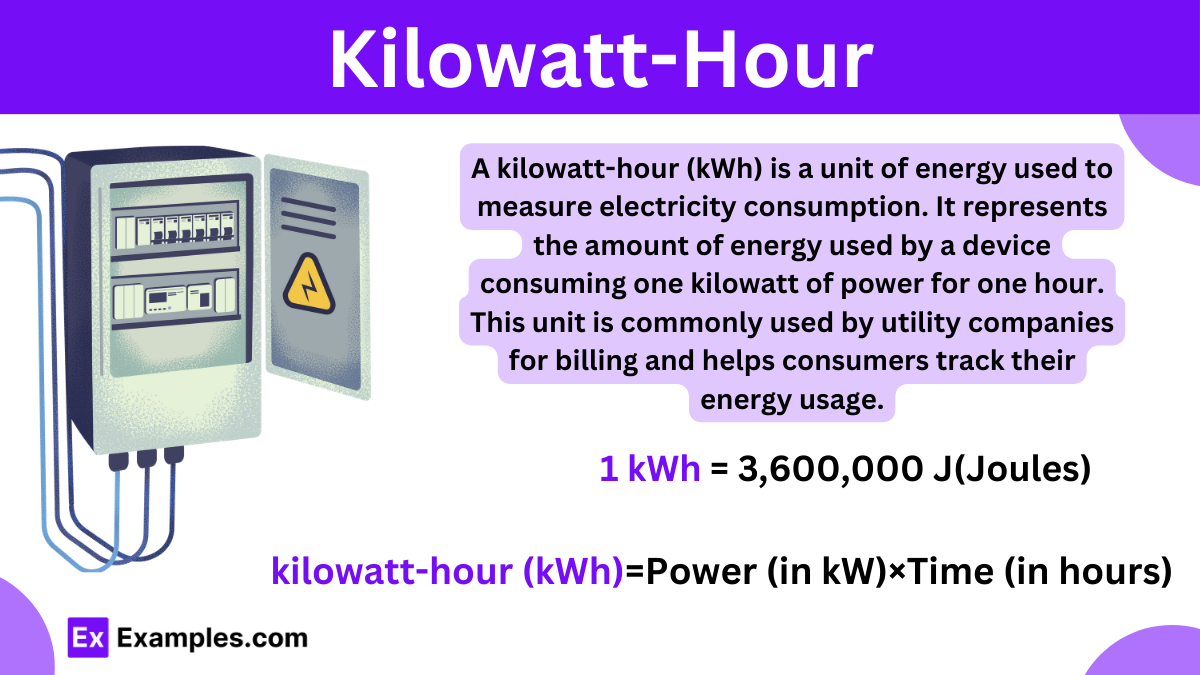
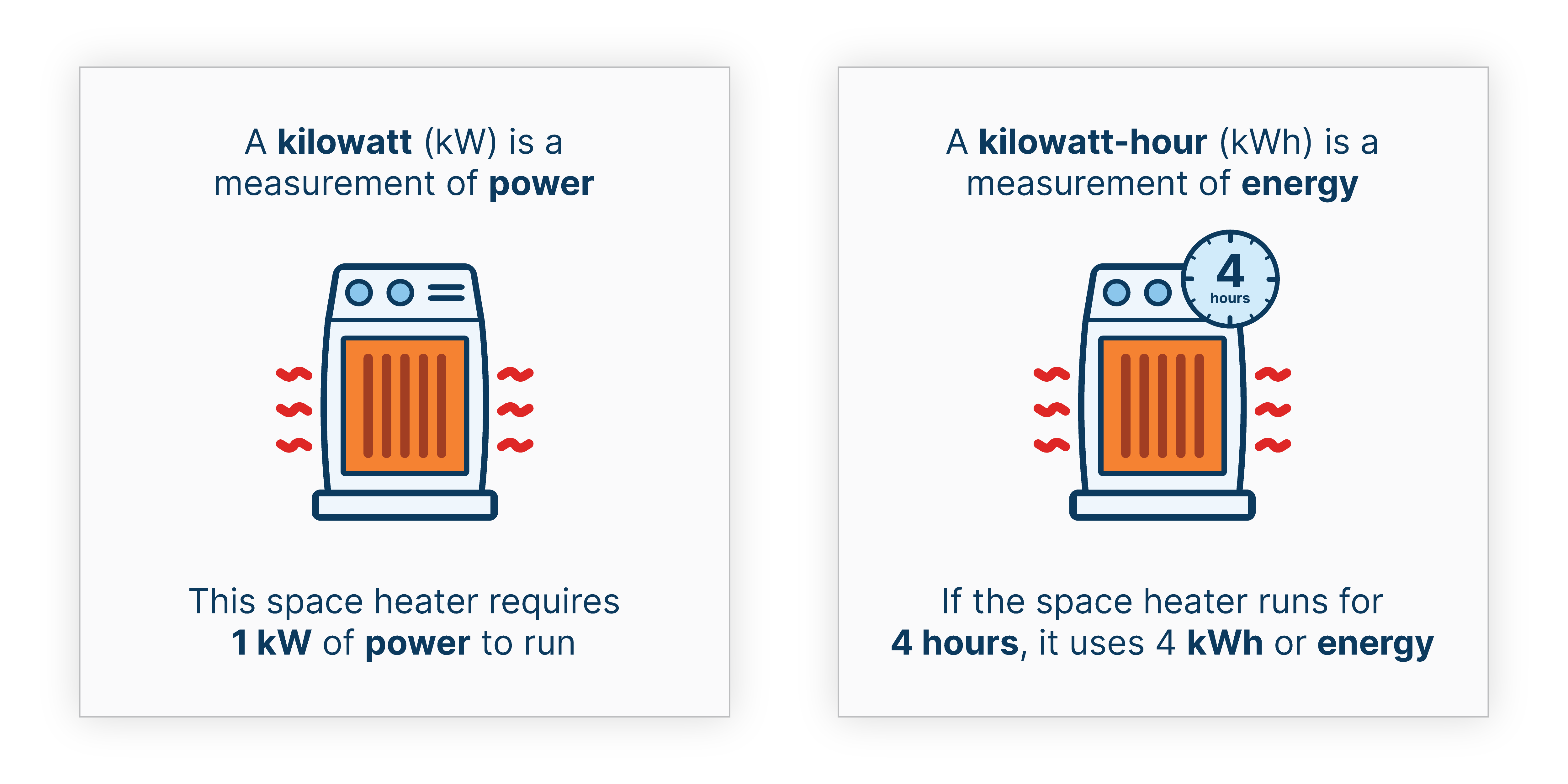
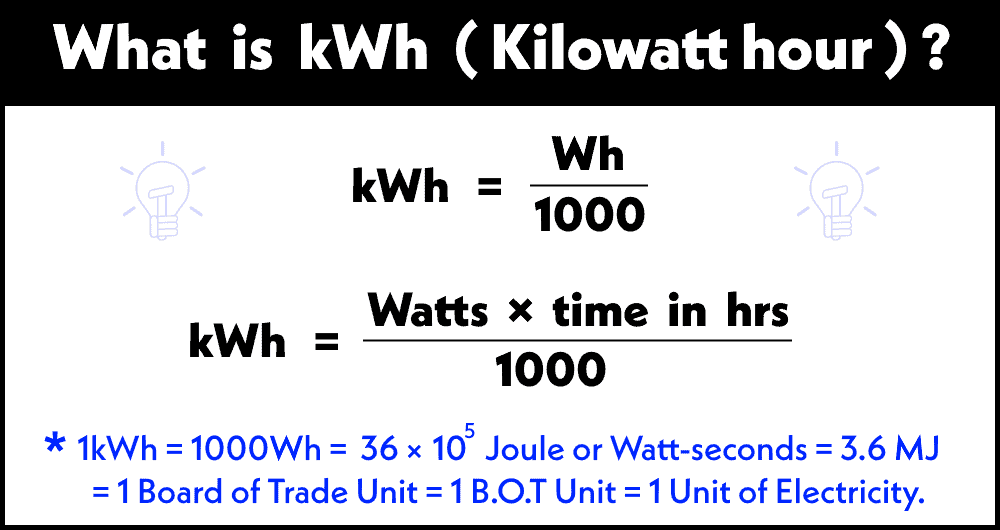
So, what exactly is a kWh? Think of it this way: a kilowatt (kW) is a measure of power – how much electricity an appliance needs to run right now. It's like the speed of your car. A kilowatt-hour (kWh), on the other hand, is a measure of energy – how much electricity an appliance uses over a certain period of time. This is like the distance your car travels. So, 1 kWh means you've used 1,000 watts of power for one full hour. It's the standard unit that utility companies use to charge you, because it accurately reflects not just how powerful your gadgets are, but for how long you actually use them.
The main purpose and benefit of the kWh is clear: it helps us quantify something invisible and abstract – electricity. Without it, how would you know if leaving your porch light on all night costs more than running your washing machine? Understanding this little unit empowers you to make informed decisions. It’s not just about saving money (though that's a big plus!); it's also about being more environmentally conscious. Knowing your kWh usage can motivate you to reduce your carbon footprint by simply being more mindful of energy waste.
Must Read
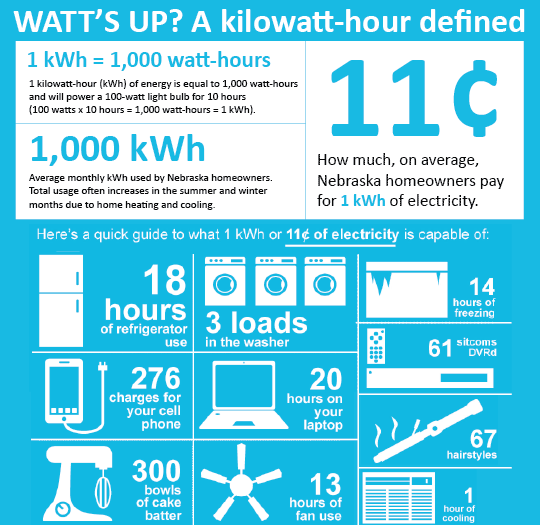
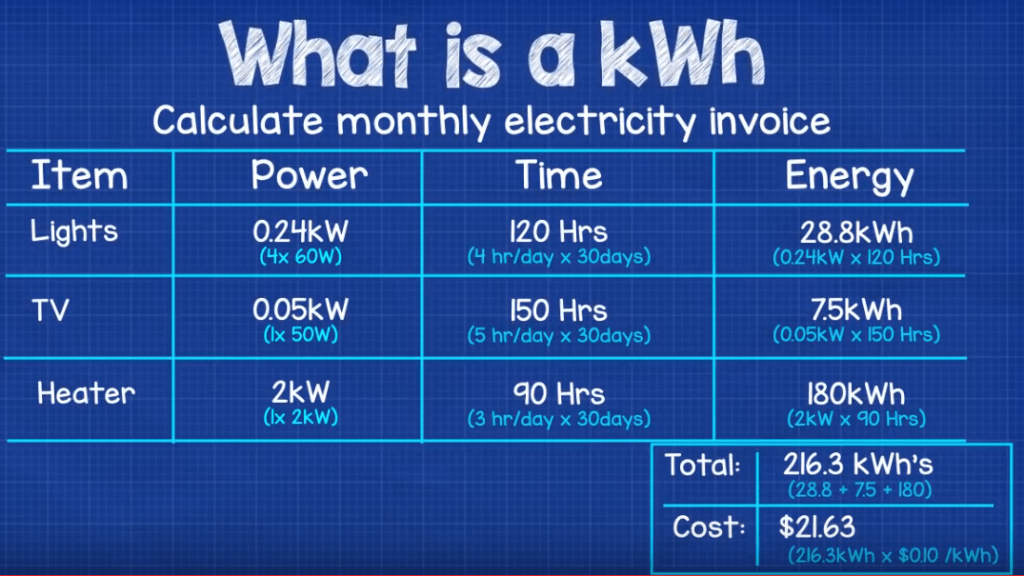
Let's make this tangible with a couple of examples from daily life. Imagine you have an old-fashioned 100-watt incandescent light bulb. If you leave that bulb on for 10 hours, you've used 1,000 watt-hours, which equals 1 kWh. Ta-da! Or consider a powerful hair dryer rated at 1500 watts (1.5 kW). If you use it for just 20 minutes (which is 1/3 of an hour), you've used 1.5 kW * (1/3 hr) = 0.5 kWh. See? Once you know an appliance's wattage and how long you use it, you can estimate its energy consumption. In education, science students might calculate the kWh output of a small wind turbine, or learn how many kWh a typical household uses per month to understand energy conservation principles.
Want to explore kWh in a practical way? It’s surprisingly simple! First, take a peek at your electricity bill – it will clearly state your total kWh usage for the billing period. Next, grab an appliance (like a toaster or a TV) and look at its label; you'll often find its wattage listed there. Then, you can estimate its kWh consumption. For a deeper dive, consider investing in an affordable "Kill A Watt" meter. You plug it into an outlet, then plug your appliance into it, and it will precisely tell you how many watts (and eventually kWh) that appliance is drawing in real-time. It's a fantastic way to identify energy hogs in your home! You might be surprised to learn how much power your gaming console uses on standby, or how little your LED lamps consume. By playing around with these numbers, you can easily calculate the cost of running different appliances and start making smart choices that benefit both your budget and the planet. Happy exploring!