
What Is A Grounding Mat Made Of
Okay, so picture this: me, sprawled on my couch after a particularly brutal day of, you know, existing in the 21st century. My brain was buzzing like a faulty refrigerator, my shoulders were permanently shrugged up to my ears, and I was pretty sure I could feel the electricity crackling off my fingertips. Then, my super-crunchy, yoga-instructor friend suggests I try… a grounding mat. I snorted. "Seriously? Like, just stand on a mat and magically become one with Mother Earth?" (Spoiler alert: I was slightly wrong).
But it got me thinking. What is a grounding mat, anyway? And what on earth (pun intended!) are they made of? It's not like someone's just gone and woven a bunch of hemp and crystals together, right? (Although, wouldn't that be something?)
The Basic Ingredients: Conductivity is Key
The whole idea behind grounding (or earthing, as some people call it) is to connect you to the Earth's natural electrical charge. To do that, the mat needs to be conductive. Think of it like this: you need a good Wi-Fi signal to stream cat videos, right? Same principle. You need a good conductive material to let the Earth's electrons flow to you.
Must Read
So, the most common material you'll find in grounding mats is carbon-infused rubber or polyurethane. Yeah, I know, sounds super sci-fi, doesn't it? But really, it just means that carbon particles, which are excellent conductors, are mixed into the mat's material. This gives the mat the ability to transmit those sweet, sweet electrons.
Side note: You might also see mats made with silver fibers or threads. Silver is an even better conductor than carbon, so these mats are often considered to be a bit more premium (and pricier!). Think of it as the difference between dial-up internet and fiber optic. (Okay, maybe that's a slight exaggeration, but you get the idea.)
The Comfort Factor: What You Actually Touch
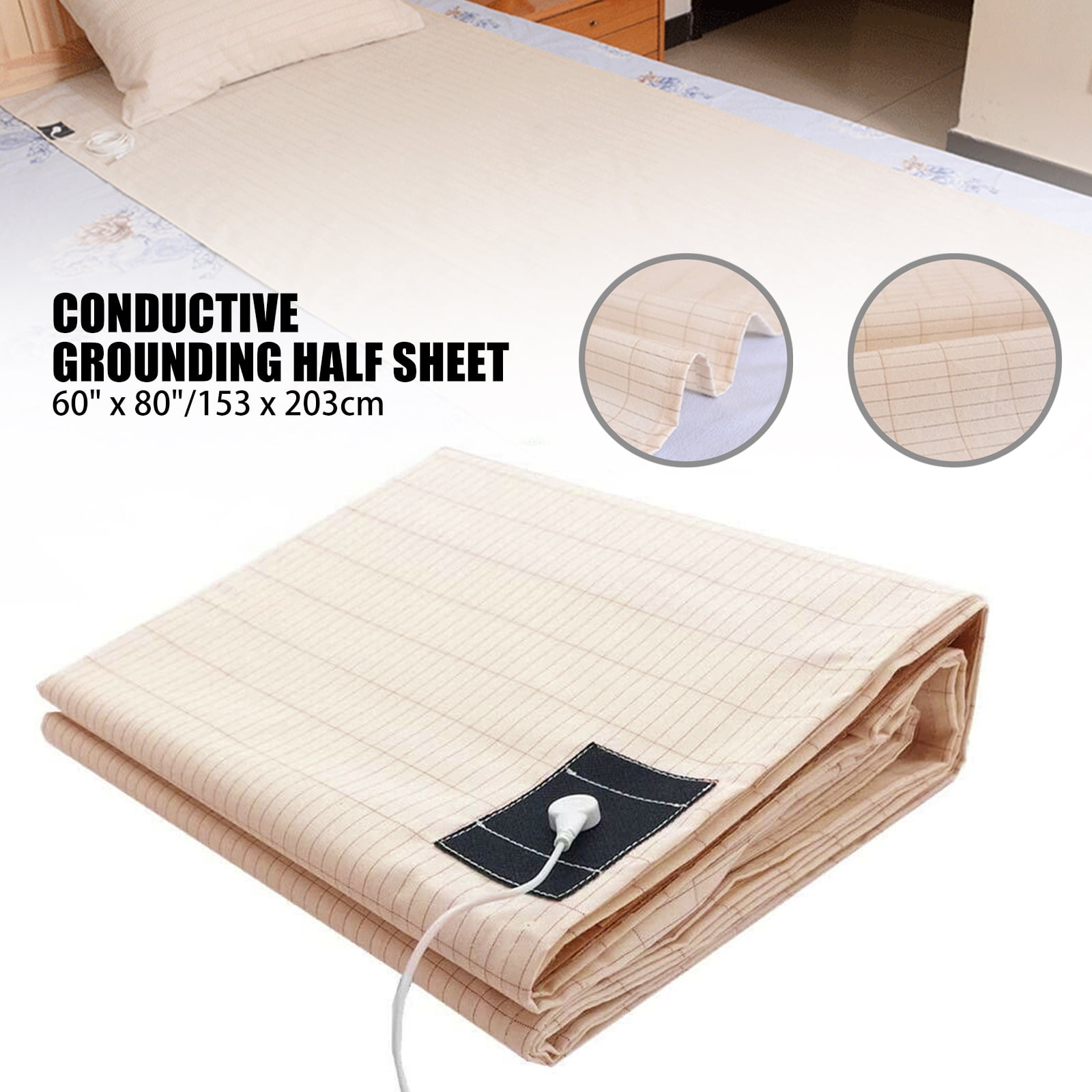
Now, while conductivity is essential, nobody wants to lie on a scratchy, uncomfortable surface. That’s where the top layer comes in. Usually, this is made of a soft, comfortable material like:
- Cotton: Natural, breathable, and generally feels nice against the skin.
- Polyester or Microfiber: Often used for durability and ease of cleaning. (Let's be honest, who has time to hand-wash a mat?)
- A blend of both: The best of both worlds! You get the comfort of cotton with the durability of synthetic fibers.
The exact material will vary depending on the brand and the intended use of the mat. Some are designed for sleeping on, others for sitting at your desk, and still others for placing your bare feet on while you binge-watch your favorite show. (No judgment here!)
Connecting to the Earth (Literally)
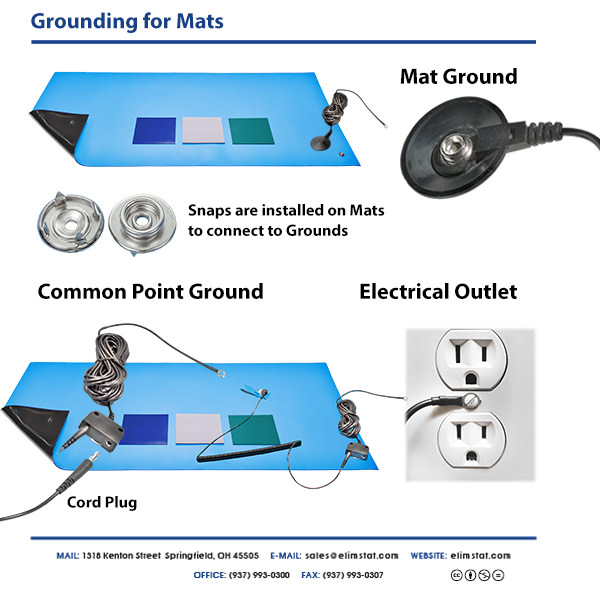
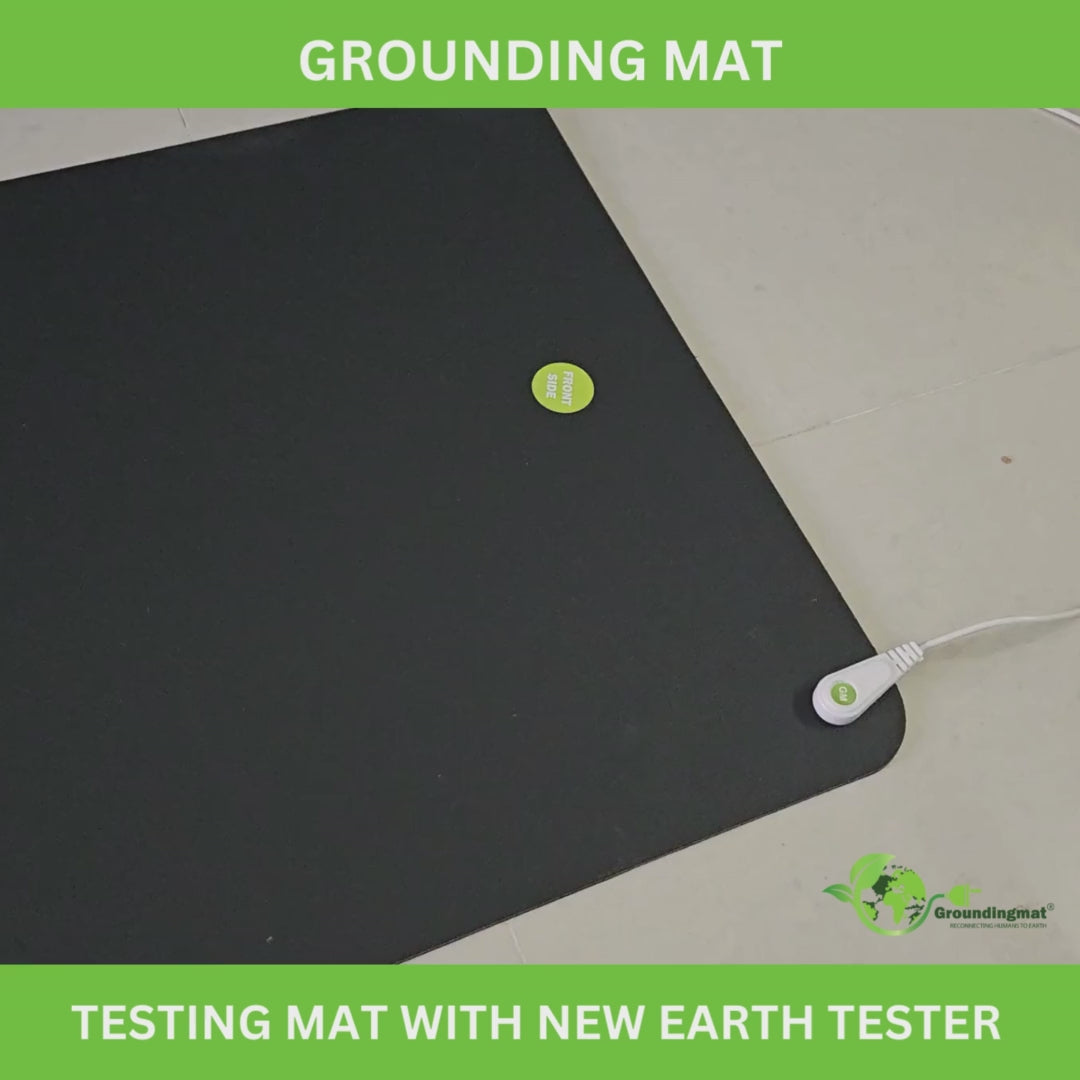
Here's the crucial part: the grounding mat needs to be connected to the Earth in some way. This is usually done with a cord that plugs into the ground port of a standard electrical outlet. Now, before you panic, this doesn't mean you're plugging the mat into electricity! The ground port is purely for connecting to the Earth's grounding system. It's like a secret back door directly to the planet.
Sometimes, you can also ground the mat using a grounding rod inserted into the earth outside your home. But let's be real, that's a bit much for most of us. (Unless you're already planning on building a Faraday cage in your backyard, in which case, go for it!)

Important Considerations: Not All Mats Are Created Equal
Just like with anything else, the quality of grounding mats can vary wildly. Here are a few things to keep in mind:
- Conductivity: Make sure the mat is made with a conductive material and has a reliable way to connect to the ground.
- Safety: Look for mats that have been tested for safety and don't pose any electrical hazards. (You definitely don't want to accidentally electrocute yourself while trying to relax.)
- Materials: Choose materials that are comfortable and non-toxic. If you have sensitive skin, look for mats made with natural fibers.
- Reviews: Read reviews from other users to see what they think of the mat's effectiveness and durability.
So, there you have it! A (hopefully) not-too-boring explanation of what grounding mats are made of. Now, whether or not they actually work is a whole other can of worms (or should I say, earthworms?). But hey, if nothing else, they're a comfy place to put your feet while you contemplate the mysteries of the universe. Or, you know, scroll through TikTok. Either way, you're closer to the Earth than you were before!
