
What Is A Good Temperature For Heater In Winter
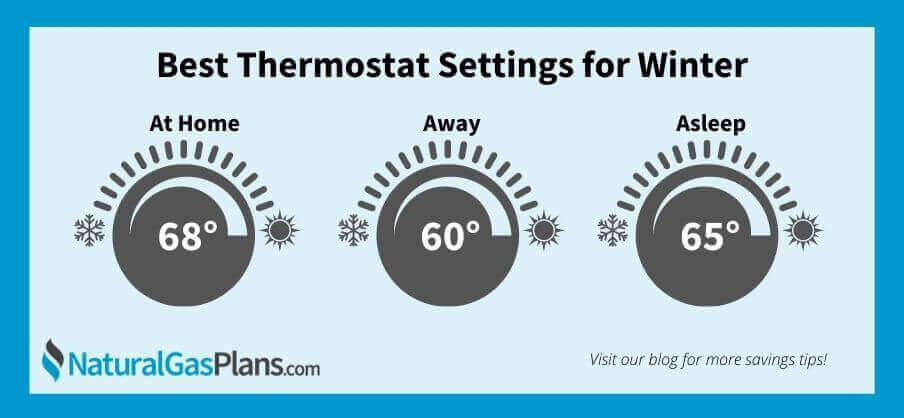
Okay, so winter's here. Brrr! Let's talk heaters, shall we? Specifically, what's a good temperature? Because honestly, cranking it up to "surface of the sun" isn't the answer.
The Goldilocks Zone: Not Too Hot, Not Too Cold
Think of your thermostat like porridge. Too hot? Ouch. Too cold? Shiver me timbers! You want it just right. But what is "just right?"
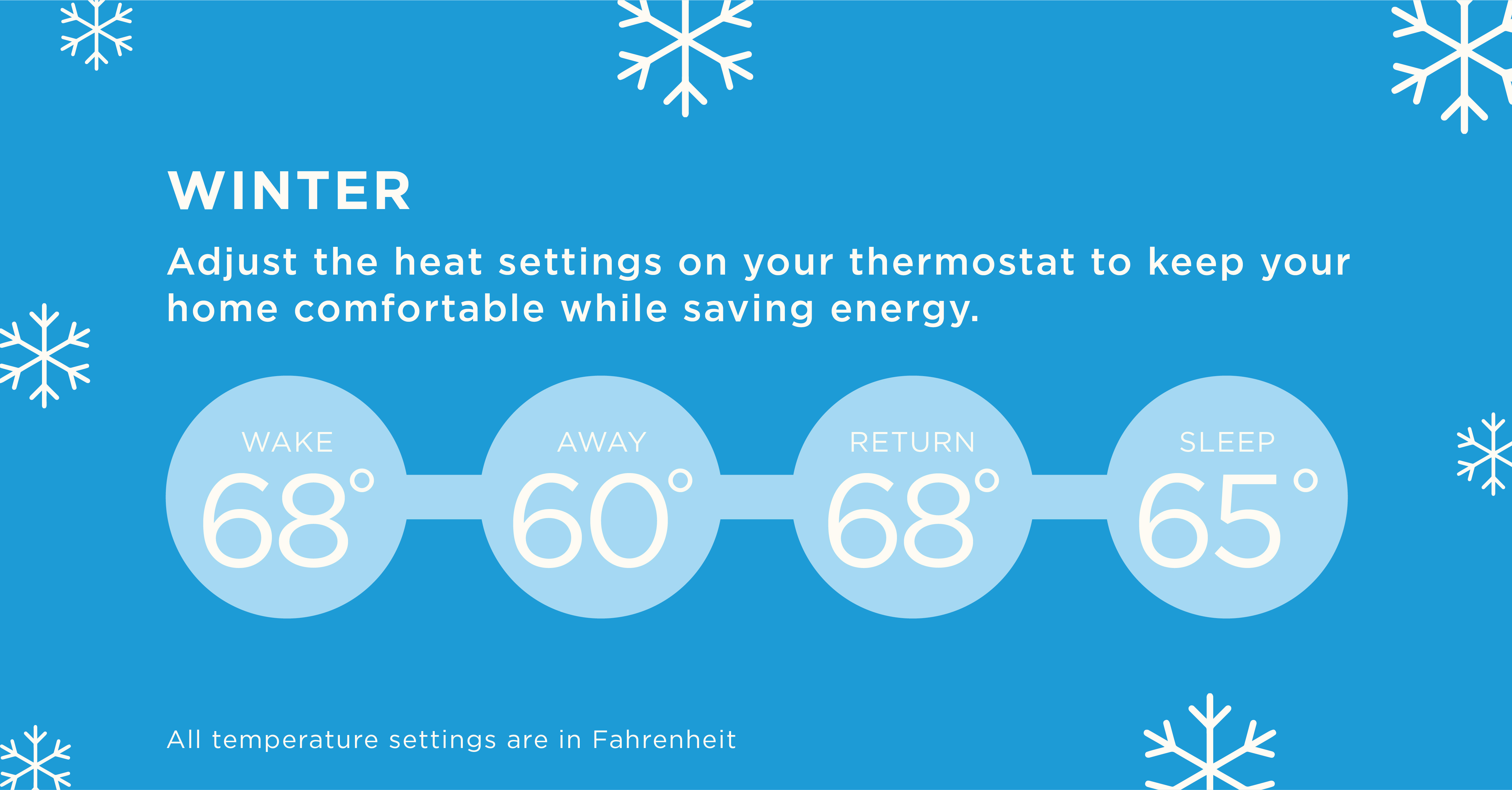
Generally, most experts suggest around 68-72°F (20-22°C) when you're home. Yep, that's the sweet spot.
Must Read
Why this range? Well, it's comfy. You can still wear a cozy sweater without sweating buckets. Plus, it's kinder to your wallet! More on that later.
Did you know some people claim a slightly cooler temperature actually helps you sleep better? Apparently, a slightly chilly room signals to your body it's time to rest. Who knew?
Sleepy Time Temps: Drift Off to Dreamland
Speaking of sleep, dialing it down a notch at night is a brilliant idea. Aim for 60-67°F (16-19°C) while you're catching Z's.
Think of it as creating your own personal hibernation zone. Embrace your inner bear! Okay, maybe skip the actual hibernation part.
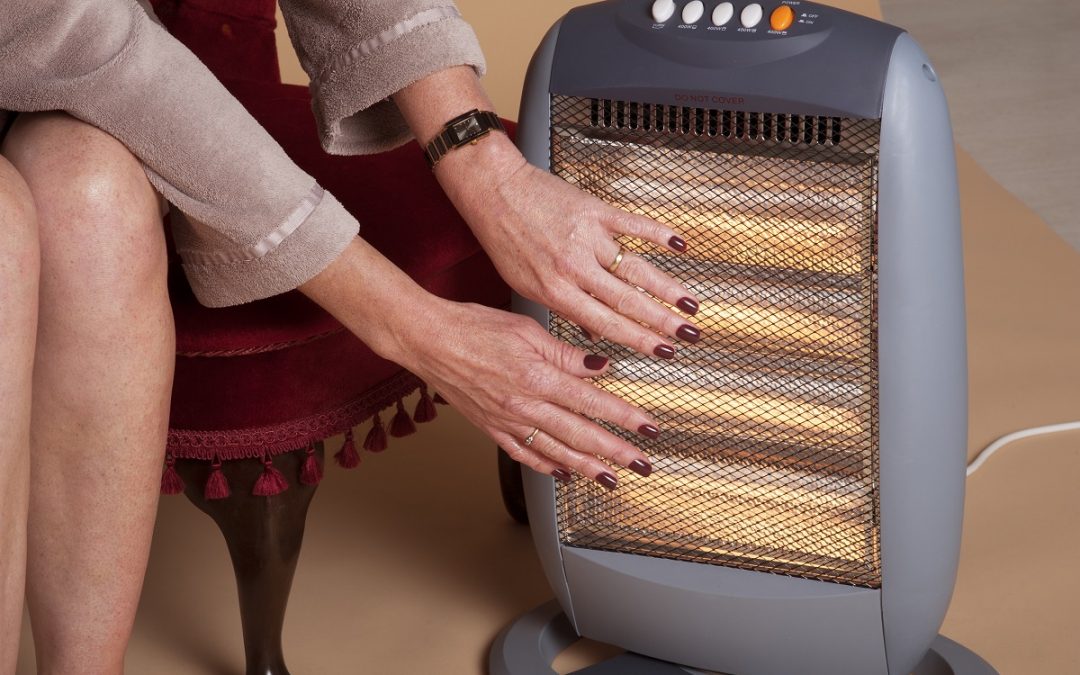
This isn't just about feeling snuggly. Lowering the thermostat at night can save you some serious dough on your heating bill. Cha-ching!
Away From Home: Save Those Pennies!
Going out for the day? Or maybe you're off on a tropical vacation (lucky you!)? Don't waste energy heating an empty house!
Set your thermostat to around 55°F (13°C). This prevents pipes from freezing. Nobody wants a burst pipe disaster!
Think of it this way: you're giving your heater a well-deserved vacation too. Everybody wins!
The Great Thermostat Debate: It's All Personal!
Look, these are just guidelines. The "perfect" temperature is subjective. It's like arguing about the best pizza toppings – everyone has an opinion!
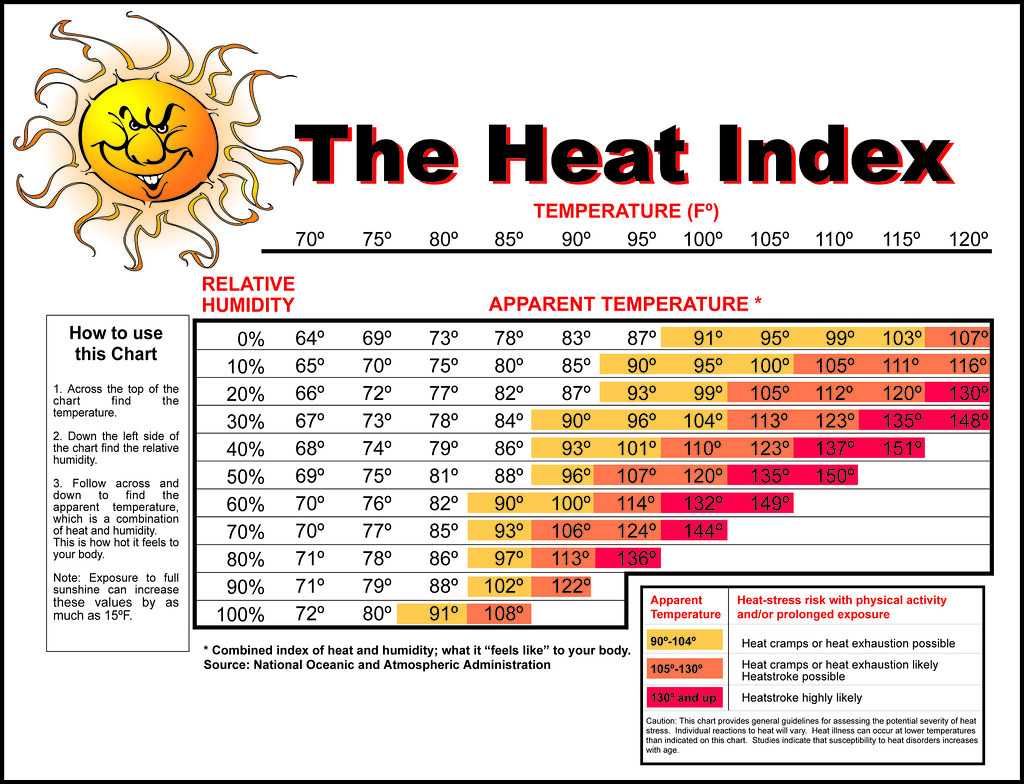
Some people are naturally more cold-blooded (figuratively speaking, unless you're a lizard). Others feel like they're living on the sun, even when it's freezing outside.
Factors like age, activity level, and even your clothing choices can influence what feels comfortable. Experiment and find what works for you!
The Fashion Factor: Dress for Success (and Warmth!)
Here's a thought: instead of blasting the heat, why not embrace the art of layering? Think cozy sweaters, fuzzy socks, and maybe even a stylish beanie indoors.
Become a master of indoor fashion! Plus, you'll save money and feel like you're starring in your own winter-themed movie. Extra points for hot cocoa!
It's amazing how much warmer you can feel just by adding a few layers. And who doesn't love an excuse to wear comfy clothes?

The High-Tech Helper: Smart Thermostats
Feeling fancy? Consider a smart thermostat. These gadgets learn your habits and automatically adjust the temperature. Pretty cool, right?
You can even control them from your phone! Imagine adjusting your thermostat while you're still snuggled under the covers. Pure bliss!
They can also track your energy usage, giving you valuable insights into how to save even more money. Knowledge is power (and savings)!
Don't Forget Maintenance! Keep Your Heater Happy.
A happy heater is an efficient heater. Make sure to get your furnace checked regularly. Change your air filters. It's like giving your heater a spa day!
A clogged filter forces your heater to work harder, wasting energy and potentially leading to breakdowns. Nobody wants that!
Think of it as preventative care. A little maintenance now can save you big headaches (and expenses) later.
The Bottom Line: Be Smart, Be Cozy, Be You!
Finding the right temperature is a balancing act. It's about comfort, savings, and personal preference. There's no single "right" answer.
Experiment, be mindful of your energy usage, and don't be afraid to embrace your inner snuggle monster. Winter doesn't have to be a chilly ordeal!
So, crank up the cozy, grab a warm drink, and enjoy the season! And remember, finding that perfect temperature is a journey, not a destination. Have fun!
Just remember to avoid setting your thermostat to "Lava." Trust us on this one.