What Is A Calculator Key Called
Ever stared at a calculator and wondered what the proper name for that little button that adds things is? Or maybe you're teaching your kids about math and want to use the correct terminology? It might seem trivial, but understanding the names of calculator keys is surprisingly useful and kind of fun! It helps you communicate effectively, understand instructions better, and even debug calculator-related problems.
So, what is that key called? Well, the answer depends on what the key does. Let's break down some of the most common ones:
For beginners, understanding the basic operation keys is crucial. These are your:
Must Read
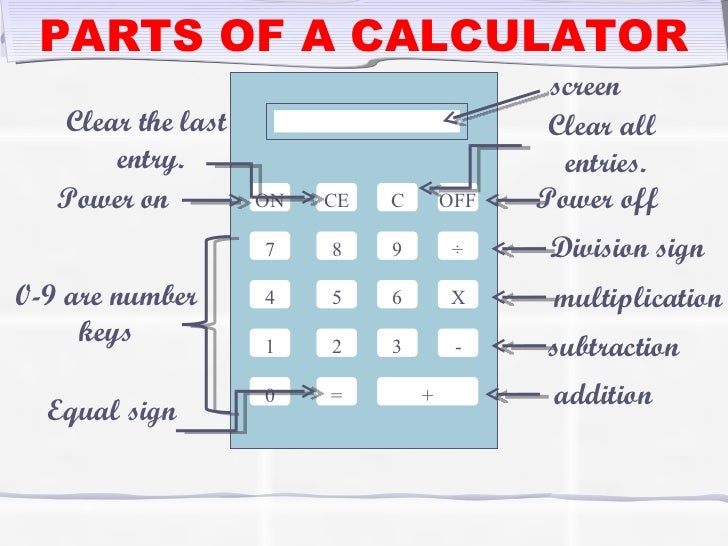
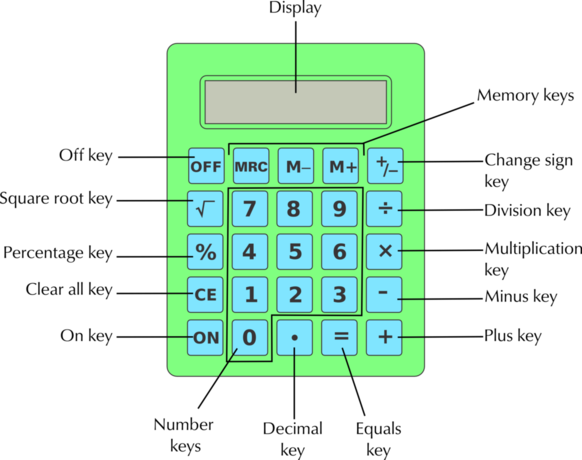
- Addition key (+): This key performs the addition operation, adding two numbers together. Think of it as the "plus" key.
- Subtraction key (-): Used for subtracting one number from another. Often referred to as the "minus" key.
- Multiplication key (× or ): Multiplies two numbers. Sometimes represented by an asterisk () on computer-based calculators.
- Division key (÷ or /): Divides one number by another. Sometimes shown as a forward slash (/) especially on computers.
- Equals key (=): This is perhaps the most important key! It finalizes the calculation and displays the result.
These keys are invaluable for families helping with homework. Knowing their proper names allows you to explain mathematical concepts more clearly and confidently. Instead of saying "Press that plus thingy," you can say, "Press the addition key." It sounds so much more… official!
For hobbyists involved in crafting, sewing, or any project requiring precise measurements and calculations, understanding more advanced keys can be a game-changer. These might include:
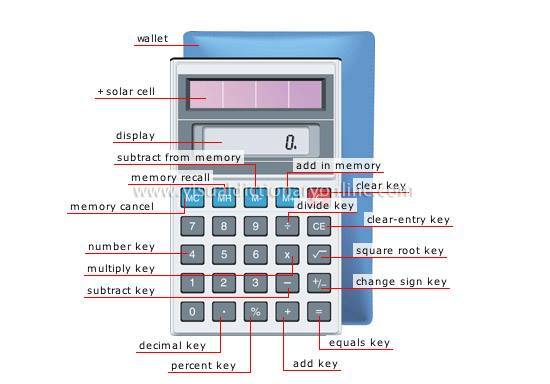
- Square root key (√): Calculates the square root of a number.
- Percent key (%): Calculates percentages.
- Memory keys (M+, M-, MR, MC): These are incredibly useful for storing and recalling numbers within the calculator's memory. M+ adds a number to the memory, M- subtracts from the memory, MR recalls the number in memory, and MC clears the memory.
- Clear keys (C or AC): C typically clears the current entry, while AC (All Clear) resets the entire calculator.
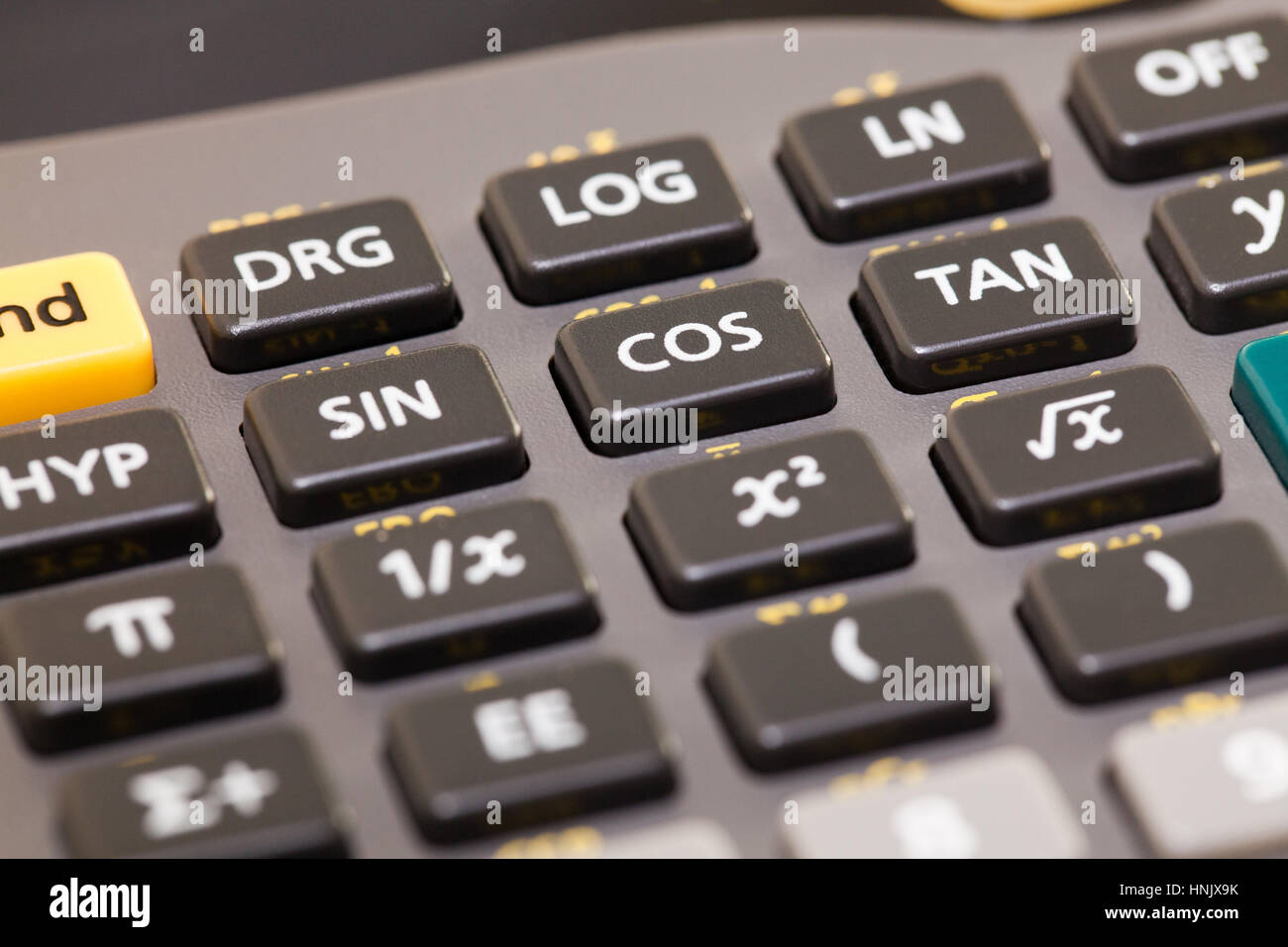
Variations exist depending on the type of calculator. Scientific calculators have even more specialized keys for trigonometric functions (sin, cos, tan), logarithms (log, ln), and exponents (x², yx). Graphing calculators have keys for graphing functions and performing statistical analysis.
Simple tips to get started:
- Start with a basic calculator and familiarize yourself with the fundamental operation keys.
- Read the calculator's manual! It might seem boring, but it provides valuable information about all the available functions.
- Practice using the keys with simple calculations. Make it a game!
- As you become more comfortable, explore the more advanced features of your calculator.
Ultimately, learning the names of calculator keys isn't about becoming a math whiz (though it might help!). It's about gaining a better understanding of the tools we use every day and being able to communicate effectively about them. So, go forth, explore your calculator, and have fun with numbers!