Ah, temperature. It’s one of those things that unites us, yet also delightfully divides us. Especially when you cross borders, or even just hop online to check a weather report from a different part of the world. Suddenly, you're not just looking at numbers; you're deciphering an ancient code. One of the most famous, and perhaps most pleasantly puzzling, numbers we often bump into is 68 Degrees F.
The Mystique of 68°F: A Love Letter to "Just Right"
Let's talk about 68 Degrees F. If you grew up with Fahrenheit, this number probably conjures a very specific feeling. It’s not too hot, not too cold. It’s the Goldilocks of temperatures, isn't it? It’s when you can wear a light sweater or perhaps just a t-shirt. The windows are open, a gentle breeze drifts through. It's the kind of day that makes you hum a little tune and think, "Yes, this is comfortable." It's not sizzling, it's not brisk. It's simply perfect. It’s the temperature of a truly good mood. A balmy, utterly delightful mood.
“68°F isn’t just a number; it’s a state of mind. A slightly sleepy, entirely content state of mind.”
You might set your thermostat to it. You might sigh with relief when the weather app shows it. It’s a temperature that just feels right. It’s the ideal for a picnic in the park, a leisurely stroll, or simply curling up with a book without needing a blanket or a fan. For many, it's the undisputed champion of indoor comfort, too. It’s the air conditioning sweet spot, the gentle embrace of a mild spring day. It’s the temperature that invites you to breathe a little deeper and smile a little wider. It speaks of ease, of tranquility. It's not just a measurement; it's a whisper of contentment.
The Big Reveal: From Fahrenheit Bliss to Celsius Clarity
But then, someone inevitably asks, "What is that in Celsius?" And suddenly, our perfectly pleasant Fahrenheit bubble bursts, just for a moment, as we brace ourselves for the mathematical translation. We all know Celsius is the more globally accepted, arguably more logical system. It aligns neatly with water's freezing and boiling points. It makes sense, scientifically. It’s neat. It’s tidy. But does it feel as good to say?
Flexi answers - What is 68 degrees Celsius in Fahrenheit? | CK-12
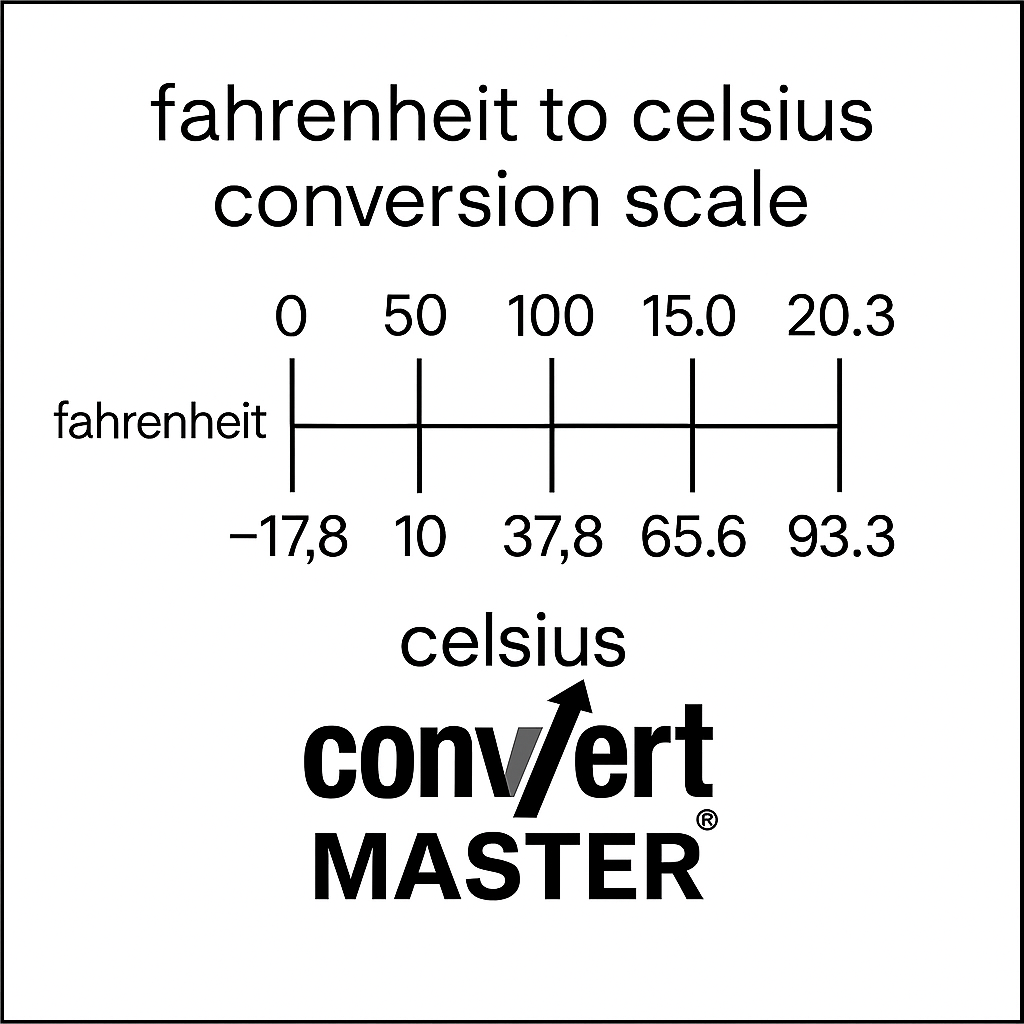
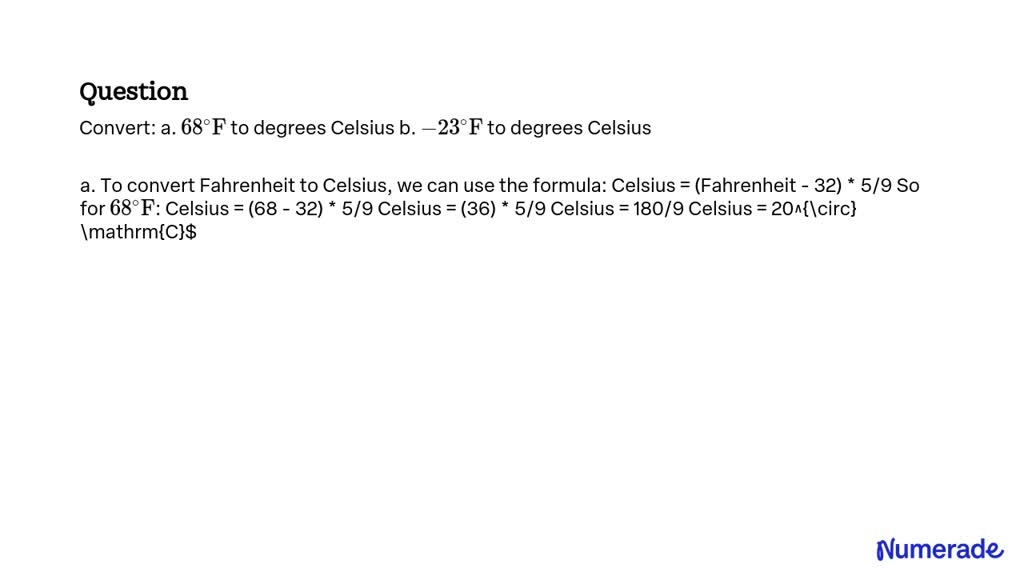
The moment of truth: 68 Degrees F is, in fact, exactly 20°C.
There you have it. Twenty degrees Celsius. When you hear "20°C," you probably nod. "Yes," you think, "that sounds nice." It’s pleasant. It’s mild. It’s a good, solid number. But does it carry the same whimsical charm as 68 Degrees F? Does "20°C" instantly evoke the same feeling of quiet contentment, of just right, as "68 Degrees F" does for many of us?
SOLVED:Convert: a. 68^∘ F to degrees Celsius b. -23^∘ F to degrees Celsius
The Subtle Art of Temperature Perception: Why Words Matter
Say "68 Degrees F" out loud. It rolls off the tongue, doesn't it? There's a certain roundness to it, a gentle rhythm. It’s evocative. Now say "20°C." It’s precise. It’s clinical. It’s correct. It’s perfectly acceptable. It's clear. But does it whisper "perfectly comfortable" quite as loudly? For those of us who grew up with Fahrenheit, the two systems feel like different languages spoken by the heart versus the brain. Fahrenheit speaks the language of feeling; Celsius speaks the language of fact.
“Converting temperatures is less about math and more about translating emotions.”
68 Celsius to Fahrenheit What is 68 °C in °F?
When you’re trying to explain to a friend from a Celsius-loving country that "it’s a glorious 68 Degrees F out," you might see a slight pause. A momentary mental conversion. You know they're probably thinking, "Ah, 20°C. Yes, that's decent." But they might miss that subtle nuance, that almost poetic sense of ideal comfort that 68 Degrees F carries in our minds. They might miss the feeling of wearing exactly the right amount of clothing, with no effort at all. They might miss the feeling of the air being neither too heavy nor too light.
Embracing Our Temperature Quirks
So, why do we hold onto our quirky Fahrenheit scale for comfort, even when the rest of the world has largely moved on? Perhaps it’s because it feels more granular in our everyday sweet spot. Each degree in the human comfort range seems to carry more weight, more descriptive power. Going from 68 to 69 F feels like a noticeable shift in comfort. From 20 to 21 C? It’s still nice. It’s still good. But it lacks that visceral ping of recognition.
At the end of the day, whether you prefer the evocative charm of 68 Degrees F or the straightforward logic of 20°C, they both describe the same wonderful, mild weather. It’s a temperature that most of us can agree is pretty fantastic. It’s the kind of temperature that makes you want to linger outdoors a little longer. So, the next time someone asks you about 68 Degrees F, you can confidently tell them it’s 20°C. And then, perhaps with a wink, you can explain that while 20°C is accurate, 68 Degrees F just feels a whole lot more like pure, unadulterated comfort.