Imagine being able to conjure objects right before your eyes. A tiny statue, a custom phone stand, even a replacement part for something broken around the house. Sound like magic? Well, welcome to the wonderful world of 3D printing! It’s all about turning your digital dreams into touchable reality. But how does it work? What's the secret ingredient that lets you pull these creations out of thin air?
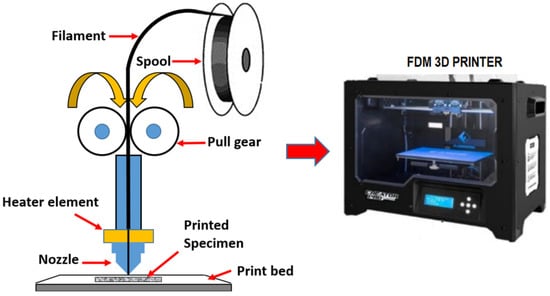
The star of the show, the magical raw material, is called 3D filament. Think of it as the ink for your futuristic printer, but instead of staining paper, it builds solid objects layer by tiny layer. It comes as a long, thin string, usually wound onto a big spool, and it’s this string that your 3D printer heats up and squishes out with incredible precision. But what exactly is this amazing string made of?
The Friendly Faces of Filament
Most 3D printing adventures begin with a couple of superstar materials, each with its own charm and superpowers. The easiest to get along with, especially if you're just starting your creative journey, is PLA.
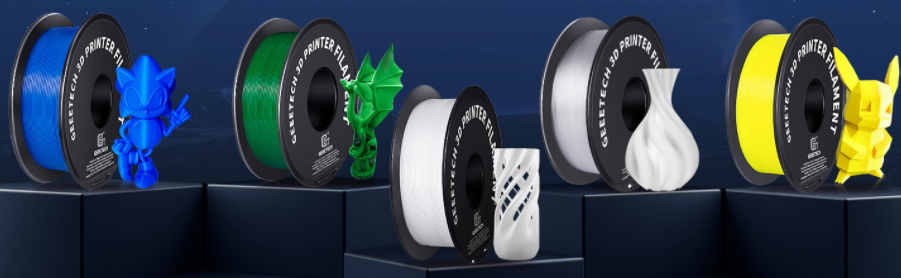
PLA, which stands for Polylactic Acid, is like the eco-friendly superhero of the filament world. Why? Because it's made from renewable resources like cornstarch or sugarcane! That's right, your next cool gadget could literally be grown from plants. How neat is that? PLA is super popular because it’s easy to print, doesn't smell much when it's being melted, and comes in a dazzling array of colors, from sparkly blues to matte greens and everything in between. It's perfect for printing fun toys, decorative items, and anything that doesn’t need to withstand extreme heat or heavy impacts. You can create adorable desk buddies, charming ornaments, or custom board game pieces with ease. It's truly a delight to work with, making those first successful prints feel incredibly satisfying.
Want to turn an idea into something real without a fuss? PLA is your best friend!
How 3D printer filament is made in our factory in Scotland | 3D Print
Then there's ABS, short for Acrylonitrile Butadiene Styrene. If PLA is the friendly decorator, ABS is the tough construction worker. You've probably encountered ABS without even knowing it, because it’s the same strong plastic used to make those incredibly durable LEGO bricks! Remember dropping a LEGO model and it staying perfectly intact? That’s ABS for you. This filament is fantastic for printing parts that need to be sturdy and resist wear and tear, like tool handles, car parts (the non-critical ones, of course!), or sturdy enclosures for electronics. It's a bit trickier to print than PLA, often needing a heated print bed and a well-ventilated space, but the results are incredibly robust. It’s perfect for when your creations need to stand up to some serious playtime or real-world use.
Rounding out the common trio is PETG, or Polyethylene Terephthalate Glycol. This material often feels like it got the best qualities from both PLA and ABS. Think of it as the versatile middle child. It’s almost as easy to print as PLA, but offers much of the strength and durability of ABS, without as many printing headaches. You’ve definitely seen PETG before – it's what most plastic water bottles are made of! So, you know it’s tough, food-safe in its pure form, and generally quite resilient. It’s fantastic for anything that needs to be strong and a bit flexible, like protective covers, functional prototypes, or parts that might get knocked around a bit.
Beyond the Basics: The Fun Gets Wild!
But the world of 3D filament doesn't stop with just these three! This is where the truly entertaining and special aspects come into play. There are filaments infused with tiny bits of wood, so your printed vase can look and even smell like actual timber! Imagine printing a little wooden figurine without ever touching a chisel. There are also filaments mixed with metal powders, giving your prints a metallic sheen and a satisfying weight. Ever wanted a shiny bronze bust of your cat? Now you can have one!
Guide To 3D Printing Filaments PART-I | Geeetech
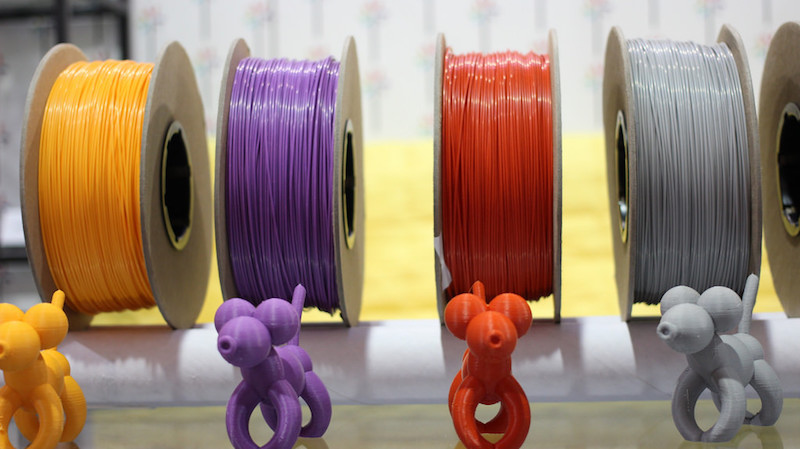
And for those who love a bit of sparkle or a surprise, you can find filaments that glow in the dark, change color with temperature, or even have glitter embedded within them. These specialty filaments let you add incredible visual and tactile effects to your creations, turning simple objects into conversation starters and pieces of art.
The sheer variety is mind-blowing; you can literally print imagination!
16 Types of 3D Printer Filaments: Comparison & List of 3D Materials
Why It's So Entertaining and Special
What makes all these different filaments so special and 3D printing so entertaining? It's the sheer power of creation at your fingertips. With each type of filament, you unlock new possibilities. PLA lets you experiment with vibrant colors and fun designs. ABS empowers you to build strong, lasting objects. PETG provides a versatile balance for almost anything. And the exotic filaments? They let you truly play and innovate, adding textures, effects, and sensory experiences you never thought possible from a printer.
The magic isn't just in the printer; it's in the material you choose to feed it. Each spool is a promise of a new adventure, a new project waiting to be born. Seeing a coil of plastic string slowly transform into a complex, tangible object is genuinely captivating. It’s like being an inventor, an artist, and a magician all rolled into one. It ignites curiosity and provides endless opportunities for hands-on learning and problem-solving, all while making something unique to you.
So, the next time you see a cool 3D printed item, remember the unsung hero: the filament. It's not just plastic; it's the raw potential for imagination, waiting to be unleashed. Isn't it time you explored this amazing world and perhaps even created something wonderful yourself?