What Impact Does Solar Power Have On The Environment
Let's talk about sunshine! Not the kind that gives you a tan (or a sunburn, if you're like me), but the kind we can harness to power our homes, our gadgets, and maybe, just maybe, one day, our flying cars. We're talking about solar power, and its impact on our big, beautiful, slightly stressed-out planet.
Goodbye, Smokestacks (and Hello, Happy Clouds!)
Okay, picture this: You're a cloud. You're just floating along, minding your own business, when suddenly... BAM! A massive plume of smoke from a power plant belches right in your face. Not cool, right? Well, solar power helps those clouds live their best, un-smogged lives. By using the sun instead of burning fossil fuels like coal, we dramatically reduce air pollution. Think of it as giving the sky a giant, much-needed breath of fresh air. The birds sing sweeter, the bees buzz louder, and even the grumpy neighborhood squirrel seems a little less grumpy.
Taming the Carbon Monster
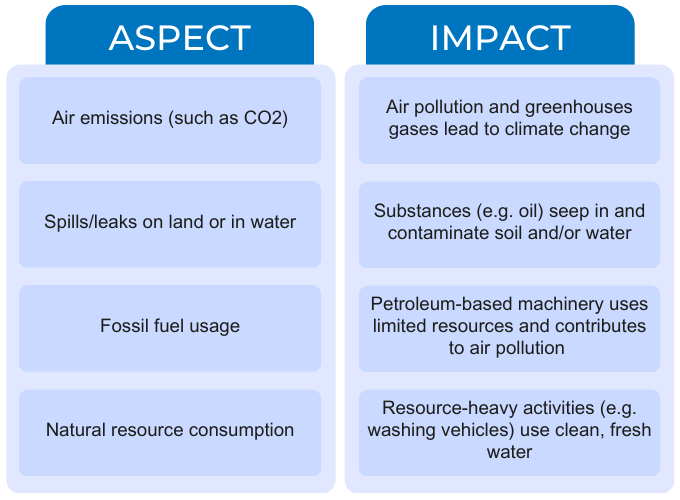
You've probably heard of carbon dioxide, or CO2. It's a gas that traps heat in the atmosphere, kind of like wrapping the planet in a giant, unwanted blanket. Too much CO2, and things get a little toasty (and not in a good way). Guess what? Solar panels don't pump out CO2 while they're generating electricity. They're basically silent, sun-powered ninjas, fighting climate change one kilowatt-hour at a time. It's like having a tiny army of eco-warriors on your roof, silently battling the carbon monster. Pretty cool, huh?
Must Read
Less Thirsty Power Plants
Here's a surprising fact: traditional power plants, especially those that burn coal, need a LOT of water. Like, Olympic-sized swimming pool amounts of water. They use it for cooling, and that water often gets discharged back into rivers and lakes, sometimes warmer than it should be, which can mess with aquatic ecosystems. Solar farms, on the other hand, are much less thirsty. They don't need nearly as much water to operate. So, by switching to solar, we're not just saving the air, we're saving the water, too! The fish are doing a happy dance, and the frogs are croaking with joy.
Land Use: A Little Give and Take
Now, it's not all sunshine and rainbows (pun intended!). Solar farms can take up a fair bit of land. Think of them as giant, sun-catching gardens. But, the good news is that this land can sometimes be used for other things, too! Some solar farms are grazing sheep underneath the panels, creating a symbiotic relationship where the sheep keep the grass down and the solar panels keep the sheep shaded. Others are planting pollinator-friendly plants, turning these solar farms into havens for bees and butterflies. It's all about finding creative ways to share the space and make the most of it.

Mining for Sunshine (Not Mountains!)
Fossil fuels? Gotta dig 'em up. Coal mines can scar the landscape and disrupt ecosystems. Solar energy? It's already there, raining down on us every day! Think of it as mining for sunshine. No digging required! Just a little bit of clever engineering and a whole lot of sun-catching technology. It's a much gentler way to get the energy we need, without leaving giant holes in the ground.
In a nutshell, solar power offers a cleaner, greener, and generally happier way to power our lives. It's not a perfect solution, but it's a giant leap in the right direction. So, the next time you see a solar panel glinting in the sun, remember that it's doing more than just making electricity. It's helping to clean the air, conserve water, fight climate change, and maybe, just maybe, make the world a slightly better place, one sunny day at a time.

And who wouldn't want that?