What Happens When Your Septic Tank Is Full

Ah, the humble septic tank. It's not often we gather around the water cooler to sing its praises, is it? Yet, for millions of us living beyond the reach of municipal sewer lines, this subterranean marvel is the silent, unsung hero of our domestic bliss. We don't "enjoy" it in the traditional sense, perhaps, but we certainly enjoy the peace of mind it provides. The ability to flush and forget, to wash dishes without a second thought, to shower luxuriously – all thanks to that invisible, hardworking concrete or plastic box buried discreetly in our yard.
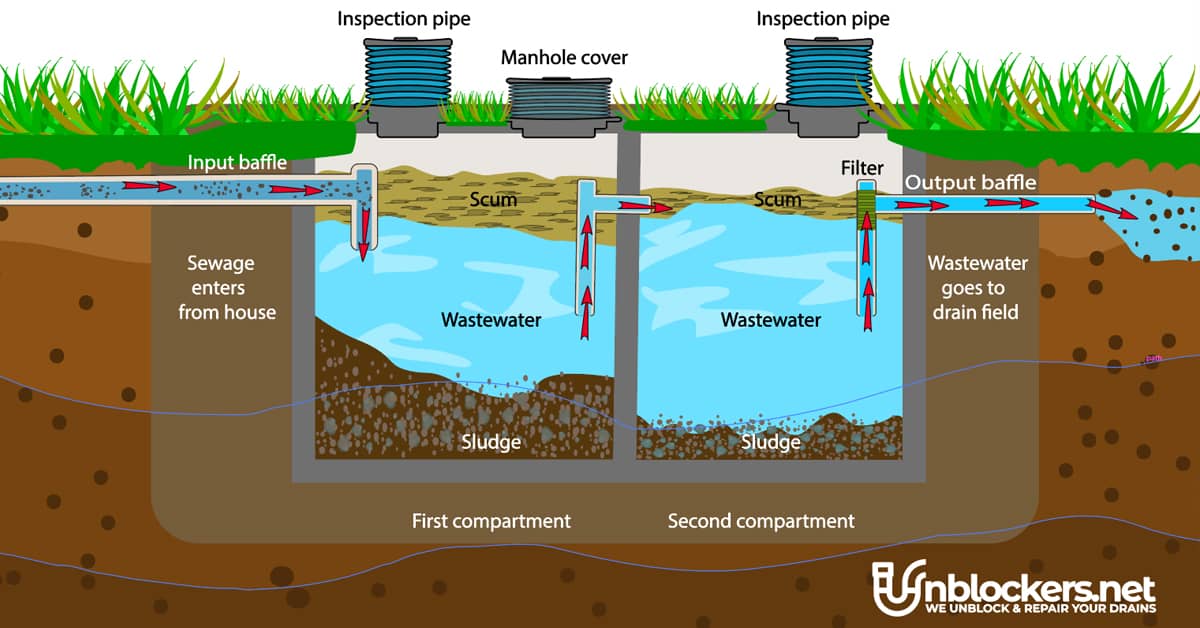
The beauty of a well-functioning septic system lies in its self-sufficiency and its commitment to environmental responsibility. Its primary purpose is to treat household wastewater right on your property, safely returning it to the earth. It's a miniature, natural treatment plant, where solids settle to the bottom (forming sludge) and lighter materials float to the top (forming scum). In the middle, the "clear" liquid, called effluent, flows out to the drain field or leach field, where it slowly percolates through the soil, getting naturally filtered and purified before rejoining the groundwater. This ingenious system protects local waterways from pollution and provides an essential service for homes in rural and suburban areas, vacation cabins, and countless independent properties across the globe.
But what happens when this diligent workhorse gets a little... overwhelmed? What happens when your septic tank is full? Well, let's just say the quiet efficiency gives way to some rather unmistakable signals. You might notice your toilets flushing sluggishly, or your drains gurgling like a disgruntled monster. Perhaps the laundry water backs up into the shower, or worse, you detect an unpleasant odor wafting up from your yard, particularly near the drain field. These are not just minor inconveniences; they're your septic system sending out a distress signal, crying out for attention before things get truly messy.
Must Read
So, how can you ensure your septic system continues to serve you faithfully and avoid that dreaded "full" feeling? Here are some practical tips to keep your subterranean superhero happy and healthy:
- Watch What You Flush: This is paramount. Your septic tank is not a trash can. Absolutely avoid flushing anything but human waste and toilet paper. Items like "flushable" wipes (they're not!), feminine hygiene products, paper towels, dental floss, cat litter, and cigarette butts can cause clogs and overwhelm the system.
- Mind Your Drains: Grease and cooking oils are septic system nightmares. They solidify and contribute to the scum layer, reducing the tank's effective volume. Also, be mindful of harsh chemicals like excessive bleach, drain cleaners, and paint thinners, as they can kill the beneficial bacteria vital for breaking down waste.
- Conserve Water: Every gallon of water you use ends up in your septic tank. Spreading out laundry loads, taking shorter showers, and fixing leaky faucets can significantly reduce the load on your system.
- Know Your Drain Field: Avoid driving or parking heavy vehicles over your drain field, as this can compact the soil and damage the pipes. Don't plant trees or shrubs with aggressive root systems too close, as roots can infiltrate and clog the lines.
- Schedule Regular Pumping: This is arguably the most crucial tip. Septic tanks need to be pumped out periodically – typically every 3 to 5 years, depending on household size and tank volume – to remove the accumulated sludge and scum. Think of it as a necessary reset for your system. Don't wait for the warning signs; prevention is far better (and cleaner!) than emergency intervention.
By understanding your septic system and following these simple guidelines, you can ensure it remains the silent, reliable guardian of your home's wastewater, allowing you to continue enjoying the convenience of modern plumbing without a second thought – until the next scheduled pump, of course!