
What Happens When Power Goes Out
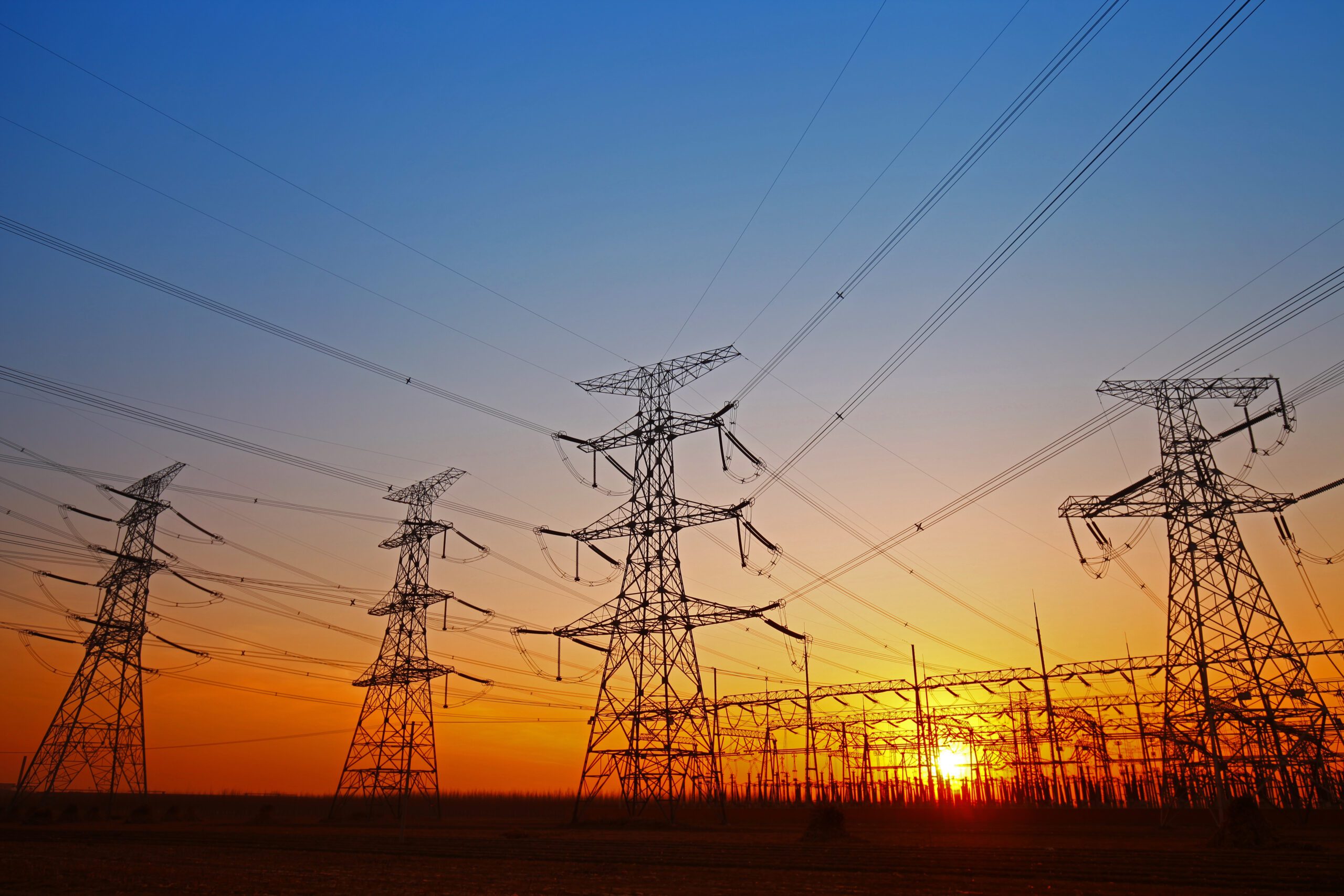
Picture this: You’re deep into the season finale of your favorite show. The villain is about to be unmasked, the hero is making a last-ditch effort, and you’re on the edge of your seat, utterly engrossed. Then, bam! The screen goes black, the sound dies, and a heavy silence descends. You blink, confused, before the realization hits: the power is out. Again. (Yup, totally happened to me last Tuesday during a particularly gripping episode of that alien invasion show. Tragic.)
That immediate jolt of annoyance, the sudden helplessness, the scrambling for a flashlight – we've all been there, right? But beyond our personal frustration, have you ever stopped to think about what really happens when the lights go out? It's more than just your Netflix taking an unannounced break; it's a ripple effect that touches everything.
The Instant Blackout: Your Home Goes Offline
First, your lights, TV, computer, and chargers are instantly kaput. Your fridge and freezer become expensive, quiet insulated boxes. The oven? A cold, dark monument. And the Wi-Fi? Gone! It’s a forced digital detox, whether you like it or not!
Must Read
But it's not just convenience. For some, it's critical. Think folks relying on medical equipment at home – oxygen concentrators, dialysis machines. Suddenly, power isn't a luxury; it's a lifeline. Hospitals have backup generators, but sustained outages still strain resources.
Beyond Your Walls: The City Holds Its Breath
Step outside, and the impact spreads. Traffic lights revert to four-way stops, or worse, dark intersections inviting chaos. Imagine that morning commute. Yikes.
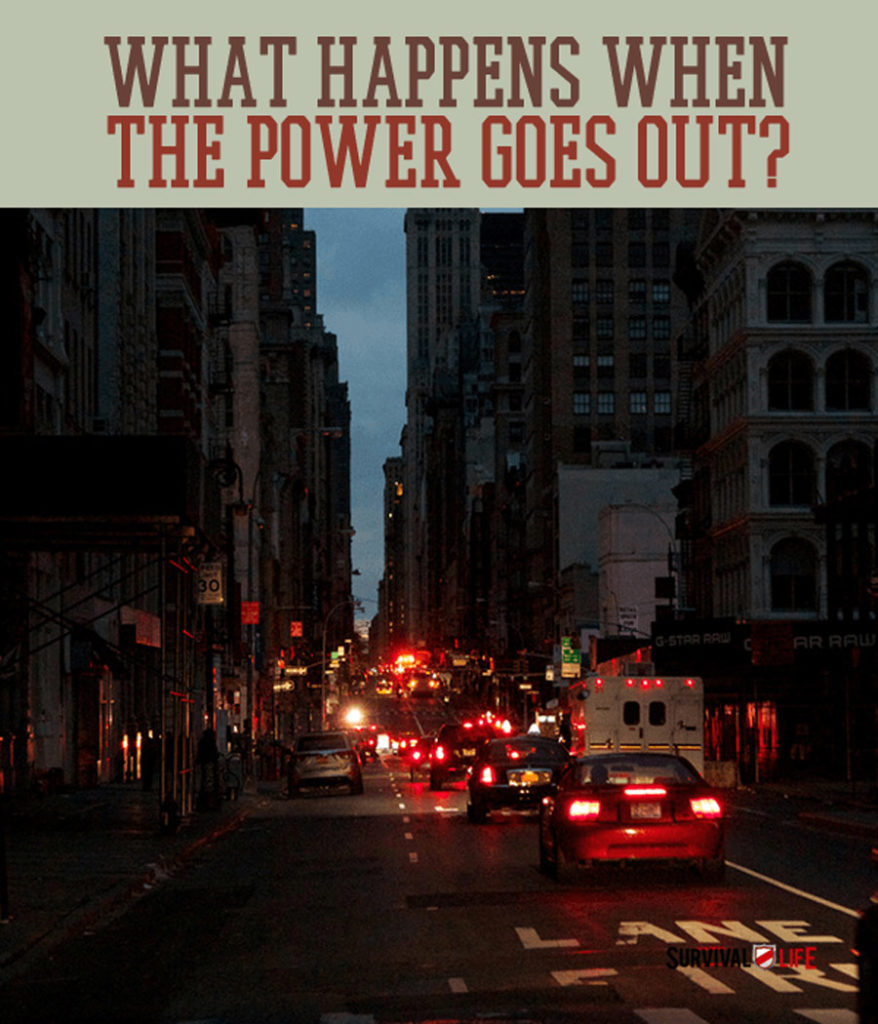
Stores can't operate; ATMs are useless. Gas pumps go offline. Security systems rely on limited battery backup. Even municipal water pumps, crucial for tap water, can stop. Seriously, think about that for a second.
This is where the "grid" comes into play. Our entire society is built on a complex, interconnected web. When one part falters, it can have cascading effects.
Why Does It Even Happen? The Usual Suspects
Power outages aren't mysterious. Often, it's Mother Nature: severe storms, ice, high winds bringing down trees and lines. Sometimes, an accident – a car hitting a pole (ouch!), or an animal interfering with equipment.

Less dramatically, equipment failure happens – transformers blow, lines fray. Or, rarely, a demand surge can overload the system. Sometimes, outages are planned for maintenance. But for most, when lights go out, it feels like a surprise party we weren't invited to.
The Heroes Behind the Scenes: Getting Power Back
While you're fumbling for candles, a whole army of dedicated people spring into action: utility crews. These folks are the true unsung heroes. Their job? Identify the problem, often in treacherous weather, and fix it.

It's not always simple. They might repair downed lines, replace damaged equipment, or isolate a faulty section. Power is often restored in stages, starting with critical infrastructure, then broader areas. Lights might flicker before settling – that's the grid reconnecting. It’s a delicate dance, really.
When the Lights Stay Off: Longer-Term Impacts
A short outage is inconvenience; a long one is a different ballgame. Food spoils. Without heating or AC, homes become dangerously cold or hot. Communication becomes difficult as cell towers run out of backup power and phone batteries die. Communities pull together, relying on generosity and resourcefulness.
The Takeaway: Appreciate the Juice!
So, next time the lights dim and go dark, take a moment to appreciate the incredible, invisible infrastructure that powers our lives. It’s not just about smart gadgets; it’s the very fabric of modern society. And maybe, keep a fully charged power bank and a flashlight handy. You know, just in case that alien invasion show has another cliffhanger. You're welcome.
