What Happens If You Smell Gas

There's something wonderfully primal about our sense of smell, isn't there? It’s a silent, invisible superpower that instantly transports us back to childhood kitchens, reminds us of loved ones' perfumes, or signals the impending delight of a gourmet meal. Our nose, often underestimated, is a true maestro, conducting an orchestra of memory and emotion with every whiff. It helps us savor life's little joys, making a simple cup of coffee an invigorating ritual or a walk in the woods a refreshing escape. But beyond pleasure, our sense of smell also plays a vital role in our everyday safety, acting as an unsung hero, a vigilant guardian against unseen dangers.
One of the most critical services our nose provides is its ability to detect potential hazards, and few smells are as important—or as potentially life-saving—as the distinct aroma of gas. Unlike natural gas, which is naturally odorless, utility companies add a powerful-smelling chemical called mercaptan to give it that unmistakable "rotten egg" or sulfurous scent. This isn't just a quirky addition; it’s a deliberate and ingenious safety measure. The purpose is simple: to ensure that if there's a leak, your nose becomes your first, fastest, and often only warning system, screaming for your immediate attention before more serious problems arise.
You might encounter this distinctive odor in several common scenarios. Perhaps you’ve accidentally left a burner on the stove slightly open, or maybe your barbecue propane tank isn't sealed quite right. Sometimes, it could be a more significant leak from an appliance like a water heater or furnace, or even an underground line. Even gasoline fumes, while different in character, serve a similar warning purpose—telling you there's a spill or a ventilation issue. In each instance, that particular smell isn't just an annoyance; it’s a crucial signal designed to protect you from fires, explosions, or even suffocation. It's your personal alarm, triggered by your most ancient sense.
Must Read
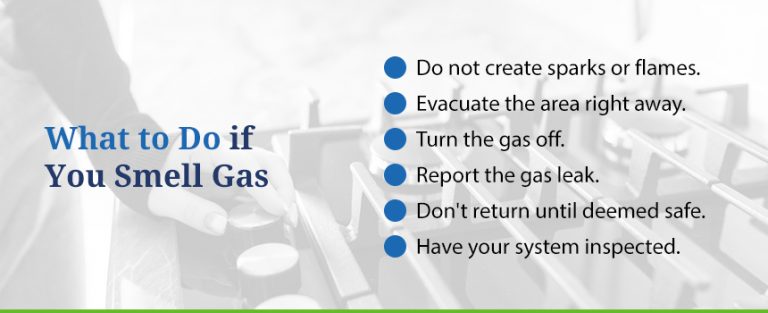
So, how can you "enjoy" this particular sensory experience more effectively? By understanding its gravity and knowing precisely how to respond. The "enjoyment" here isn't about pleasure, but about maximizing its protective potential. Here are some critical tips:
- Do NOT ignore it: Even a faint whiff should be taken seriously. Your nose is usually right!
- Evacuate Immediately: Get everyone, including pets, out of the building and to a safe distance.
- Do NOT Create a Spark: This is paramount. Avoid turning lights on or off, using your phone indoors, lighting candles, operating appliances, or even starting a car. A spark could ignite the gas.
- Call from Safety: Once you are a safe distance away, call your gas utility company or 911. They will send trained professionals to investigate.
- Stay Away: Do not re-enter the building until emergency personnel have declared it safe.
Ultimately, the smell of gas is a serious matter, but by understanding its purpose and knowing the correct actions to take, you empower yourself to respond effectively. It transforms a moment of potential panic into a swift, life-preserving action, all thanks to that extraordinary, often overlooked, power of your nose. Pay attention to it; it might just save your life.