What Element Is Plastic Made Of

Hey there, fellow curious human! Ever found yourself staring at, say, a plastic water bottle or that super handy food container, and thought, "Hold on a minute... what exactly is this stuff made of?" If so, congratulations, you've officially joined the club of pondering the everyday! And guess what? It's not nearly as complicated (or boring!) as you might think.
Let's dive right in, shall we? You might expect plastic to be made of some super exotic, sci-fi element, right? Like Unobtanium or Vibranium (oops, wrong universe!). But here’s the cool twist: plastic is actually made from some of the most common, down-to-earth elements you already know. Seriously, it's like a magic trick with everyday ingredients!
The Superstars: Carbon and Hydrogen
The absolute, undisputed, top-of-the-bill champions in the world of plastic are two humble elements: Carbon and Hydrogen. Yep, those two! Carbon is like the ultimate social butterfly of the periodic table, always ready to bond with pretty much everyone. And Hydrogen? It’s Carbon’s trusty sidekick, always there to complete the picture.
Must Read
Think of it this way: Carbon atoms love to link up with each other, forming long, strong chains – kind of like holding hands in a never-ending line. And Hydrogen atoms just snuggle up along the sides of these chains, filling in all the gaps. Together, they form what we call hydrocarbons. Sounds fancy, but it just means "hydrogen and carbon" – told you it wasn't rocket science!
These long chains are the fundamental backbone of pretty much all plastics. They’re the "building blocks" of plastic, just like bricks are the building blocks of a wall. The difference in how they’re arranged, how long the chains are, and how they connect to each other is what makes plastic so incredibly diverse.
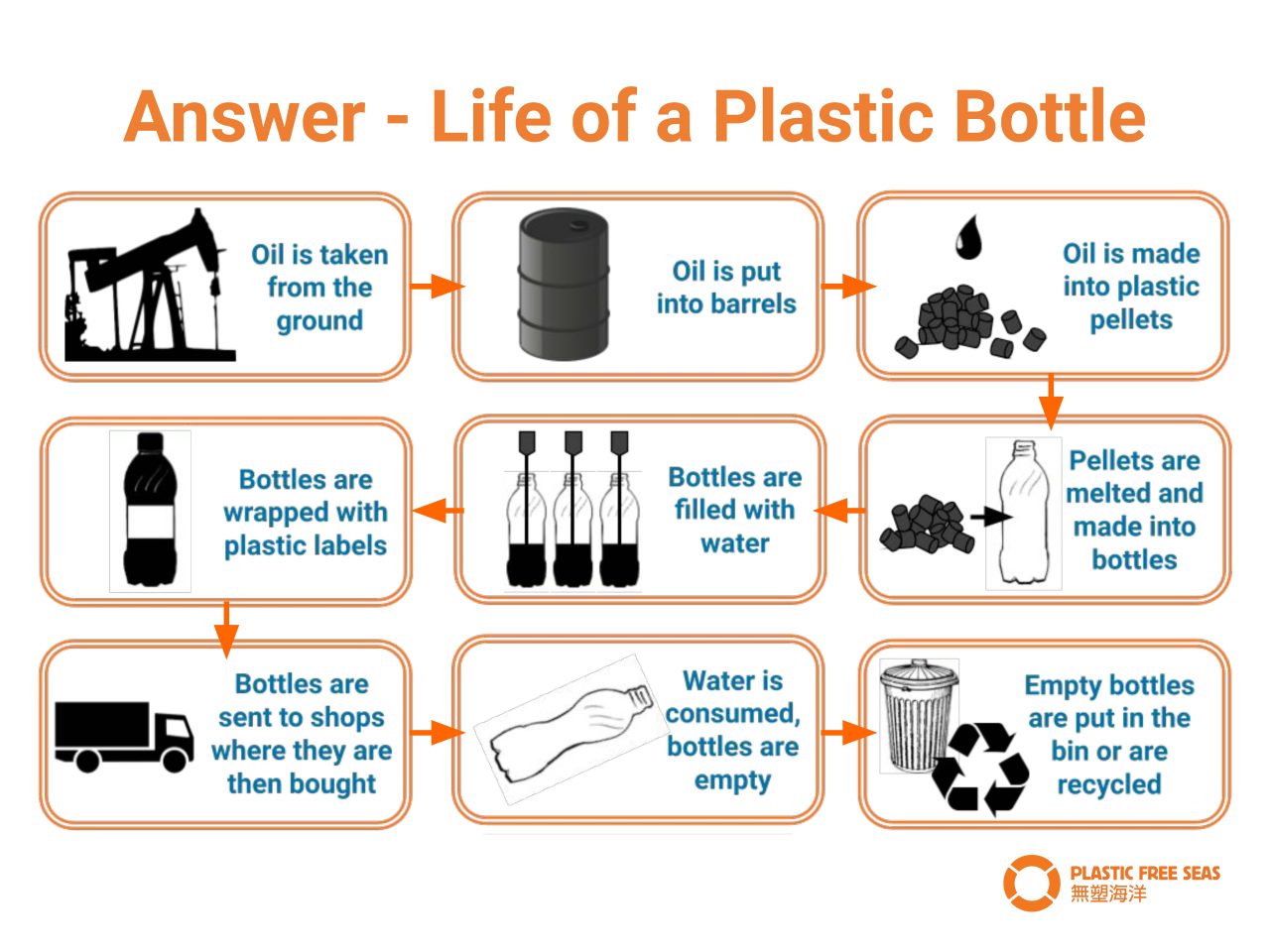
And the Supporting Cast...
While Carbon and Hydrogen are definitely the main characters, they sometimes invite a few friends to the party to spice things up a bit. Depending on the type of plastic, you might find other elements joining the crew. We're talking about:
- Oxygen: Sometimes sneaks in, especially in plastics like PET (polyethylene terephthalate), which is what most soda bottles are made of.
- Chlorine: A bit of a rebel, this one! It shows up in PVC (polyvinyl chloride), giving it some unique properties – think pipes and window frames.
- Nitrogen: Less common, but sometimes found in specialized plastics, adding extra strength or particular characteristics.
These extra elements are like special spices in a recipe, giving each plastic its unique flavor, texture, and behavior. Want a super flexible plastic? Add a bit of this. Need something rigid and strong? Tweak that arrangement. It's all about playing with the chemical structure!
The Big Word: Polymers!
Okay, let’s tackle the fancy science word without making your eyes glaze over: polymers. Don't worry, it's not a monster! "Poly" means "many," and "mer" means "parts." So, a polymer is simply "many parts."

Imagine tiny little individual molecules (called monomers) that are like single LEGO bricks. Now, imagine linking hundreds, thousands, or even millions of these LEGO bricks together to form a super-long, intricate chain or network. That, my friend, is a polymer! Plastic is essentially a material made up of these incredibly long, repeating chains of molecules.
And because these chains can be tangled, straight, branched, or cross-linked in countless ways, we get all the amazing variety of plastics we see every day – from squishy plastic bags to hard helmets, from stretchy cling film to sturdy car parts. It’s all thanks to the clever arrangement of those simple Carbon and Hydrogen (and sometimes other) atoms!
So, What's the Big Takeaway?
Next time you encounter plastic, you’ll know it’s not some alien goo! It's a marvel of chemistry, built primarily from humble Carbon and Hydrogen atoms, cleverly arranged into long polymer chains. It’s a testament to how simple ingredients, when put together in ingenious ways, can create materials with truly astonishing versatility.
From helping us preserve food and create life-saving medical devices to building efficient cars and housing, plastic has undeniably shaped our modern world. Yes, we're all becoming more aware of how to use and manage it responsibly, and that’s a fantastic thing! But let’s also appreciate the fundamental ingenuity behind its creation.
Isn’t it incredible that from such basic building blocks, human cleverness can create something so ubiquitous and useful? So next time you see that plastic item, give a little nod to Carbon and Hydrogen – the unsung heroes working hard behind the scenes! And remember, innovation never stops, and we're always learning new, cooler ways to create, use, and even recycle these amazing materials. Keep smiling, keep wondering, and keep being awesome!