
What Electricity Company Should I Use
Hey there, friend! Ever stared blankly at your electricity bill, wondering if you're getting the best deal, or even if you could be getting a better deal? You're not alone! It's one of those grown-up tasks that feels a bit like trying to solve a Rubik's Cube blindfolded. But fear not, your friendly neighborhood energy guide (that's me!) is here to shine a light on the situation. Pun absolutely intended!
Why Bother Choosing an Electricity Company Anyway?
Okay, so you might be thinking, "Wait, I can choose? I thought electricity just... came from the wall!" And for a long time, that was mostly true for many of us. But here's the zinger: in many areas, the energy market has been deregulated. What does that mean in plain English? It means you have options, baby!
Instead of being stuck with just one default company for everything, you might have one company that delivers the electricity (they own the poles and wires – let's call them the "delivery service"), and another company that sells you the actual electricity (they buy it on the wholesale market and sell it to you – the "supplier"). It's a bit like buying groceries: you can go to your local supermarket, or you can choose a different brand to get your favorite organic kale. Both get you food, but the details can vary!
Must Read
This competition among suppliers means they're all vying for your business, which can lead to better rates, greener options, or snazzier perks. So, choosing isn't just a chore; it's an opportunity to save some cash or align with your values!
Alright, So How Do I Choose? (The "Energy Dating Game")
Think of this process like dating. You wouldn't just pick the first person you see, right? You'd do a little digging, see what's out there. Same goes for your electricity provider!
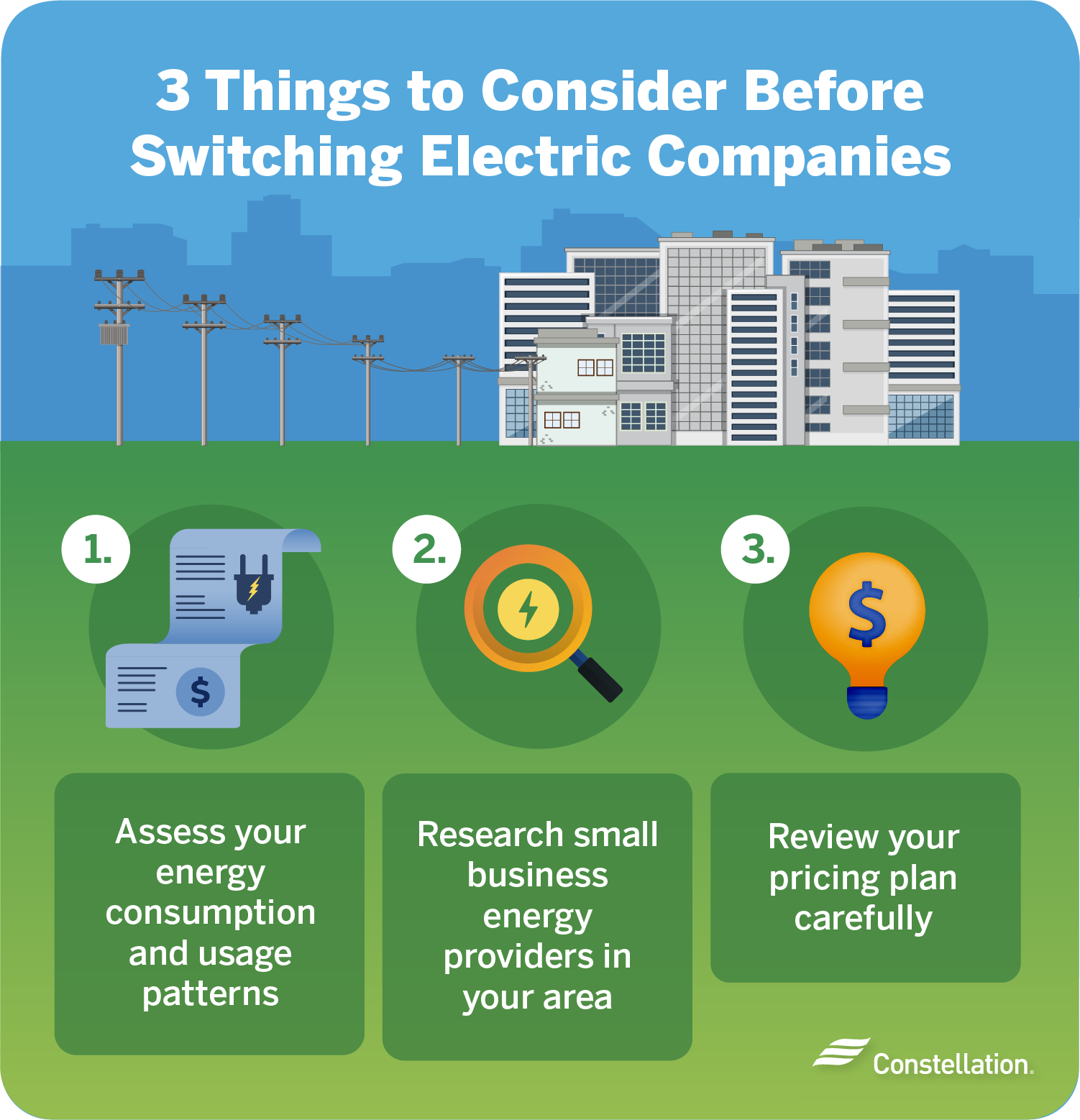
1. Know Your Usage (The Detective Work)
Before you even start looking, you need to know how much electricity you actually use. Dig out your old electricity bills (or log into your current provider's online portal). Look for your kilowatt-hour (kWh) usage. This is your personal energy footprint. Knowing this number is crucial because different plans might offer great rates for low usage but skyrocket for high usage, or vice-versa.
Don't just look at one month; try to get an average over a year. Your usage probably spikes in summer (AC, hello!) or winter (heaters, cozy nights). Having a full year's data gives you the most accurate picture.
2. Shop Around (The Comparison Site Adventure)
Now the fun begins! Many states have official or unofficial comparison websites where you can punch in your zip code and instantly see various plans from different suppliers. Websites like Power to Choose (in Texas) or similar sites in other states are your best friends here.
You'll typically see a few types of plans:
- Fixed-Rate Plans: Your rate per kWh stays the same for the entire contract term (e.g., 6, 12, 24 months). This is like locking in a stable relationship – you know what you're getting, no surprises! Great for budgeting.
- Variable-Rate Plans: Your rate can change month-to-month based on market conditions. This is the wild card, a bit more exciting but also riskier. Could be lower, could be higher. Only go for this if you're an energy market guru or love living on the edge!
- "Green" or Renewable Plans: If you're passionate about the planet, many suppliers offer plans sourced from wind, solar, or other renewable energies. Sometimes these are a bit pricier, but often not by much, and they let you feel good about your footprint!
3. Read the Fine Print (Don't Skimp on the Details!)
This is where the magic (or the mischief) happens. Always, always, ALWAYS read the Electricity Facts Label (EFL) or Terms of Service. It's like checking the ingredients on a cereal box – you need to know what you're consuming!
- Look for cancellation fees. Some plans might charge you a hefty fee if you break up with them early.
- Check for minimum usage fees or bill credits. Some plans sound amazing but only if you use a specific amount of electricity, which might not match your actual usage.
- Are there any hidden charges? Delivery fees, monthly service fees, etc., should all be clear.
4. Check Reviews (The Gossip Column)
Once you've narrowed it down to a few contenders, do a quick online search for customer reviews. Sites like the Better Business Bureau or simply Googling "[Company Name] reviews" can give you insights into their customer service, billing accuracy, and reliability. Are people complaining about surprise charges? Is it impossible to reach customer support? Your friends' experiences (or strangers' online experiences) can tell you a lot!

What if I Don't Choose? (No Stress!)
If all this feels a bit much, don't sweat it! In most deregulated areas, if you don't actively choose a supplier, you'll simply remain with the "Provider of Last Resort" or the default utility company. This isn't the end of the world, but it often means you're paying a slightly higher rate than you could be. It's safe, but usually not the most cost-effective option.
So, take a deep breath, grab a cup of coffee, and tackle this task with confidence! Choosing an electricity company might not be as thrilling as binge-watching your favorite show, but it's a small step that can lead to big savings and a lighter footprint. Plus, you'll feel like a total superhero for taking control of your energy destiny!
Go forth and energize, my friend, and may your bills be ever lower and your power always on!