What Does The Root Infer Mean In The Word Inferior

Have you ever stopped to wonder about the secret lives of words? Words are like little historical time capsules, carrying echoes of the past within their spellings and sounds. It's surprisingly fun, and even useful, to peek inside and understand where they came from. Today, let’s crack open a word that often carries a negative punch: "inferior." Specifically, let’s unravel the mystery of what the root "infer" means within it.
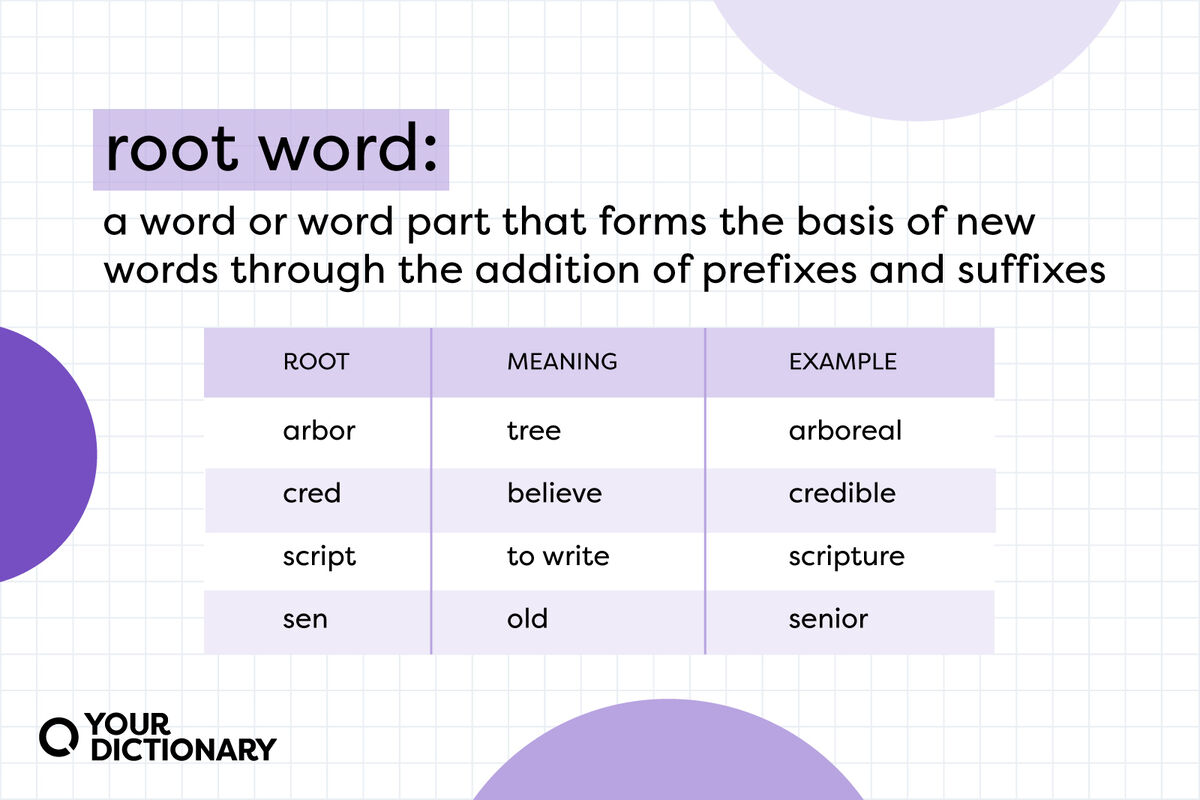
Why bother? Well, understanding word roots can significantly boost your vocabulary and comprehension. It's like having a decoder ring for language! When you recognize a root in one word, you'll often find it popping up in others, unlocking their meanings as well. Furthermore, appreciating the etymology of words can give you a more nuanced understanding of their implications. It's not just about knowing the dictionary definition; it's about grasping the subtle shades of meaning that history has layered onto them.
So, what's the deal with "infer" in "inferior"? The Latin root "infer" comes from the verb inferre, which means "to bring in," "to carry in," or even "to introduce." But how does "bringing in" relate to being "lesser" or "lower" in rank or quality? The key lies in understanding the comparative nature of "inferior." Think of it this way: something "inferior" is essentially "brought in" as being less valuable or less capable when compared to something else. It's positioned below another thing. It’s being compared to a perceived standard and found to be lacking in some way.
Must Read
You can see this concept in action in various contexts. In education, a student's work might be deemed "inferior" to the work of their peers, meaning it lacks the quality or understanding demonstrated by others. In daily life, you might describe a product as "inferior" to a competitor's product, highlighting its shortcomings in terms of functionality or durability. Consider phrases like "inferior goods" – these are goods brought in as being of lesser value, perhaps cheaper materials were used.

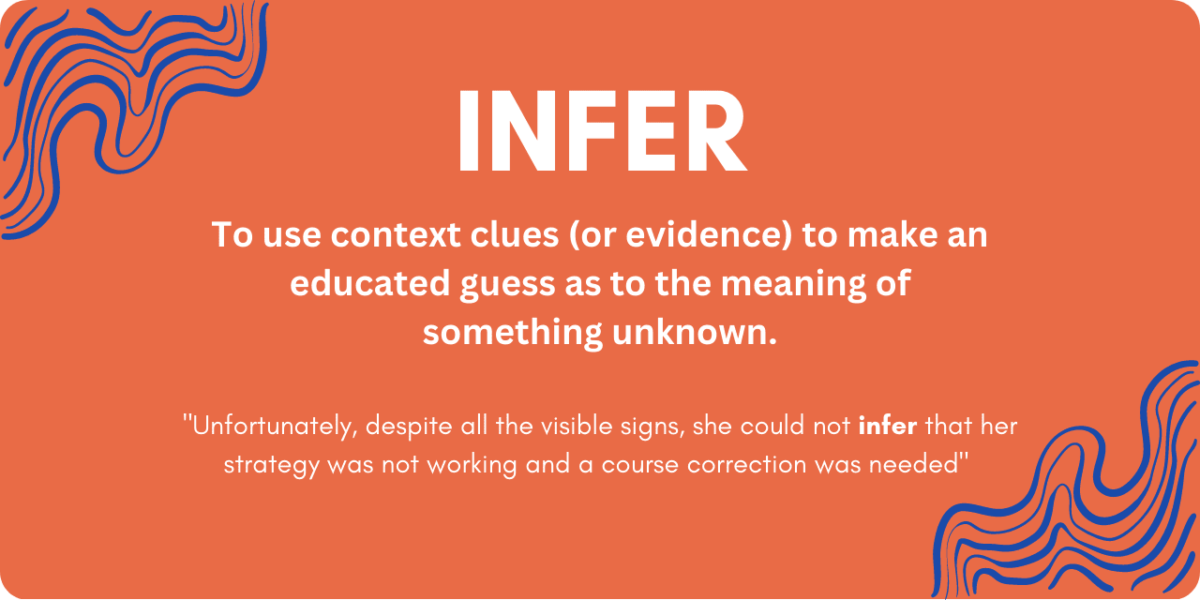
The beauty of understanding "infer" is that it unlocks other words as well. For instance, "infer" on its own means to deduce or conclude something from evidence. Think of it as "bringing in" information to form a conclusion. "Inference" is the act of drawing that conclusion. You are bringing in the available evidence to form a new understanding.
Here are some simple ways to explore word roots further: Try looking up the etymology of words you frequently use. Websites like Etymonline.com are fantastic resources. Next time you come across an unfamiliar word, break it down into its component parts and see if you recognize any roots or prefixes. Start a word journal and jot down interesting etymologies as you discover them. Play word games that focus on roots and prefixes. The more you engage with the history of words, the richer and more rewarding your understanding of language will become. Don't be intimidated; learning about word origins is like uncovering a hidden treasure map, leading you to a deeper appreciation of the power and beauty of language!
![[FREE] What does the root infer mean in the word inferior? After the](https://media.brainly.com/image/rs:fill/w:3840/q:75/plain/https://us-static.z-dn.net/files/d3e/50b3f1ca253f8e5f463b4bae610fa073.png)