
What Does The Red Triangle With The Exclamation Point Mean

Okay, let's talk about something that's probably popped up in your life more times than you can count, silently judging you from a screen, a dashboard, or even a street sign. You know the one: that little red triangle with the exclamation point inside. Ding, ding, ding! Suddenly, you're picturing it, aren't you? It's everywhere, and yet, do we ever really stop to think about its tiny, dramatic life?
Seriously, this isn't some deep philosophical dive into existential warning symbols. This is about appreciating the humble, yet incredibly effective, icon that makes us all go, "Uh oh, what now?" It's a universal language, a tiny sentinel standing guard, ready to shout "PAY ATTENTION!" without ever making a sound.
The Ubiquitous Messenger: Where Does It Pop Up?
Let's play a game: name a place you haven't seen it. Tricky, right?
Must Read
On your computer, it's the classic "Error!" icon. You've just spent an hour writing that email, clicked send, and BAM! Red triangle. "Message not sent." Your heart sinks. Or maybe it's "File not found." Cue the internal screaming and frantic clicking. It's the digital equivalent of a parent saying, "I'm not mad, I'm just disappointed." But somehow, it feels way worse.
In your car, it's practically a dashboard celebrity. Low tire pressure? Red triangle! Engine light acting moody? Red triangle! Your car just finished a particularly rough road trip and is staging a protest? You guessed it: red triangle. It's your car's way of passive-aggressively telling you to get your act together and maybe, just maybe, check the oil for once.

And don't even get me started on road signs! While the shape might shift a bit – sometimes an upside-down triangle (hello, Yield!), sometimes a diamond for specific warnings – the spirit of the red triangle with an exclamation point lives on. Construction ahead! Deer crossing! Slippery when wet! It's basically the road's way of saying, "Hey, human, wake up! Life's about to get interesting (or dangerous)."
Then there are the more subtle appearances: on packaging instructions ("Warning: May contain tiny parts!"), in appliance manuals ("Do not submerge in lava!"), or even on that quirky little gadget you just bought from who-knows-where. It's like a secret handshake among manufacturers and consumers: "Psst! Something important here!"
Why Red? Why a Triangle? Why the Exclamation?
Ever wonder about the design choices behind this tiny icon of doom (or mild inconvenience)? It's not just random. There's some serious psychology at play!
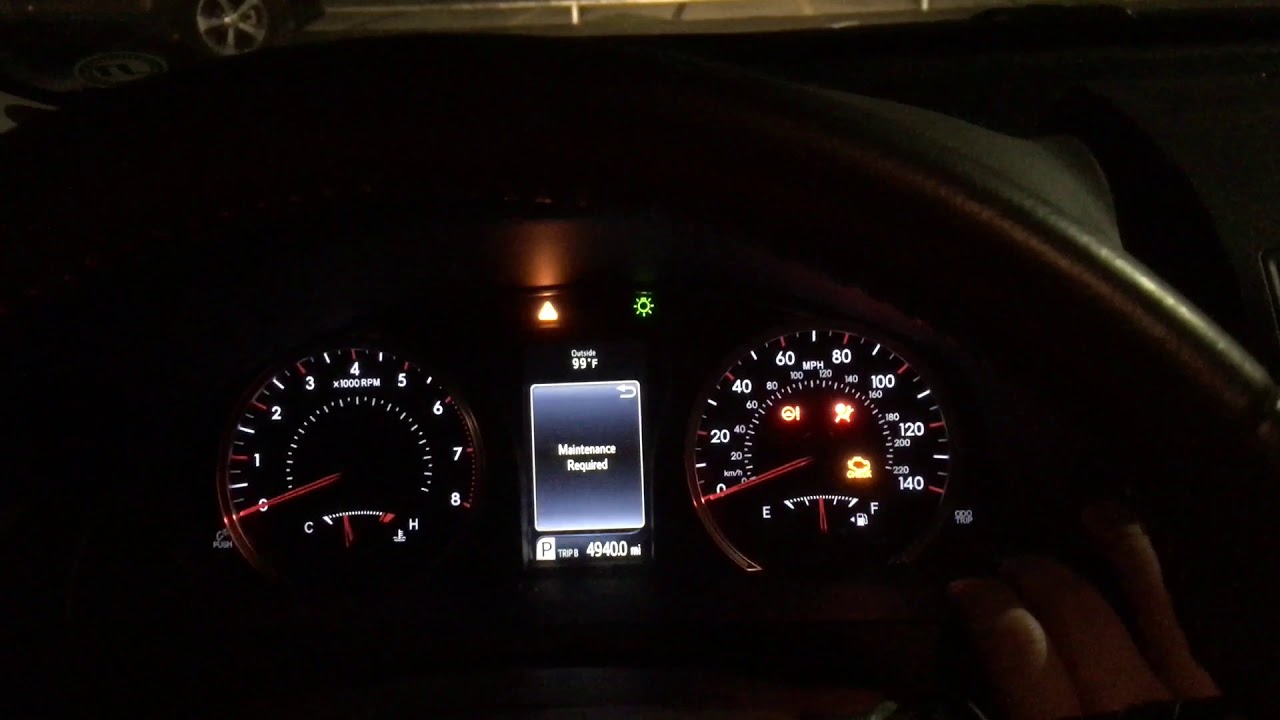
First, red. This isn't just a pretty color. Red screams "DANGER!" "STOP!" "LOOK AT ME!" It's primal. It grabs our attention faster than almost any other color. Think fire engines, stop signs, angry traffic wardens. Our brains are hardwired to react to red. It's the ultimate attention-grabber.
Then there's the triangle. Geometrically speaking, it's a super stable shape. But in symbology, it often points to something. In warnings, an upright triangle can symbolize stability or an upward trend in attention. An inverted one, like a yield sign, suggests a downward action – giving way. But combine it with red and an exclamation point, and it becomes a perfect little pointer, saying, "Hey, over here! Look here!"
And the exclamation point? Oh, that dramatic little fellow! It's not just a punctuation mark; it's a verbal gasp, a sudden shout. It transforms a calm statement into an urgent plea. Without it, it might just be a pretty red triangle. With it, it's saying, "This is NOT a drill!" or "Your car is about to spontaneously combust (probably)."

The Quirky Life of a Warning
What's really funny is how we've all developed a relationship with this symbol. Sometimes, it's a genuine "oh snap!" moment. Other times, it's a weary sigh. "Oh, it's you again." We might even ignore it for a while, like a teenager ignoring their alarm clock, only to face the consequences later. (Don't ignore the engine light, folks!)
Think about its ancestors: ancient civilizations probably had some equivalent, maybe a pile of rocks or a specific bird call, signifying "stay away, hungry sabertooth here!" We've just gotten a lot more sophisticated with our "don't die" messages.
It even pops up in pop culture. In video games, it often marks an objective, a dangerous zone, or a crucial piece of lore. Your character's health is low? Red triangle with an exclamation point! New mission available? Look for the red triangle! It's the universal sign for "something's happening, good or bad, but definitely significant!"

It's a tiny icon with a massive personality, capable of inducing everything from mild annoyance to genuine panic. It's a testament to good design that such a simple graphic can convey so much, so universally. It crosses language barriers, cultural divides, and even generational gaps.
So, What's the Takeaway?
Next time you see that little red triangle with its urgent exclamation point, give it a silent nod of appreciation. It's not just a pixelated graphic or a printed label; it's a tiny, dedicated messenger doing its very best to keep you informed, safe, and occasionally, just a little bit annoyed.
It’s a subtle reminder that even the smallest details in our designed world have a purpose, a history, and a touch of quirky charm. And who knows? Maybe it's just trying to tell you something really important, like "there's an epic snack waiting in the fridge" or "you forgot your keys again!"