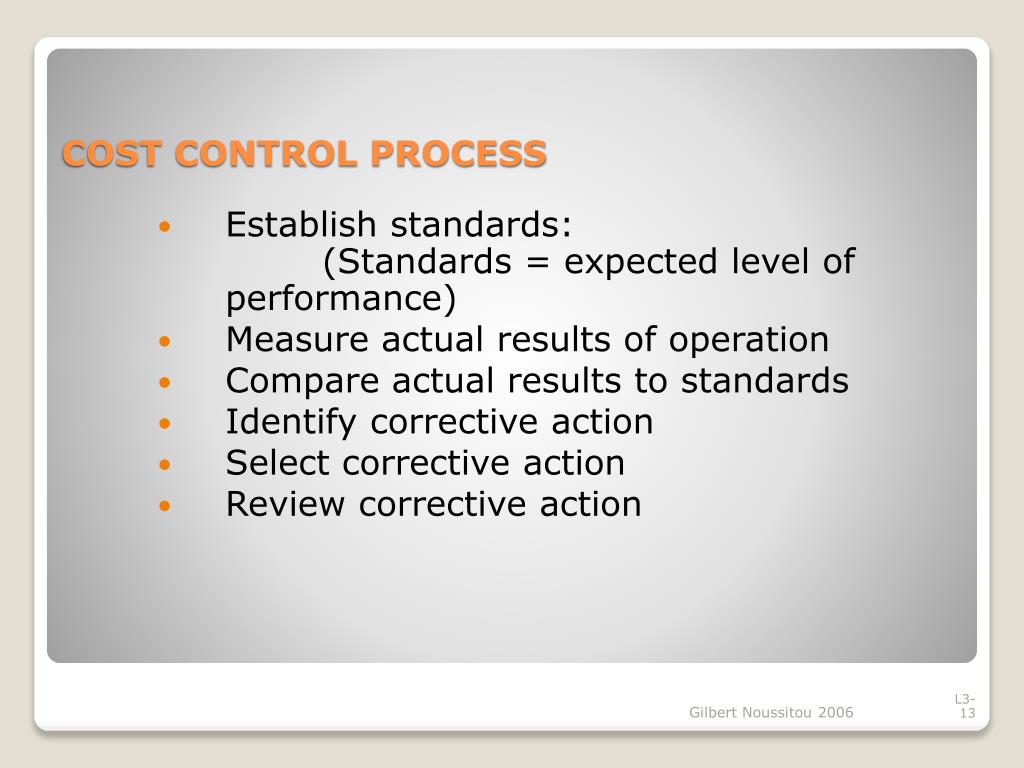
What Does The Process Of Controlling Costs Primarily Involve

Ever notice how some people seem to effortlessly manage their money, projects, or even their free time? They're not magicians, they're simply mastering the art of cost control! While it might sound dry and corporate, cost control is actually a powerful tool applicable to anyone, from artists dreaming of building a studio to hobbyists wanting to maximize their craft budgets, and even casual learners looking to get the most bang for their educational buck.
But what does this mysterious "cost control" actually involve? At its heart, it's all about smart resource management. It's not about being stingy or depriving yourself; it's about understanding where your resources (time, money, materials) are going and making conscious decisions to allocate them effectively. For artists, this could mean knowing exactly how much paint they use per canvas. For hobbyists, it might be tracking the cost of yarn per knitted scarf. For learners, it's figuring out the most cost-effective way to acquire new skills – online courses vs. in-person workshops, perhaps.
The benefits are numerous. Artists can afford more supplies and experiment with new mediums. Hobbyists can expand their repertoire without breaking the bank. Casual learners can access more learning opportunities. It also allows you to accurately price your artwork for sale, plan larger projects with confidence, and avoid the dreaded feeling of running out of supplies mid-creation.
Must Read
Let's look at some examples. Imagine a painter who meticulously tracks the cost of each color of paint. They might discover that they use a disproportionate amount of burnt umber, leading them to buy it in bulk for a significant discount. Or consider a knitter who meticulously weighs scraps of yarn. They could use these scraps for small, colorful projects rather than buying new skeins. A learner might compare the costs of different online learning platforms, weighing subscription fees against the number of courses offered and the quality of instruction.
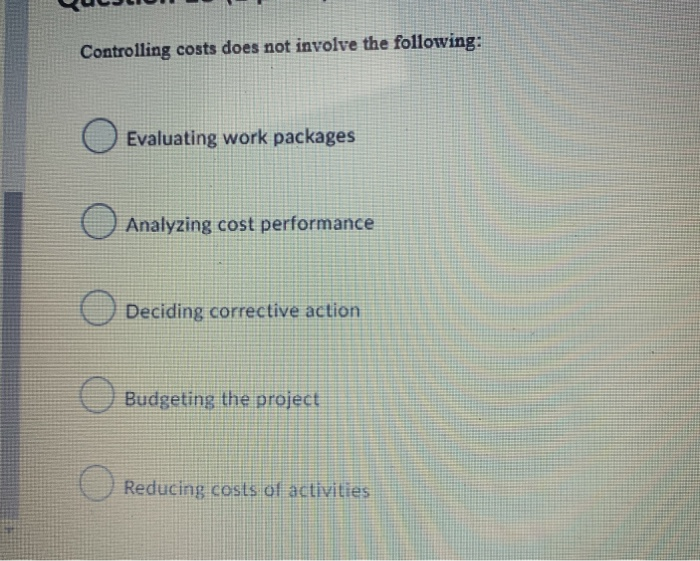
Ready to give it a try at home? Here are some tips:
- Track Your Spending: Keep a simple spreadsheet or notebook to record your expenses. Even rough estimates are better than nothing!
- Identify Areas for Improvement: Where is your money going? Are there areas where you can cut back or find cheaper alternatives?
- Set a Budget: Allocate a specific amount of money for your art supplies, hobby materials, or learning resources each month.
- Explore Alternatives: Can you find cheaper sources for materials? Can you borrow tools or equipment instead of buying them? Can you repurpose existing items?
- Plan Ahead: Buying in bulk, seeking discounts, and comparing prices can significantly reduce your costs.
Ultimately, cost control isn't just about saving money; it's about empowerment and freedom. It's about taking control of your resources and using them wisely to pursue your passions and achieve your goals. It’s the satisfaction of stretching your budget further, the excitement of finding a great deal, and the peace of mind knowing that you’re making informed decisions. And who doesn't enjoy a bit of clever resourcefulness? So, embrace the process, get creative with your budget, and watch your artistic or learning journey flourish!