
What Does The Date On The Battery Mean

Hey there, battery whisperer! Ever found yourself staring intently at a little battery, squinting at a string of numbers and letters, and thinking, "What in the world does that mean?" You’re not alone! It's one of life's little mysteries, right up there with "where do all my missing socks go?"
Well, grab a comfy seat (maybe not too close to a charging battery, safety first!), because we’re about to decode the secret language of battery dates. And trust me, it’s much less dramatic than a spy thriller, but just as interesting!
Is It An Expiration Date, Like Yogurt? Nope!
First things first, let's clear up a common misconception. When you see a date on a battery, your first thought might be, "Oh no, is this thing going to expire like my milk?" And while it’s a fair guess, for most everyday batteries, it’s not an expiration date in the 'it's going to turn sour and unusable' sense. Phew! You can put down that emergency battery for now.
Must Read
Think of it more like a tiny, secret timestamp from the battery factory. It’s usually a manufacturing date or sometimes a "best before" date for optimal performance rather than a strict "danger, do not use!" cutoff.
The Mighty Manufacturing Date: The Real MVP
For most batteries you pop into your remote, flashlight, or kids' noisy toys, that date is almost always the date the battery was born. Yep, its birthday! Knowing when it was made is actually super handy for a few reasons:

-
Warranty Worries: If you ever have an issue and need to contact the manufacturer (unlikely, but hey, stranger things have happened!), that date is their go-to for warranty claims.
-
Shelf Life Shenanigans: Even sitting on a shelf, batteries slowly, ever so slowly, lose a tiny bit of their charge. We're talking super gradual here, like watching paint dry, but over many years, an older battery might not be quite as peppy as a brand-new one. This date gives you a general idea of its "freshness."
-
Tech Upgrades: Battery tech keeps improving! A battery made last year might be slightly more efficient than one from five years ago. This isn't usually a deal-breaker for basic AAAs, but it's something to keep in mind for more specialized batteries.
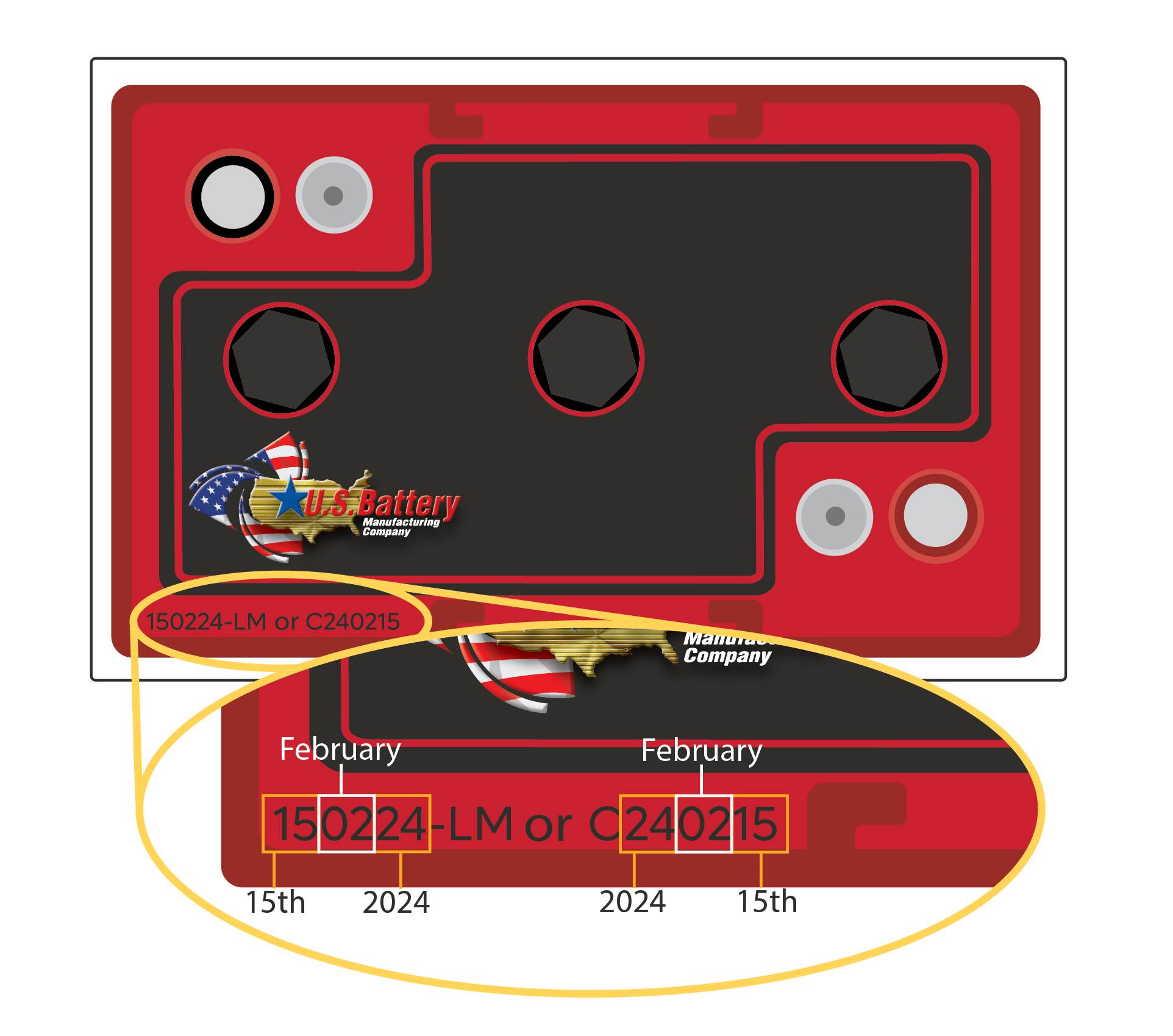
How to Read Battery Date Codes | U.S. Battery Mfg. Co.
Decoding the Mystery Codes: It's Not Always MM/DD/YYYY
Now, here’s where it gets a little wild. Manufacturers don’t always make it easy for us battery detectives. Sometimes you’ll see a nice, clear MM/DD/YYYY. Other times? It’s a puzzle!
You might find a Julian date code (like a five-digit number where the first two are the year, and the next three are the day of the year – confusing, right?), or a series of letters and numbers that only the battery gods understand. If you’re really curious about a specific, cryptic code, your best bet is to check the manufacturer's website. They often have a handy guide to decipher their own secret squirrel codes.
Different Batteries, Different Vibes
While the manufacturing date rule generally applies, some batteries treat dates a little differently:
-
Alkaline Batteries (AA, AAA, etc.): These guys have a super long shelf life, often 5-10 years. So, a manufacturing date a year or two ago is absolutely no biggie. They're built to last!
-
Rechargeable Batteries (Li-ion, NiMH): For these, especially in devices like laptops or phones, the manufacturing date is a bit more critical. While they don't expire like milk, their overall capacity and performance can degrade over many years, even if unused. Newer is generally better for peak performance here.
-
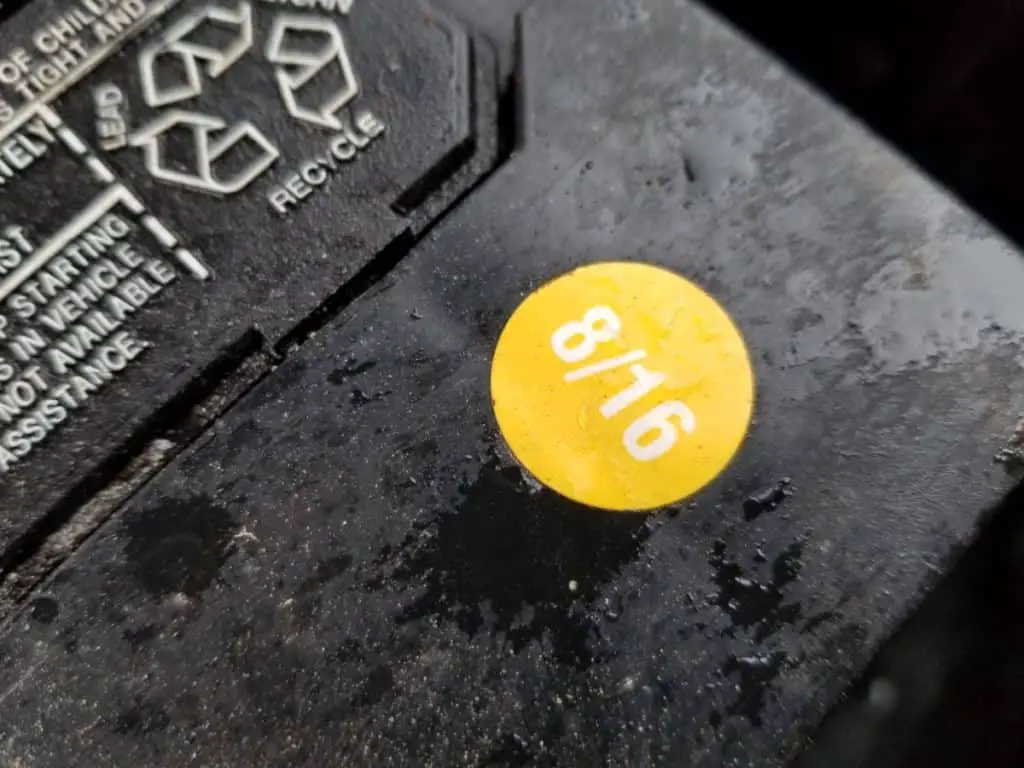
Car Batteries: Ah, the big boys! Car batteries have active chemicals and a much harder life. Their manufacturing or "installed by" date is very important. An old car battery, even if unused, won't last as long as a fresh one once it's put to work. You'll usually find an easy-to-read sticker on these.

Batteries 101 - A Guide to Automotive BatteriesNAPA Know How Blog
The Takeaway: Don't Sweat The Small Stuff!
So, what's the grand conclusion to our battery date quest? Mostly, it’s this: don't panic! The date on your average battery is primarily for the manufacturer's tracking and your general information. It's a whisper of its history, not a shout of its impending doom.
If you pick up a pack of batteries and the date isn't "yesterday," that's perfectly fine. As long as they've been stored properly (cool, dry place, away from other metal objects), they're likely ready to power up your world without a fuss.
Batteries are amazing little powerhouses, quietly fueling our gadgets and making our lives easier every single day. So next time you spot that date, give a little nod of understanding, maybe even a tiny wink, and remember: it's just a friendly reminder of when your trusty power pal began its journey to bring light and life to your world. Keep shining!