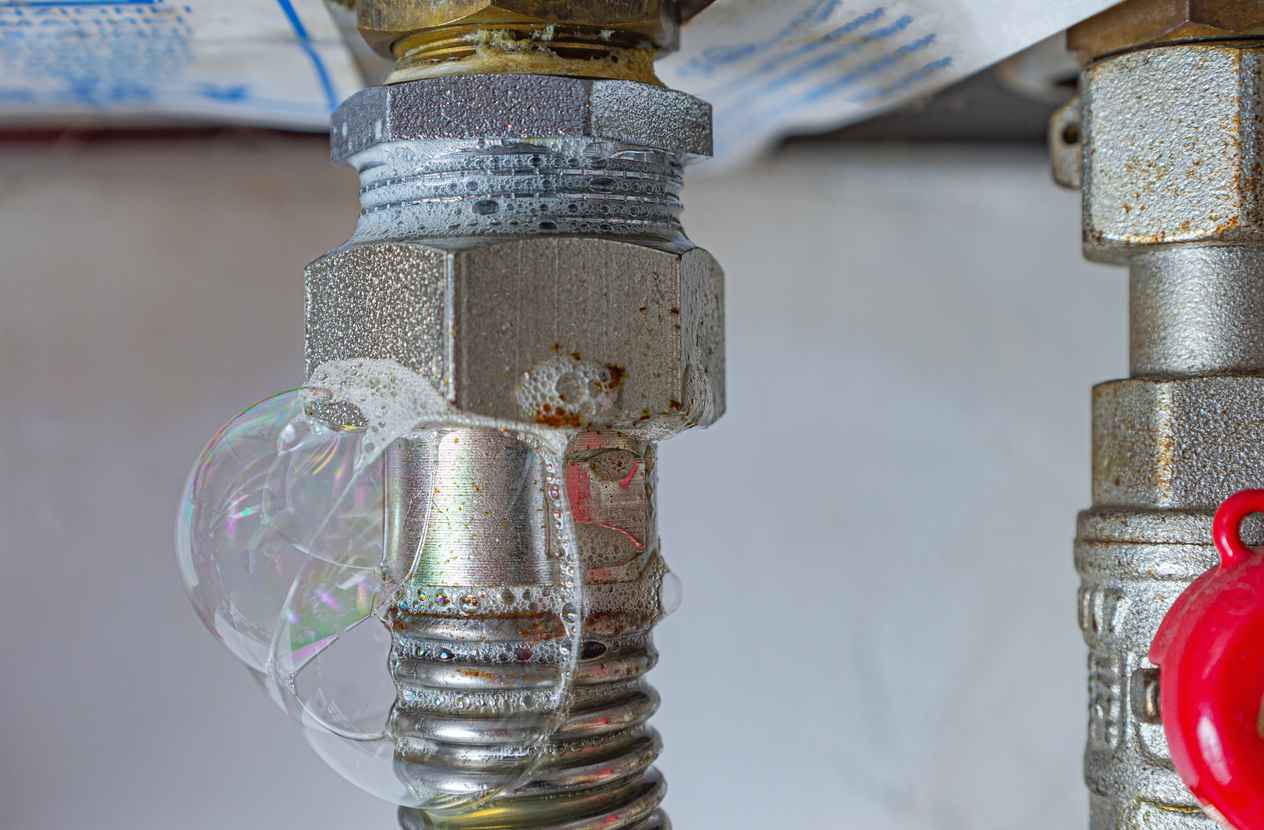
What Does Leaking Gas Smell Like

Alright, let's talk about something a little whiffy, but super important: the smell of leaking gas. Now, you might be thinking, "Gas? Isn't that an invisible, odorless thing?" And you'd be half right! Pure natural gas is indeed a sneaky scent-free specter. But thankfully, the clever folks at the gas company add a special ingredient to it, specifically so we can smell it if there's a leak. It's like your very own built-in warning system, delivered straight to your nose!
So, What's That Smell?
Imagine this: you open your fridge, and lurking in the very back, behind that forgotten jar of pickles, is a carton of eggs that's definitely seen better days. You know that unmistakable, pungent aroma? That's pretty close! Most people describe the smell of leaking gas as a strong, unpleasant odor of rotten eggs or sulfur.
It's not a subtle hint, either. It's usually quite pronounced. Think of it like a skunk decided to visit your house, but instead of the usual musky spray, it's more like a really, really old hard-boiled egg that's been left out in the sun. Or perhaps a really strong whiff of boiled cabbage, but with a more metallic, chemical edge. It's truly unique, and once you smell it, it's hard to forget.
Must Read
The additive that gives natural gas its distinctive smell is called mercaptan, and it’s specifically chosen because it’s so pungent and easy for us humans to detect, even in small concentrations. It’s like nature’s way of shouting, "Hey, pay attention!" through your nostrils.
Why Should You Care (Besides the Gross Smell)?
Okay, so it smells bad. Really bad. But beyond the immediate "Ew!" factor, there's a much bigger reason to pay attention to that rotten egg odor: safety. That smell is your house's way of sending you an urgent text message, saying, "Hello, friend, we have a situation!"

Ignoring that smell is a bit like ignoring your car's "check engine" light, but with potentially much more serious consequences. Natural gas is highly flammable. A leak, if left unattended, can lead to some pretty scary stuff – think fires or even explosions. It’s not about being alarmist, it’s about being smart and safe in your own home.
Imagine you’re baking cookies, and suddenly you realize the oven is smoking because you forgot to take out that casserole from last night. You wouldn't just shrug and keep baking, right? You'd spring into action! Smelling gas is similar, but instead of a burnt casserole, it's a potential safety hazard for your whole home and everyone in it.
It’s also important to know that while carbon monoxide is the "silent killer" that you can't smell, natural gas leaks (which you can smell) can also displace oxygen in enclosed spaces, leading to dizziness, nausea, and disorientation if exposed for too long. So, your nose isn't just protecting you from a bang, it's also looking out for your immediate well-being!
What to Do If Your Nose Rings the Alarm
If you catch a whiff of that unmistakable rotten egg smell, here's the super-important, totally non-panic-inducing, common-sense game plan:

- Don't dawdle: Your first and most important move is to get out of the house. Don't grab your keys, don't check your email, just leave immediately.
- No sparks allowed: This is crucial! Do not turn on or off any lights, use your phone, open your garage door, or operate any electrical switches or appliances. Even a tiny spark could be enough to ignite accumulated gas. It's like playing a game of "don't touch the lava."
- Open windows and doors if you can: If you're leaving, and it's safe to do so without delaying your exit or creating a spark (i.e., you don't need to fumble with a lock), opening a window or door can help dissipate the gas. But again, safety first, exit quickly.
- Call from a safe distance: Once you're well away from the house (think across the street or at a neighbor's place), call your gas company's emergency line or 911. Tell them exactly what you smell and where.
- Don't try to be a hero: Please, please, please do not try to find the source of the leak or fix it yourself. Leave that to the professionals. They have the right tools and training for a reason.
Where Might You Catch a Whiff?
You might smell gas near appliances that use it – like your stove, oven, water heater, furnace, or clothes dryer. Sometimes it can be near the gas meter outside your home, or even in a basement or utility room where pipes are tucked away. Basically, anywhere natural gas is doing its thing, a leak could happen.
So, next time you're puttering around your home, give your nose a little credit. It's working overtime as your personal safety detective. That strange, sulfurous, rotten-egg smell isn't just an unpleasant odor; it's a vital heads-up from your home's gas system. Listening to it is one of the easiest, most important ways to keep yourself and your loved ones safe. Stay smart, stay safe, and let your nose lead the way!