
What Does It Mean When The Sirens Go Off
Alright, settle in, grab your coffee – preferably one that’s not easily spillable, because we’re about to dive into one of life’s great, jarring mysteries: What in the blazes does it mean when the sirens go off? You know the drill. You’re minding your own business, perhaps contemplating the existential dread of laundry day, or maybe just enjoying a particularly good meme, when suddenly – WAAAH-OOOH-WAAAH-OOOH!
Your heart leaps into your throat, performs a tiny, frantic jig, and then tries to escape via your ear canal. You freeze. Is it the apocalypse? Did I accidentally sign up for a bizarre flash mob? Is it just my neighbor’s new, incredibly aggressive alarm clock? The thoughts race, usually culminating in: "Is it... for me?!"
Spoiler alert: Probably not. But let’s break down the symphony of screams that occasionally grace our soundscapes, because understanding is half the battle (the other half is resisting the urge to duck and cover under your kitchen table).
Must Read
The Everyday Screamers: Emergency Vehicles
These are your bread and butter sirens. The most common offenders. We’re talking about the police cars, fire trucks, and ambulances tearing down the street like they’re late for a very important, life-saving appointment (which, to be fair, they usually are). Their sirens are designed to do one thing: get attention, and get it fast. They need you to know they’re coming, so you can safely get out of the way.
When you hear these, the proper response isn't to wonder if you left the stove on or if that parking ticket from 2008 has finally caught up to you. It's to stay calm, look around, and if you’re driving, safely pull over to the side of the road. Give them space. They’re not playing a high-stakes game of 'chicken' with your sedan. They’re trying to help someone, somewhere, maybe even save a cat from a tree – a very urgent cat.
Fun fact: The effectiveness of sirens is actually a hot topic! Some studies suggest we tune them out due to constant exposure, leading to discussions about varying frequencies or even different types of sounds to cut through urban noise. So, while they might sound like the same old wail, a lot of brainpower goes into making them really annoying, but also really effective.
The Big Bad Woop-Woops: Weather & Disaster Warnings
Now, these are the sirens that make you actually pause your Netflix binge. These aren't just passing by; they're usually stationary, mounted on poles, and they're screaming for a reason. We're talking tornado sirens, tsunami warnings, or even historic air-raid sirens (thankfully less common these days, unless you're watching a period drama). Their sound is often a continuous, rising and falling tone, sometimes a sustained flat tone – a sound that just feels serious.
When you hear one of these, it's time to put down the meme, pick up your phone, and check your local news, weather app, or emergency alert system. These sirens mean a widespread danger is imminent or already occurring. They’re not for a fender bender; they’re for when Mother Nature decides to redecorate your entire county with strong winds or really, really big waves.
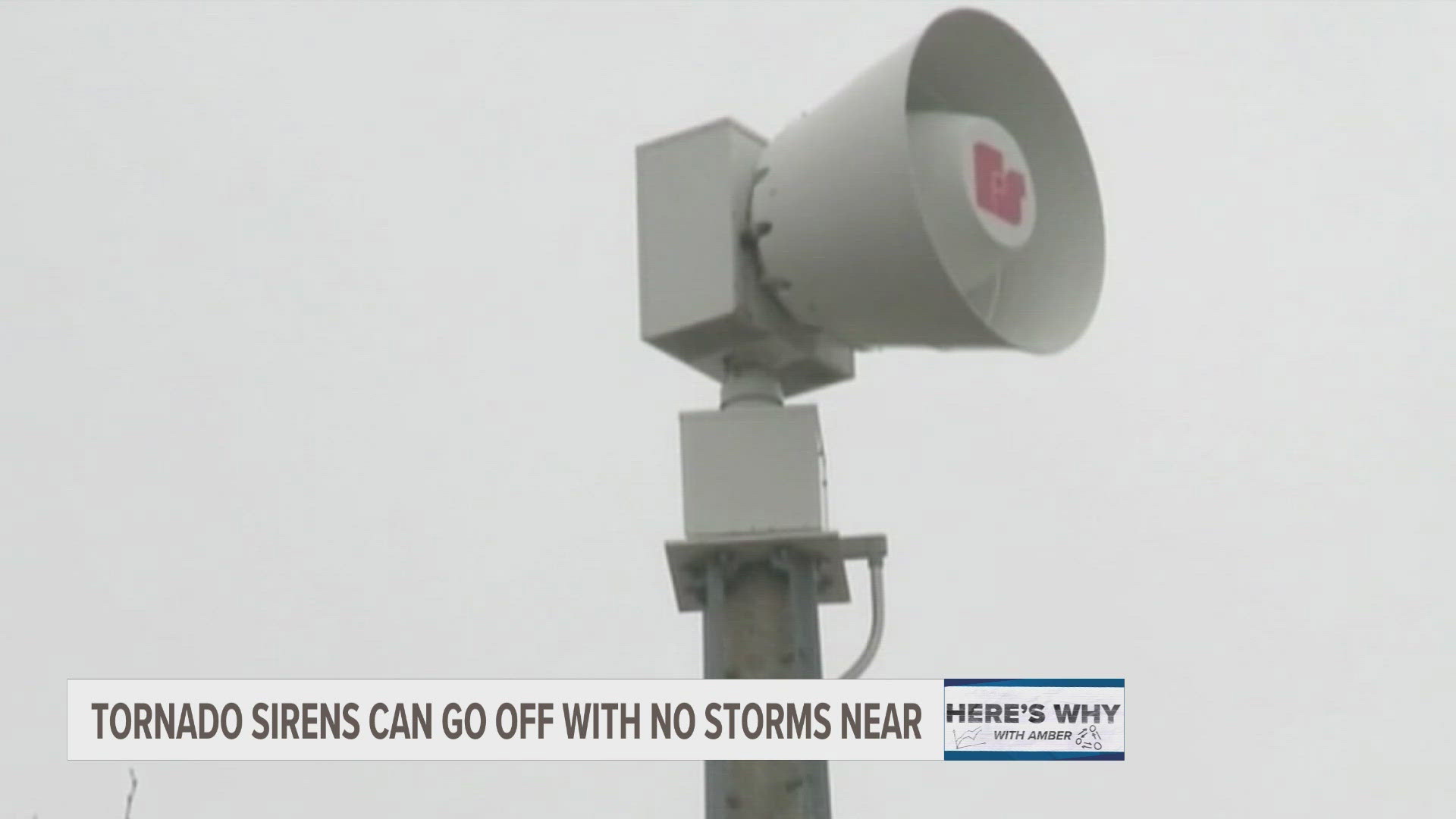
Do NOT assume it’s a test unless you have confirmation. Always err on the side of caution. If it’s a tornado siren, you should be heading to your basement or an interior room. If it’s a tsunami, you should be heading to higher ground, preferably with a really strong swimming arm. And maybe, just maybe, grab that non-spillable coffee on the way.
The Localized Shriekers: Industrial & Specialized Alarms
Less common for the general populace, but absolutely critical for those in proximity, are the sirens from industrial plants, chemical facilities, or even military bases. These are very specific warnings for very specific dangers. Think chemical leaks, plant evacuations, or security breaches. Their patterns can vary wildly, from short bursts to distinct, coded sequences.
If you live near such a facility, it's crucial to know your local emergency protocols. They usually have designated sounds for different events, and knowing what each one means could genuinely save your hide. This isn't the time for guesswork; this is the time for remembering that pamphlet they sent in the mail two years ago that you used as a coaster.

The key here is local knowledge. Don't rely on global internet trends; check your city's official website, or the facility's public safety information. These sirens are often the first line of defense for a community, giving precious minutes to react to a localized threat that might not be broadcast on national news.
The Ultimate Prankster: Testing Sirens
And then there's this guy. The siren that makes your heart stop, your palms sweat, and then after a full minute of existential dread, you remember: "Oh, right. It’s the first Wednesday of the month." Or Tuesday. Or some other regularly scheduled time when your local emergency system decides to remind everyone it still exists and works perfectly.
These are, arguably, the most annoying of the siren family, purely because they illicit the same immediate panic response without any actual danger. It’s like being startled by a rubber snake every single week. But they are vital! Regular testing ensures the system functions when a real emergency strikes. Imagine if the tornado siren only worked after the tornado had already rearranged your patio furniture.
So, how do you tell if it’s a test? Simple: check your local government’s website, listen to local news, or ask a seasoned local. Many areas have a set schedule (e.g., "first Monday at noon"). If you know it's a test, then feel free to roll your eyes, finish your coffee, and maybe even give a little sarcastic wave to the nearest siren pole. You've earned it.
So, What Does It All Mean?
Ultimately, when the sirens go off, it means pay attention, but don't panic. Most of the time, it's an emergency vehicle needing to get somewhere fast. Sometimes, it's a scheduled test, which is just the universe playing a tiny, loud prank on you. And in those rare, truly serious moments, it's your local government giving you a vital heads-up to stay safe.
The moral of the story? Stay informed about your local area’s emergency procedures, don’t jump to conclusions, and maybe invest in a good pair of noise-canceling headphones for those monthly tests. And remember, your ex isn’t likely to have their own personal siren. Probably. Unless they really, really want that sweater back.