
What Does It Mean When A Carbon Monoxide Detector Beeps

Alright, settle in, grab your imaginary latte. We need to talk about that sound. You know the one. That insistent, utterly joyless electronic BEEP-BEEP-BEEP! that pierces the quiet of your home faster than a toddler discovers permanent markers. We're talking, of course, about your carbon monoxide (CO) detector, and what it's trying to tell you when it decides to serenade your living room.
For many of us, the first reaction to this particular auditory assault is usually a bewildered scan of the room, followed by the hopeful thought, "Is that… a smoke detector? Is my toaster finally staging its rebellion?" Nope. If it’s your CO detector, it’s a whole different ballgame. This isn't your fire alarm screaming about that forgotten pizza; this is your unsung hero, the tiny plastic sentinel, potentially saving you from a silent, invisible villain.
Meet the Villain: Carbon Monoxide
Carbon monoxide is like the ninja of dangerous gases. It’s colorless. It’s odorless. It’s tasteless. Basically, it’s the perfect antagonist for a suspense movie, lurking in the shadows without so much as a villainous cackle. It forms when fuels like gas, oil, coal, and wood don't burn completely. Think furnaces, gas stoves, water heaters, fireplaces, car exhausts (never idle a car in a closed garage!), and even those trusty portable generators you pull out during a power outage.
Must Read
The scary part? CO messes with your blood's ability to carry oxygen. It latches onto your red blood cells with about 200 times more tenacity than oxygen does. So, while you're merrily breathing, your body is slowly suffocating on the inside. Early symptoms? Headache, dizziness, nausea, fatigue – basically, every symptom of a bad hangover or a really rough Tuesday. Which, naturally, makes it even trickier to spot without a detector.
The Beep Spectrum: What's Your Detector's Mood?
Your CO detector isn't just a one-trick pony; it has a whole range of beeps, each with its own special message. Let's decode its cryptic language.
1. The "OMG, Get Out Now!" Beep: The High-Level Alarm
This is the big one. The serious, heart-stopping, continuous, rapid, and loud series of beeps. Often, it's four short beeps followed by a pause, repeated over and over again. This means your detector has sensed a potentially dangerous level of carbon monoxide.
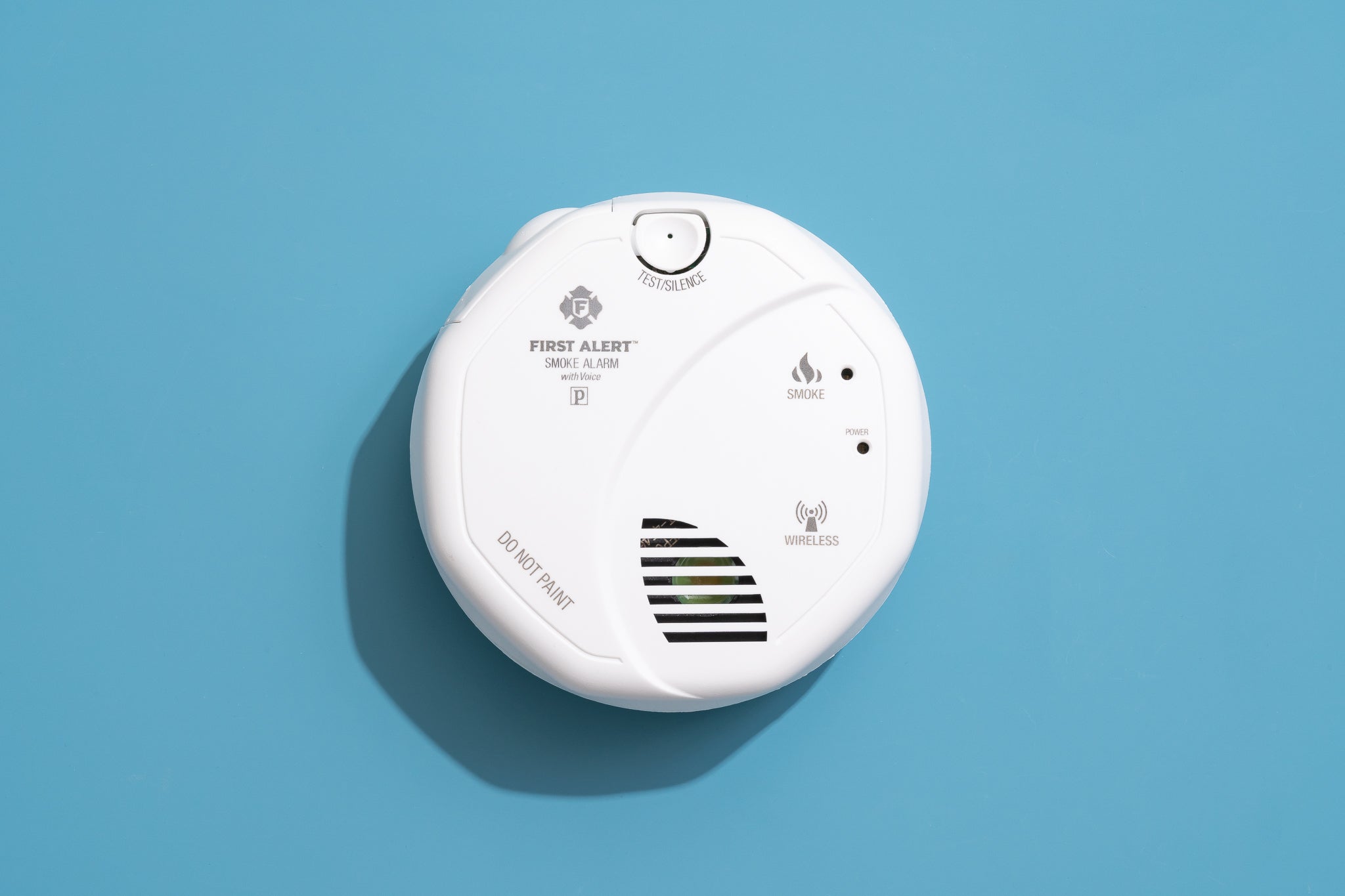
When you hear this, it's not the time to investigate, sniff the air like a bloodhound (remember, you can't smell it!), or Google "what to do carbon monoxide detector beeping." This is the "drop everything and run like your hair is on fire (but without the fire!)" alarm.
What to do:
- Immediately evacuate everyone, including pets, from the building. Don't dilly-dally trying to grab your phone charger or your favorite coffee mug.
- Once outside, call 911 or your local fire department. Tell them your CO detector is alarming. They have the fancy equipment to safely check CO levels.
- Do not re-enter your home until emergency services give you the all-clear.
2. The "Hey, I Need New Batteries!" Chirp: The Low Battery Warning
Ah, the classic. This is usually a single chirp or beep, every 30 to 60 seconds. It’s less urgent, more nagging. Your smoke detector does this too, and it's equally annoying. It’s your detector’s way of saying, "Look, I'm trying to protect you, but I'm running on fumes here!"
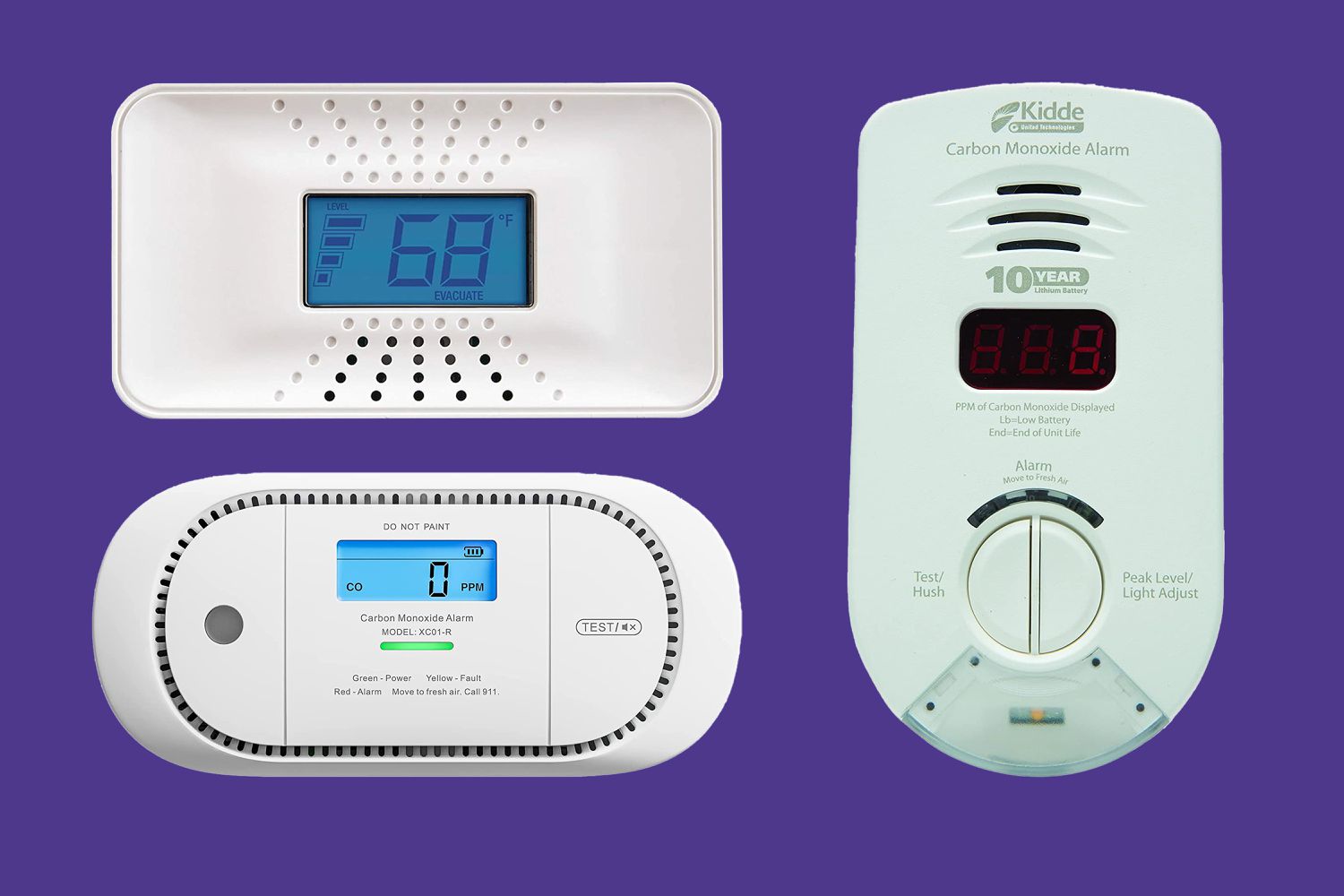
This isn't an emergency, but it is an urgent plea for attention. Ignoring this chirp is like ignoring your car’s gas light – you know it’s going to catch up with you eventually, probably at the most inconvenient time.
What to do:
- Replace the batteries immediately. Most CO detectors use AA or 9V batteries.
- Even if your detector is hardwired, it likely has a battery backup that needs refreshing.
- While you’re up there, give it a quick dust-off. They collect gunk like nobody’s business.
3. The "I'm Old and Need Replacing!" End-of-Life Warning
Surprise! CO detectors don’t last forever. Most have a lifespan of about five to seven years (check the manufacturing date on the back of yours). When they're ready to retire, they usually emit a specific series of beeps – often five short beeps every minute. This isn't a low battery and it's not a CO alert; it's your detector waving a tiny white flag, indicating it's done its duty and needs to be honorably discharged.
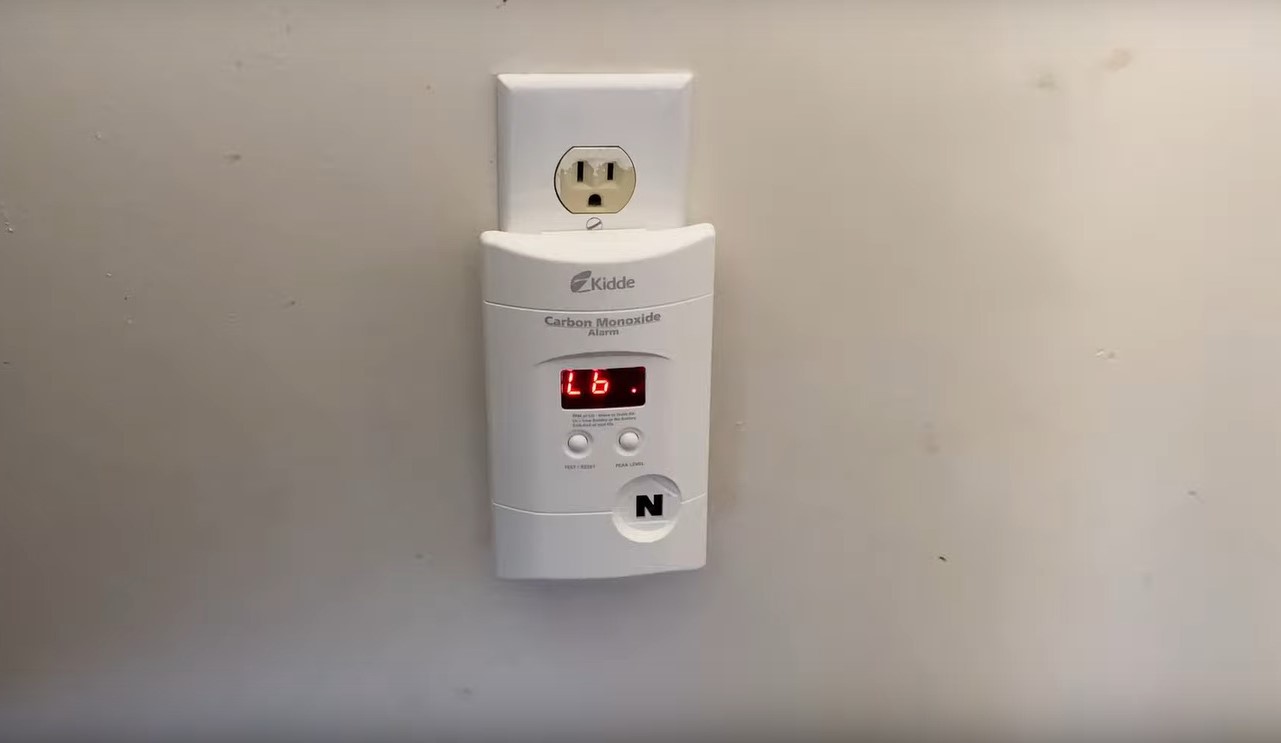
This is a super important, often overlooked fact! A detector past its prime might not work correctly, which totally defeats the purpose of having one.
What to do:
- Buy a new carbon monoxide detector. Seriously, just do it. It’s one of the cheapest forms of life insurance you can get.
- Don't just replace the batteries; the sensor itself degrades over time.
4. The "Something's Wrong with Me!" Malfunction Beep
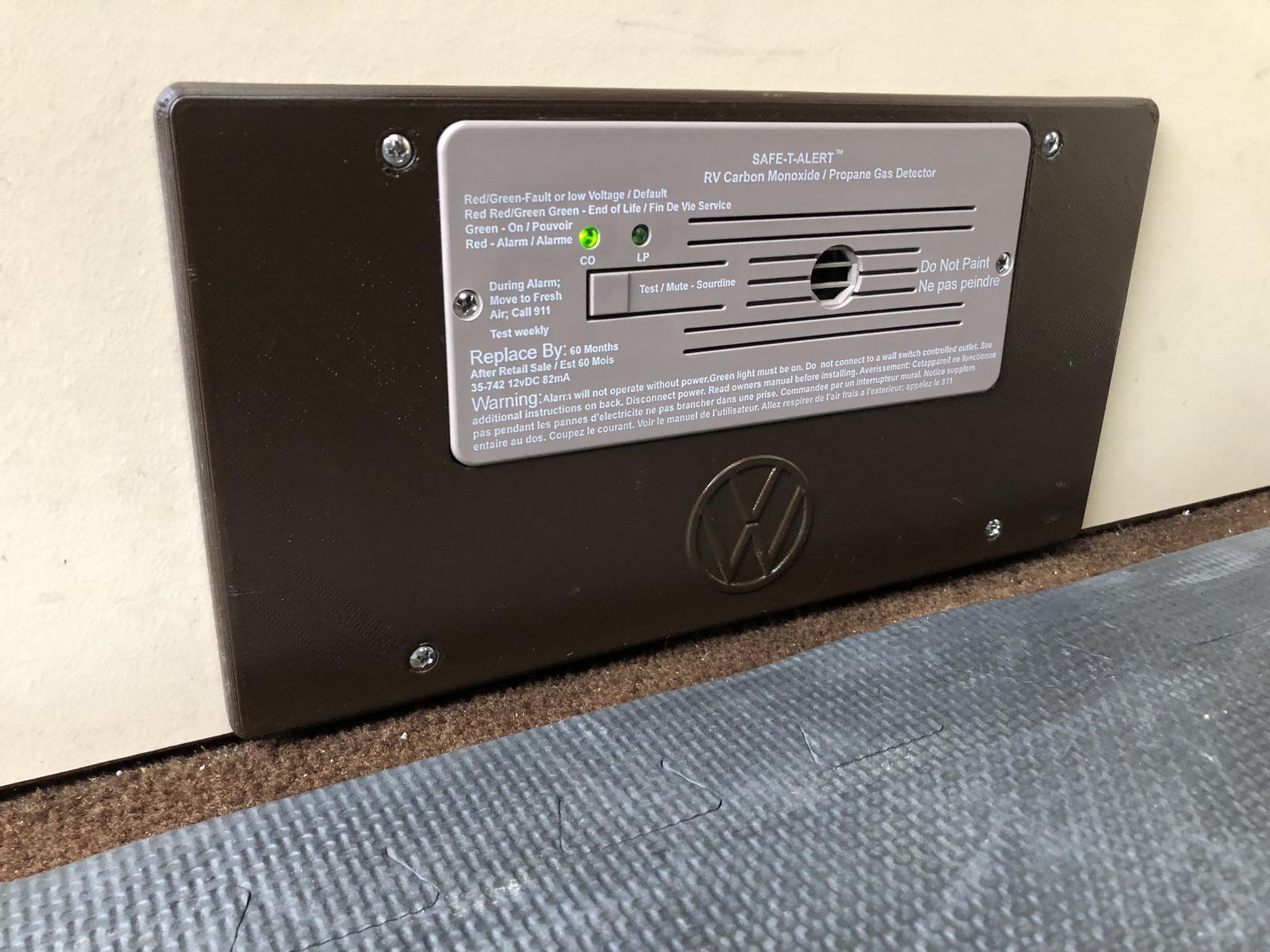
Less common, but possible. Your detector might have a specific beep pattern (often three short beeps) to indicate a fault or malfunction. Consult your detector's manual (yes, that mythical document you probably tossed!) for specifics. If you can't find it, a quick search online with your detector's make and model should help.
What to do:
- If it's a persistent malfunction beep, and replacing batteries doesn't help, it's best to replace the unit. Better safe than sorry!
The Bottom Line: Don't Ignore the Beep
So, the next time your carbon monoxide detector starts doing its thing, don't just sigh dramatically and think about tossing it into the nearest dumpster. Listen to what it's telling you. It might be a simple plea for new batteries, a graceful retirement announcement, or, most importantly, a life-saving warning.
Your CO detector is your silent guardian, your unsung hero, the tiny little plastic box that might just prevent you from having the world's worst (and last) "bad hangover." So, treat it right, replace its batteries, and for goodness sake, if it yells "OMG, GET OUT NOW!", listen. Your future self (who will hopefully be enjoying many more lattes) will thank you.