
What Does Csi Stand For In Automotive
Okay, so picture this: a few years back, I finally decided it was time to upgrade my trusty, slightly dented jalopy. I’d done my research, test-driven a couple of beauties, and eventually settled on a sleek, fuel-efficient marvel. The sales experience was, dare I say, fantastic. I felt like royalty. They offered me coffee, laughed at my terrible jokes, and made the paperwork feel like a breeze. I drove off the lot feeling like I’d just won the lottery.
Then… radio silence. Crickets. Not a peep. A week later, my check engine light came on (of course it did), and suddenly, getting a call back felt like trying to solve a cold case. The initial sparkle was gone, replaced by a dull, slightly frustrating hum. It made me wonder: what happened to all that love and attention?
Sound familiar? Because it did to me, and it made me realize how important the entire customer journey is, not just the flashy start. And that, my friends, brings us neatly to a term you might have seen floating around in the automotive world, but probably never really understood: CSI.
Must Read
No, It's Not About Fingerprints on a Hubcap!
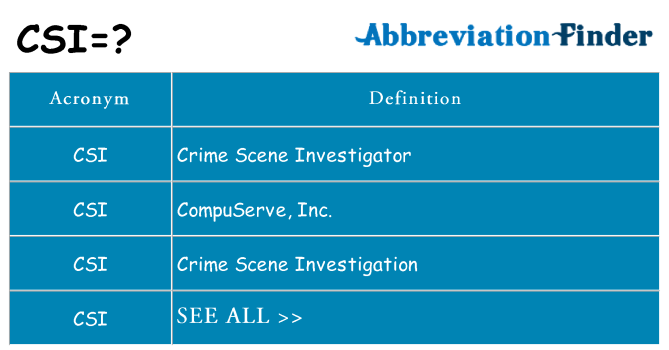
Now, if you’re anything like me, your mind probably immediately conjures images of trench coats, gritty forensics labs, and highly dramatic lighting whenever you hear "CSI." I can practically hear the "YEEAAHHH!" from the CSI: Miami intro. But I promise you, in the automotive industry, CSI has absolutely nothing to do with solving crimes or examining tire tracks at a crash scene.
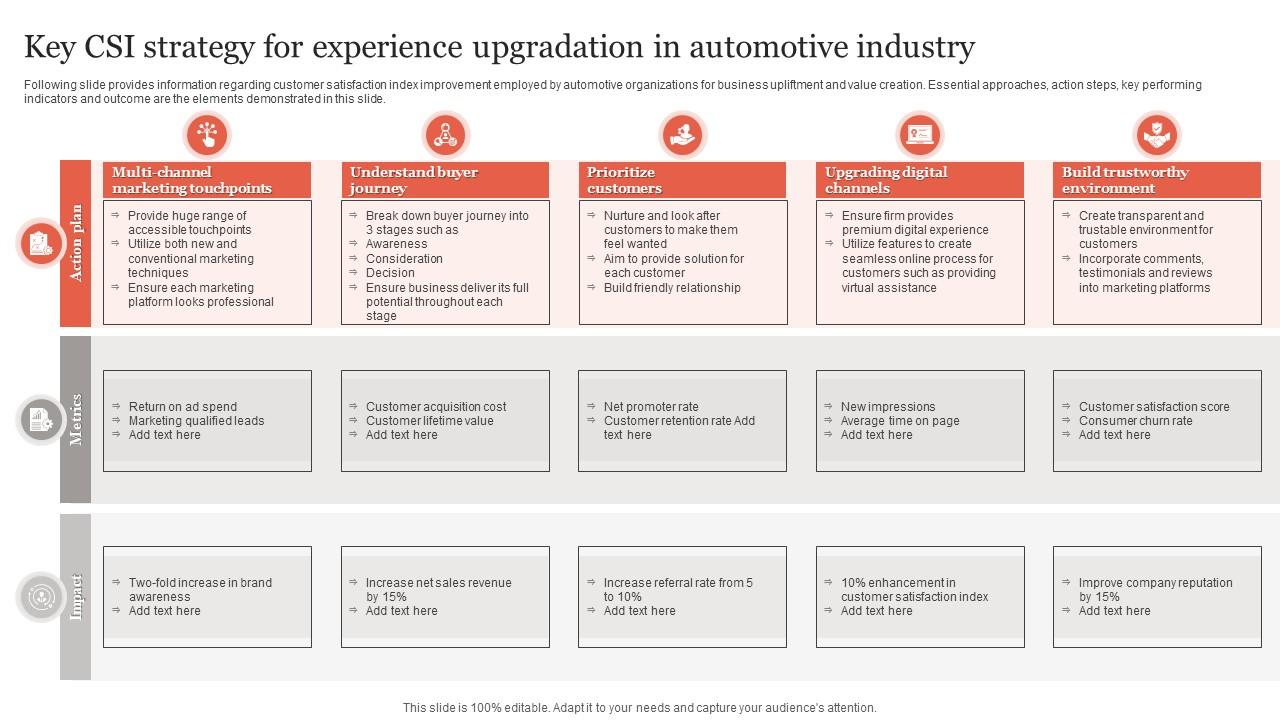
So, let's clear up the confusion right now: CSI in automotive stands for Customer Satisfaction Index. Sometimes you'll hear it called Customer Satisfaction Indicator, but the idea is the same. It's basically a fancy way for car manufacturers and dealerships to measure just how happy (or unhappy, let’s be real) their customers are with their experience. From the moment you step onto the lot to years down the road when you’re bringing your car in for its 50,000-mile service, CSI is all about gauging your sentiment.
Why Even Bother with This "CSI" Thing?
You might be thinking, "Who cares? As long as my car works, I'm good." And while that's a fair point, CSI is actually a huge deal for businesses. Why?
For starters, happy customers are loyal customers. If you had a great experience buying your car, and then an equally stellar experience getting it serviced, guess where you’re going to go for your next vehicle? Exactly! Repeat business is the lifeblood of any dealership.
Then there's the power of word-of-mouth (or, more accurately these days, word-of-internet). A customer who had a fantastic experience is likely to tell their friends, family, and every online forum they frequent. And a customer who had a truly rotten time? Oh, they’ll tell everyone, too, but with much more enthusiasm and often, a lot more detail! Your CSI score directly impacts a dealership’s reputation and, ultimately, their bottom line.
For you, the customer, it means dealerships are theoretically striving to give you a better experience. They’re trying to listen, to improve, and to keep you coming back. Think of it as a constant feedback loop designed to make the car world a little less painful for everyone involved.
How Do They Even Measure This Magical Index?
Ah, the million-dollar question! CSI is primarily measured through surveys. Yep, those long, sometimes repetitive questionnaires you get in your email or mailbox shortly after you buy a car or have it serviced. These surveys often ask you to rate everything from the cleanliness of the waiting area to the knowledge of the service advisor, usually on a scale of 1 to 10.
Many dealerships have internal goals for these scores, often aiming for perfect 9s or 10s. This is why you sometimes get that slightly awkward conversation at the end of your service where the advisor says something like, "When you get our survey, we'd really appreciate it if you gave us all 10s!" Don't laugh, they're often incentivized or evaluated based on those scores. It’s their report card, basically!
Beyond formal surveys, companies also keep an eye on things like online reviews (Google, Yelp, etc.), social media mentions, and even direct feedback channels. They're constantly trying to get a pulse on what you, their customer, are feeling.
The Ups and Downs of the CSI Game
Like any system, CSI has its perks and its quirks. The upside is clear: it pushes businesses to be better. It gives them concrete data to identify pain points and areas for improvement. If dozens of customers complain about slow service, the dealership knows exactly where to focus their efforts.

The downside, however, is that sometimes the pressure to achieve high scores can lead to a bit of "gaming the system." This is where you get those overt requests for perfect scores, which can feel a little disingenuous. It shifts the focus from genuinely excellent service to simply getting a high survey response. But, hey, at least they're trying, right?
So, What's the Takeaway for You?
Next time you receive one of those CSI surveys, don't just toss it in the digital trash bin. Take a few minutes to fill it out honestly. Your feedback truly matters. It's your chance to influence how dealerships operate, how cars are sold, and how services are delivered.
You have the power to reward great service and highlight areas that need improvement. So, go ahead, channel your inner detective, not to solve a crime, but to help build a better, more customer-focused automotive experience for everyone. And who knows, maybe next time your check engine light comes on, you'll actually get a call back right away. One can dream, right?