What Does Agm On A Battery Charger Stand For
Let's face it, battery chargers aren't exactly the life of the party. But understanding those little settings on them – like "AGM" – can actually save you money, prevent frustration, and even extend the life of your batteries! So, while it might not sound thrilling, decoding these acronyms is surprisingly useful. Think of it as a little bit of battery-charging superpowers.
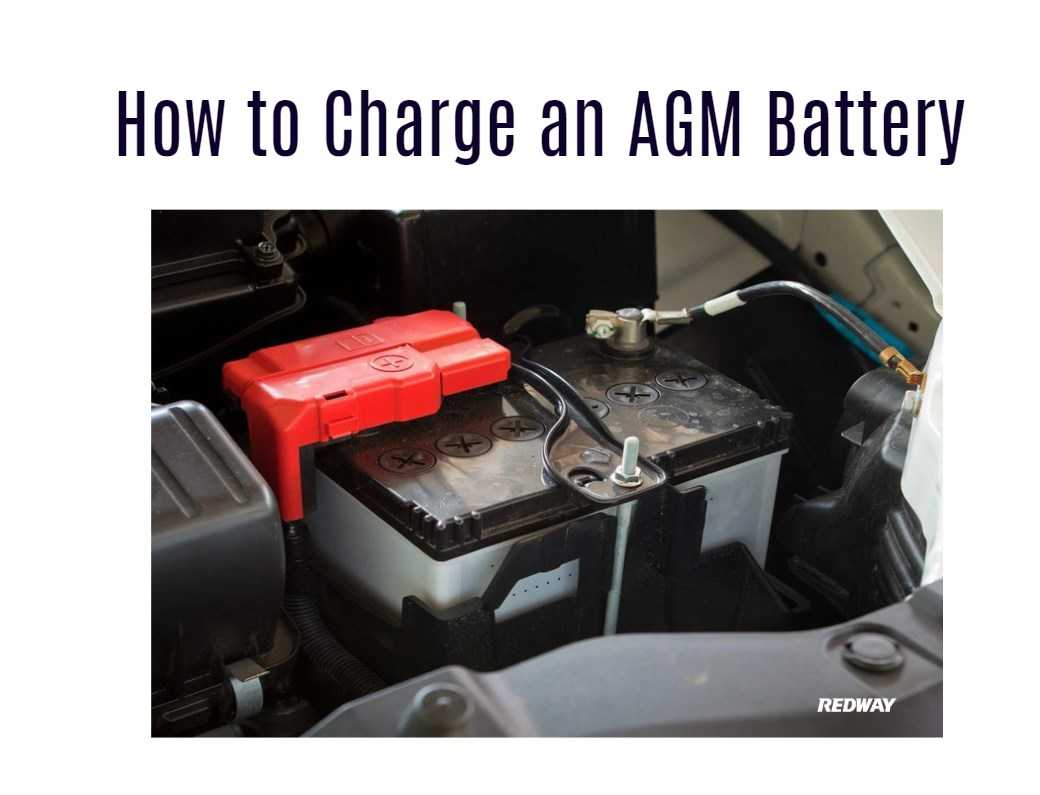
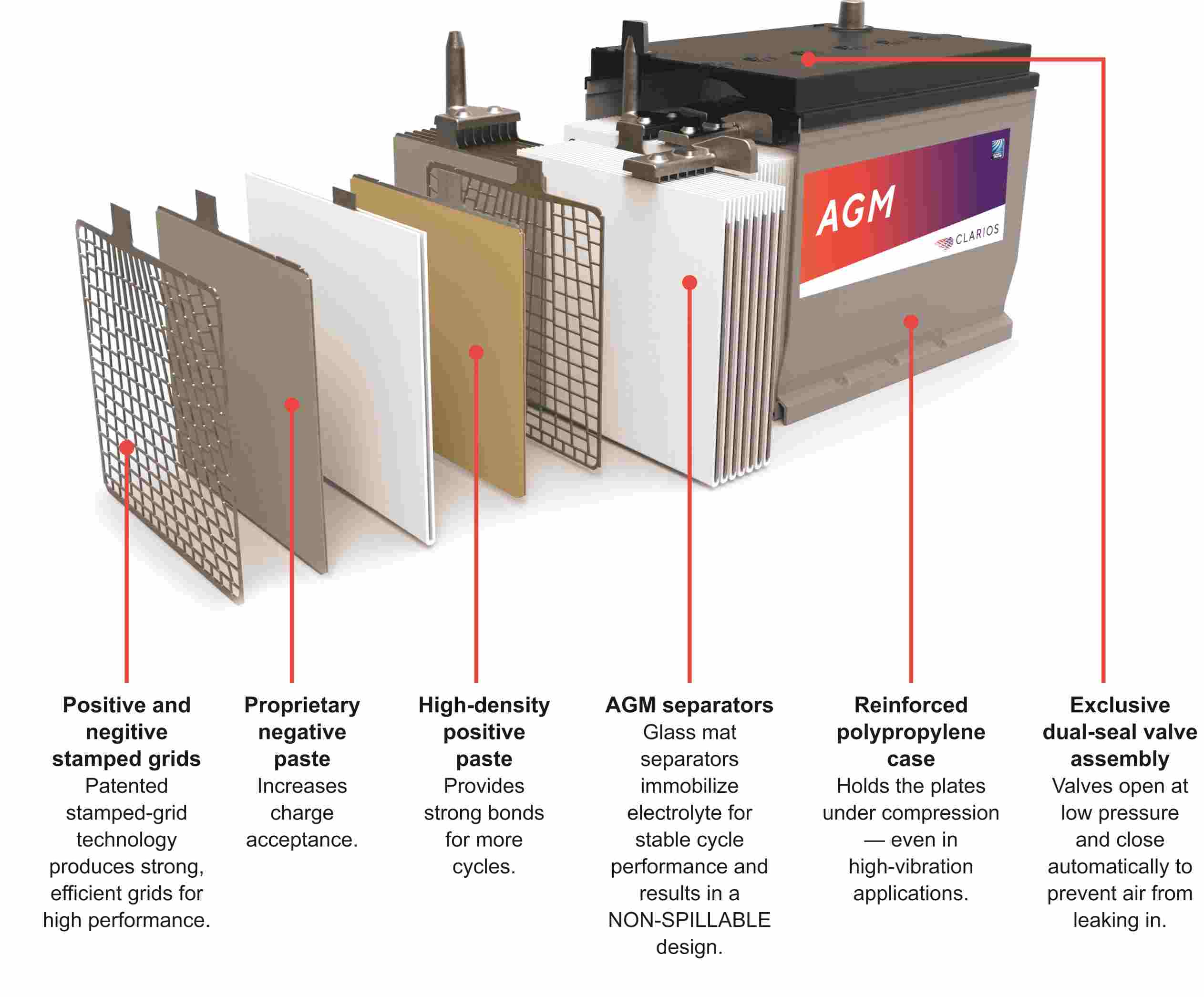
So, what does AGM actually stand for? It stands for Absorbent Glass Mat. It's a specific type of lead-acid battery where the electrolyte (that's the acid-y liquid inside) is absorbed into a fiberglass mat. This design offers several advantages over traditional flooded lead-acid batteries.
Why should you care? Well, it depends on who you are:
Must Read
- For Beginners: If you're new to battery chargers, just knowing that "AGM" refers to a different kind of battery is a great start. Using the correct setting ensures your charger delivers the right voltage and current, preventing overcharging or undercharging. Think of it like using the right fuel in your car – you wouldn't put diesel in a gasoline engine!
- For Families: AGM batteries are commonly found in things like power wheels for kids, mobility scooters, and even some backup power systems. Using the AGM setting on your charger when charging these batteries ensures they're properly maintained and last longer. This saves you money in the long run by delaying replacement.
- For Hobbyists: If you're into cars, motorcycles, RVs, or boating, you've probably encountered AGM batteries. They're popular due to their vibration resistance, spill-proof design, and ability to handle deep discharges. Selecting the AGM setting is crucial for maximizing their performance and lifespan. You might even find that your high-performance vehicle's battery is an AGM type!
Examples and Variations: AGM isn't the only setting you'll find. You might also see "Standard," "Gel," or even specific voltage settings. Some chargers are automatic and detect the battery type, but it's always a good idea to double-check. Some higher-end chargers also offer desulfation modes which can sometimes help rejuvenate older AGM batteries. Be aware that using the wrong setting, especially a higher voltage setting meant for flooded batteries on an AGM, can permanently damage your battery.
Getting Started: Simple Tips
- Read the Manual: Seriously! Your battery charger's manual is your best friend. It will tell you exactly what each setting does and how to use it correctly.
- Identify Your Battery Type: Look at the battery itself. It should be labeled as "AGM," "Flooded," or "Gel." If you can't find a label, a quick internet search with the battery's model number will usually provide the answer.
- Start Slow: When in doubt, start with a lower charge rate. Slow and steady wins the race when it comes to battery charging.
- Monitor the Process: Keep an eye on the battery while it's charging. If it gets excessively hot or starts to bulge, disconnect it immediately.
Understanding what "AGM" means on your battery charger might seem like a small thing, but it can have a big impact on the longevity and performance of your batteries. So, embrace the knowledge, charge responsibly, and enjoy the power that comes from properly maintained batteries! It's a small detail that makes a big difference.