
What Do I Do If A Tornado Comes
Alright, let's talk about something that's both incredibly powerful and a little bit mesmerizing: tornadoes. You know, those majestic, swirling columns of air that make us all stop and gawk at nature's raw energy. But what if one decided to pay your neighborhood an uninvited visit? Ever found yourself wondering, "What on earth would I actually do?"
It's a common thought, and it's totally normal to feel a mix of curiosity and a tiny shiver of apprehension. The cool thing is, understanding what to do isn't about being paranoid; it's about being prepared, which is actually pretty empowering. Think of it like knowing the secret handshake for staying safe when nature throws a truly spectacular curveball.
The Big Spin: What Exactly Are We Talking About?
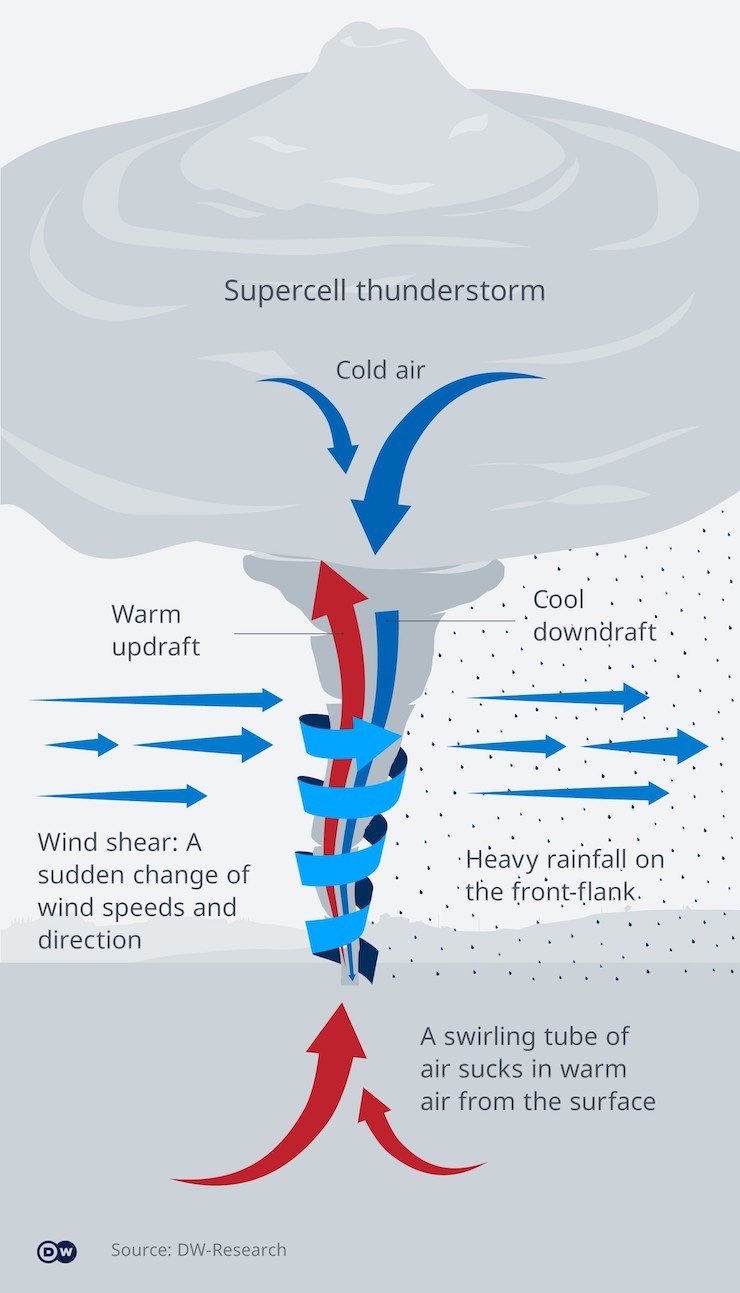
First off, what even is a tornado? Picture a giant, invisible ballerina, twirling with immense power, reaching from a thundercloud all the way down to the ground. That's essentially a tornado – a violently rotating column of air, extending from a cumulonimbus cloud. They can be thin and rope-like, or wide and wedge-shaped, like a giant scoop. Pretty wild, right?
Must Read
These natural phenomena are born from specific atmospheric conditions – warm, moist air meeting cool, dry air, causing an updraft that starts to spin. It's like a cosmic chemistry experiment, and sometimes, the results are truly breathtaking... and a little scary.
Before the Twister: Your Preparedness Playbook
Okay, so a tornado is brewing. What's step one in your super-savvy safety plan? It all starts before you see that swirling funnel cloud. Think of it as setting up your home-base before an epic game of hide-and-seek.
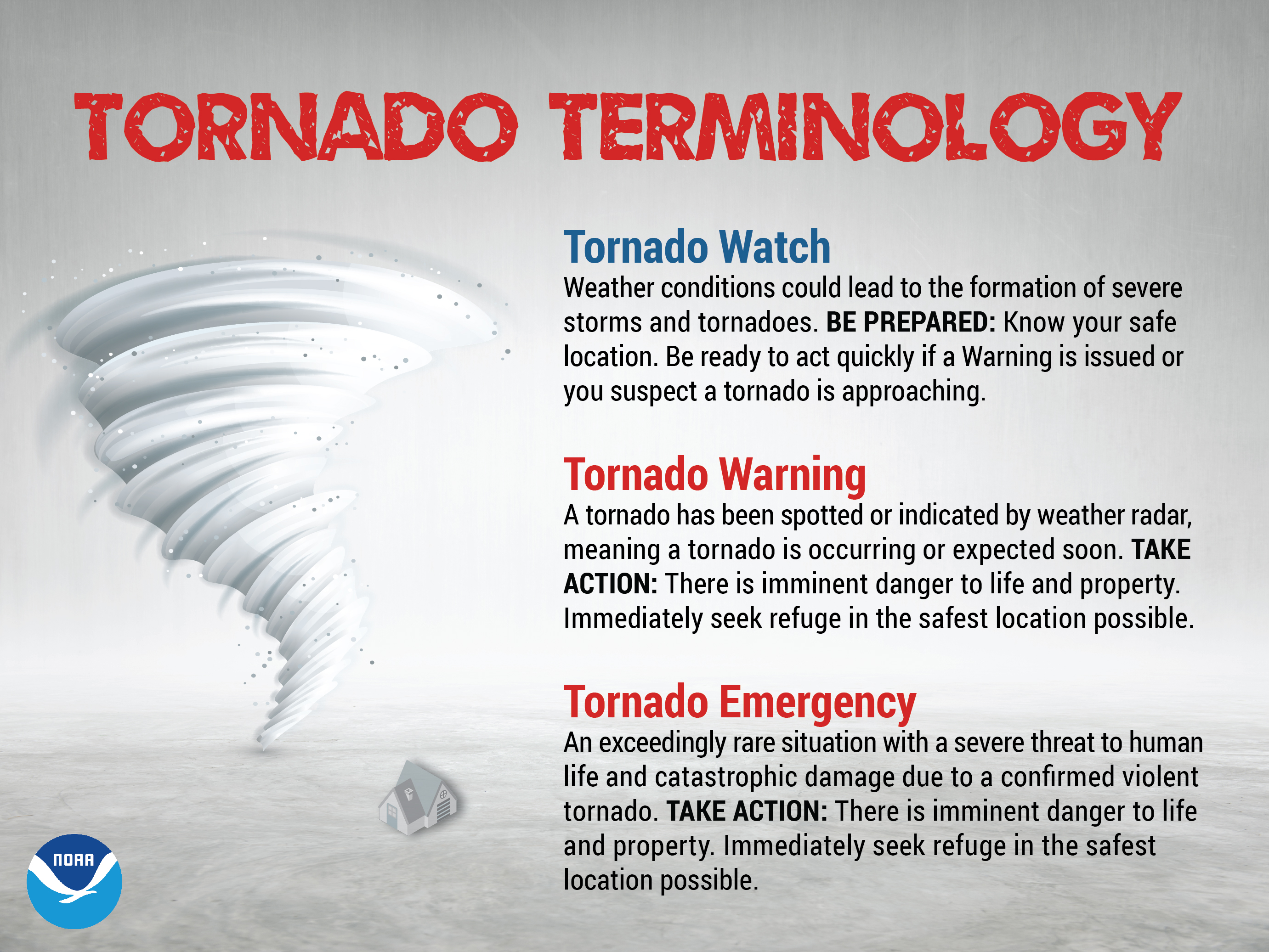
Know Your "Watch" from Your "Warning"
This is crucial. A Tornado Watch means conditions are favorable for tornadoes to develop in your area. It's like the weather person saying, "Hey, keep an eye on the sky, folks!" This is your cue to:

- Stay updated on local weather.
- Review your family's safety plan.
- Know where your safe spot is.
A Tornado Warning? That means a tornado has been sighted or indicated by radar. This isn't a drill! It's nature saying, "Heads up, it's time to act NOW!"
Finding Your Sanctuary: The Ultimate Safe Spot
Where's the safest place in your home? Generally, it's the lowest level and an interior room. Think basements, storm cellars, or an inner hallway, closet, or bathroom on the ground floor. The goal is to get as many walls between you and the outside as possible.
Avoid windows like they're the plague – flying debris is no joke. If you don't have a basement, choose an interior room on the lowest floor, away from windows. Get under something sturdy, like a heavy table, or cover yourself with blankets or mattresses to protect from falling debris. It’s like creating your own personal, cozy fort against the storm.
The Emergency Kit: Your "Oh Snap" Bag
Having a small emergency kit is a total game-changer. What goes in it? Think basics:

- Water and non-perishable snacks (because stress makes you hungry!).
- A flashlight and extra batteries (power outages happen).
- A battery-powered or hand-crank weather radio (your direct line to updates).
- A first-aid kit (for minor boo-boos).
- Whistle (to signal for help if needed).
- Important documents in a waterproof bag.
This kit isn't just for tornadoes; it's smart to have for any emergency. It's like your survival backpack for an unexpected adventure at home.
When the Siren Blasts: Immediate Action!
Okay, you hear the sirens, or you get that phone alert: TORNADO WARNING! Deep breath. You've prepared for this. What's next?
Head for Your Safe Spot – No Hesitation!
This is not the time to check social media or grab one last snack. Get to your designated safe spot immediately. Every second counts. If you have kids or pets, gather them quickly.
The "Duck and Cover" for Grown-Ups
Once in your safe spot, get down low. Crouch, put your arms over your head and neck to protect yourself from flying debris. If you have a helmet (bike helmet, even a sports helmet), wear it! This isn't about looking cool; it's about protecting your noggin. It's like practicing for the world's most intense limbo competition, but with a very serious purpose.
What About Cars or Mobile Homes?
These are not safe places during a tornado. A mobile home is essentially a giant tin can in a blender during a tornado. If you're in a car or mobile home, the safest option is to get out and find a sturdy building or a ditch/culvert. Lie flat and cover your head. This might sound counter-intuitive, but being exposed in a ditch is often safer than being in a vehicle that can be easily picked up and tossed.
After the Storm: The "All Clear" and Beyond
The wind has died down, the sirens have stopped, and an eerie calm settles. Is it over?
Don't Emerge Too Soon
Wait for official "all clear" messages from authorities or your weather radio. Sometimes, a calm period might be the eye of the storm, with more danger on the way. Patience is key here.

Assess and Assist
Once it's safe to emerge, check yourself and your family for injuries. If anyone is hurt, administer first aid if you can, and call for emergency help if necessary. Check on neighbors if it's safe to do so.
Watch Out for Hidden Dangers
The aftermath can be tricky. Be on the lookout for:
- Downed power lines: Assume they're live and stay far away.
- Gas leaks: If you smell gas, leave immediately and report it.
- Damaged structures: Don't enter buildings that look unstable.
- Sharp debris: Wear sturdy shoes to avoid stepping on nails or glass.
It's like navigating a temporary obstacle course, where every step needs to be mindful.
Ultimately, dealing with a tornado isn't about fear; it's about respect for nature and the smarts to protect yourself and your loved ones. By understanding a few simple steps and having a plan, you're not just reacting – you're preparing, empowering yourself, and making sure you're ready for whatever wild weather comes your way. Pretty cool, right?