What Determines The Size Of A Welding Cable
Welding is cool. Seriously. It's like playing with electricity and fire to make awesome stuff. But, before you grab a welding machine and start flinging sparks, there's a small detail you absolutely need to nail: your welding cable. And guess what? Size matters!
Think of your welding cable as the road for electricity. Your welding machine is where the electricity begins its journey. The welding electrode is where it arrives to perform its magic. The cable is the crucial path. Just like a tiny country lane won't handle rush hour traffic, a too-small cable won't handle the electrical current needed for your welding.
So, What's the Big Deal About Cable Size?
Imagine trying to drink a milkshake through a coffee stirrer. Frustrating, right? That's what electricity feels like when you force it through a cable that's too small. It creates resistance. Resistance generates heat. And excessive heat? Well, that can melt your cable, damage your welding machine, and even, uh, start a fire. Not cool. Literally.
Must Read
But how do you choose the right size? Don't worry, it's not rocket science. It boils down to three main things:
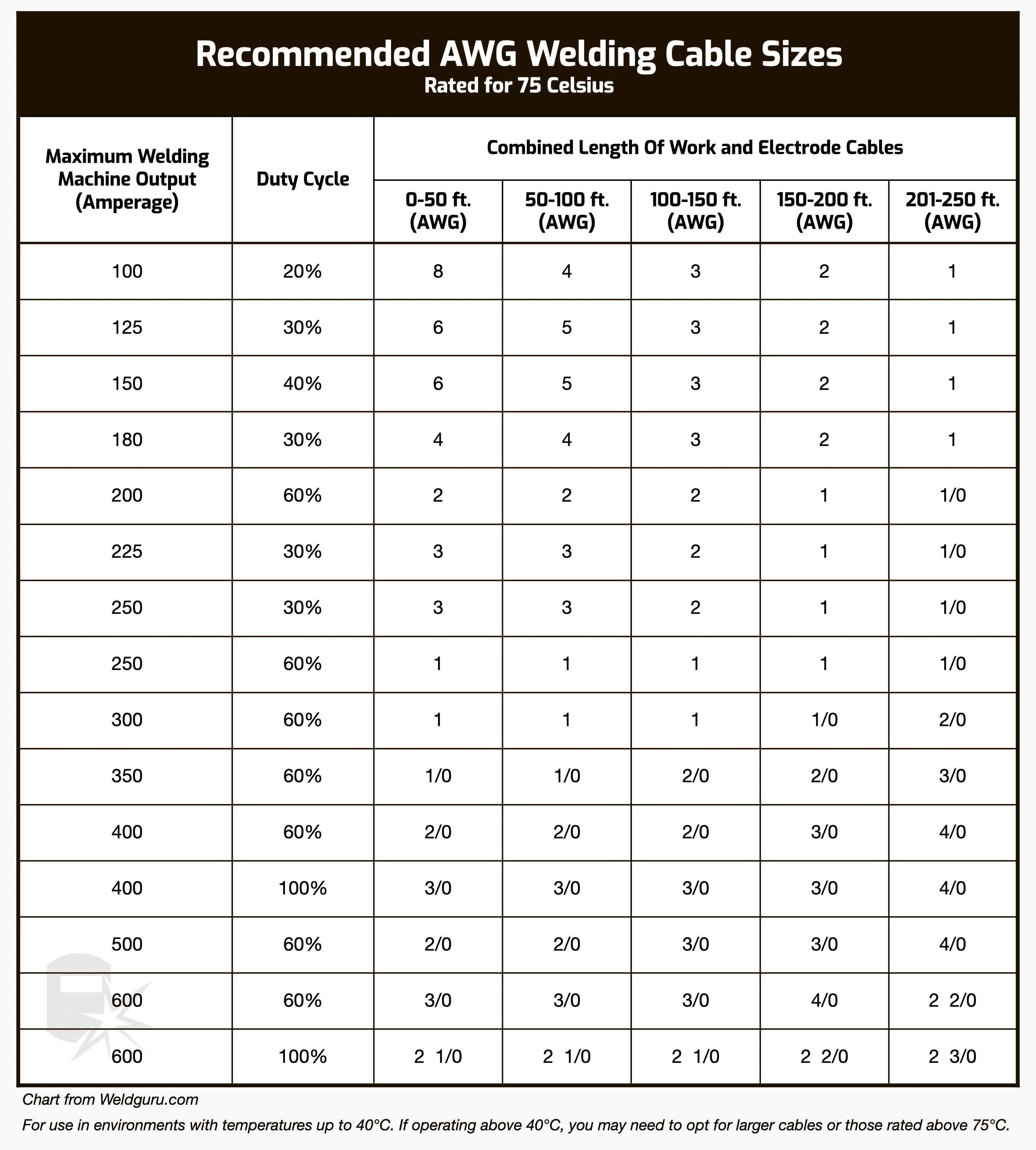
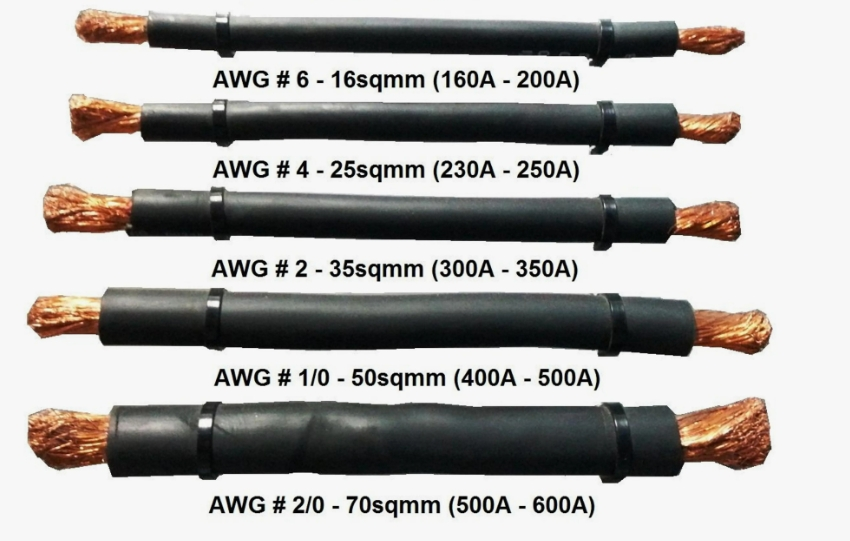
- Amperage: How much power are you planning to use? Think of amperage like the size of the milkshake you're trying to slurp. The higher the amperage, the bigger the "straw" (cable) you need.
- Cable Length: How far does the electricity need to travel? The longer the distance, the more resistance builds up. So, a longer cable needs to be thicker than a shorter one for the same amperage. It's like needing a bigger pipe for a long water run.
- Duty Cycle: How often will you be welding? The duty cycle refers to the percentage of time, usually over a 10-minute period, that you're actually welding. More welding time equals more heat. A higher duty cycle often means you need a heavier-duty (thicker) cable.
Think of amperage, cable length, and duty cycle as your three best friends in this process.

Decoding the Cable Codes: It's Easier Than You Think
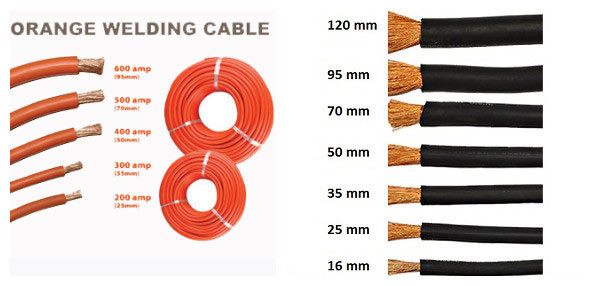
Welding cables aren't just plain wires. They have markings that tell you their size. Look for the AWG (American Wire Gauge) number. The AWG number indicates the cable's thickness. It seems counterintuitive, but the smaller the AWG number, the thicker the cable. For example, a 1/0 (read as "one-aught") cable is thicker than a #4 cable.
You'll also see markings that indicate the cable's insulation type. Common types include EPDM and neoprene. These are designed to withstand the harsh conditions of welding – sparks, heat, and potential abrasion. Choosing the right insulation ensures your cable lasts longer and protects you from electrical hazards. Think of it as armor for your power highway!
Where to Find the Info You Need
Okay, so you know the factors. But how do you figure out the exact cable size you need? Don't fret! Most welding machines come with a chart or recommendation in the owner's manual. This chart will tell you the recommended cable size based on your machine's output, the welding amperage you plan to use, and the cable length.
You can also find helpful charts and calculators online. Just search for "welding cable size chart." These tools can take the guesswork out of the equation. And if you're still unsure, don't hesitate to ask a knowledgeable salesperson at your local welding supply store. They're usually happy to help.
Why This Matters (Besides Preventing Fires)
Using the right size welding cable isn't just about safety (though that's a HUGE part of it). It's also about performance. A properly sized cable ensures that your welding machine delivers the full power it's capable of. This leads to better arc stability, cleaner welds, and less frustration. Trust me, nobody wants to fight with a finicky welding machine.
So, choosing the right welding cable might seem like a small detail, but it can make a world of difference in your welding projects. Take the time to understand the factors involved, consult the resources available, and choose the right cable for the job. Your welds (and your sanity) will thank you for it. Happy welding!
Choosing the right cable guarantees efficient and effective welds.
Remember, welding is fun. Welding safely is even better!