
What Controls What Goes In And Out Of A Cell
Hey there, future cell superstars! Ever wondered how your body, and everything living around you for that matter, manages to stay, well, alive? It all boils down to these tiny, amazing units called cells. And what's even cooler is that each of these cells is like its own little city, bustling with activity. But like any good city, it needs borders and, more importantly, a sophisticated system to control who and what gets in and out. Think of it as the ultimate velvet rope policy for molecules! Ready to dive in?
The Gatekeeper: The Cell Membrane
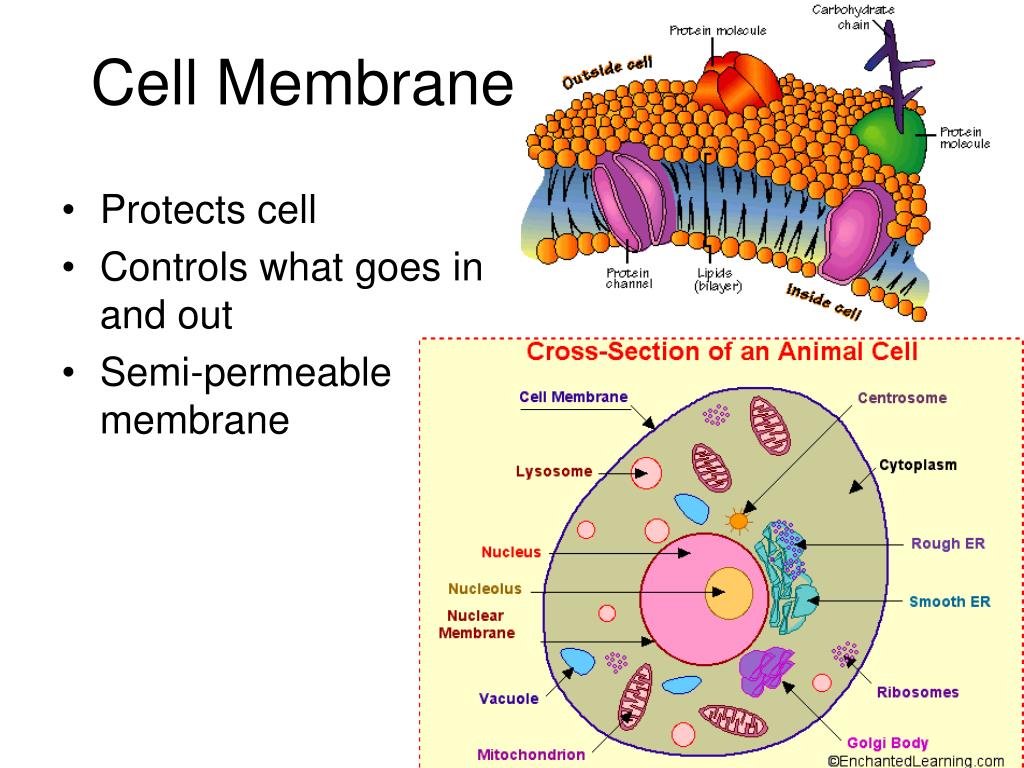
First things first, we need to talk about the main bouncer at the cell club: the cell membrane. Imagine a fluid mosaic, not of actual tiles, but of phospholipids. (Yeah, that's a mouthful, but just picture tiny molecules with heads that love water and tails that hate it). These guys arrange themselves in a double layer, creating a flexible barrier that surrounds the entire cell. Think of it as a biological bubble wrap, but way more intelligent!
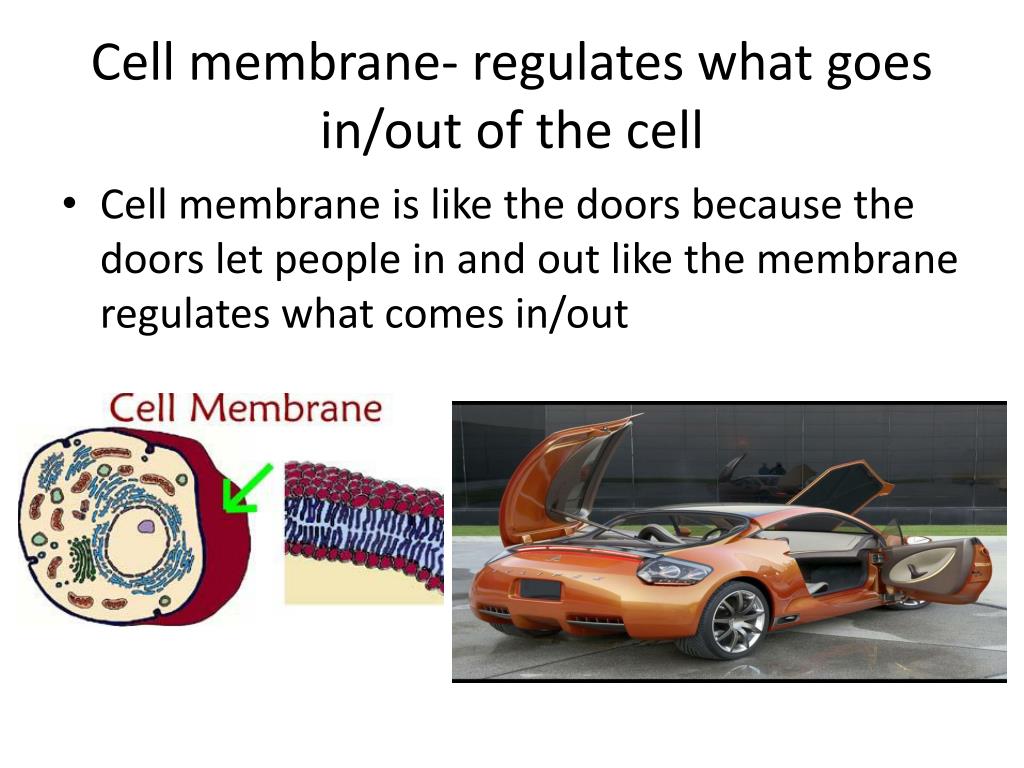
But wait, there's more! This isn't just a simple wall. Embedded within this phospholipid bilayer are proteins. And these proteins? They're the real VIP security guards. Some act as channels, creating tunnels for specific molecules to pass through. Others are like pumps, actively transporting molecules across the membrane, even against their natural inclination. (Talk about dedication!)
Must Read
So, why all this fuss about controlling the flow? Because a cell needs to maintain a perfect internal environment, a state we call homeostasis. (Yes, that's right, even cells aim for work-life balance!). It needs to keep out the bad stuff (toxins, viruses – the party crashers) and let in the good stuff (nutrients, oxygen – the essential supplies).
Passive vs. Active Transport: The Two Main Routes
Now, let's talk logistics. Getting molecules in and out of a cell isn't a free-for-all. There are two main ways this happens: passive transport and active transport.
Passive transport is like taking the easy route. Molecules move from an area of high concentration to an area of low concentration, basically following the natural flow. Think of it like rolling downhill – no energy required! Examples include diffusion (like a drop of food coloring spreading in water) and osmosis (the movement of water across the membrane). So, when your cells are just chilling, they use these processes to move molecules around.
But sometimes, molecules need to go against the concentration gradient – like swimming upstream. That's where active transport comes in. This process requires energy (usually in the form of ATP, the cell's energy currency) to power those protein pumps we talked about earlier. It's like paying a toll to cross a bridge – you gotta spend energy to get to the other side!

Active transport is crucial for maintaining those essential concentration gradients needed to achieve homeostasis. Imagine your nerve cells needing to maintain a high concentration of sodium ions outside the cell and potassium ions inside. This is only possible thanks to these processes!
Specific Examples: Let's Get Practical!
Okay, let's get down to specifics. Consider glucose, the sugar that fuels our cells. Some cells let glucose in using facilitated diffusion, a type of passive transport that relies on specific protein channels. These channels act like revolving doors, allowing glucose to enter the cell without requiring any energy expenditure.
Or take sodium-potassium pumps, a key player in nerve impulse transmission. These pumps actively transport sodium ions out of the cell and potassium ions into the cell, maintaining the electrical gradient necessary for nerve signals to travel. Without these pumps, our brains wouldn't be able to send signals and we wouldn't be able to think, move, or even breathe! Pretty important stuff, right?
And don’t forget about endocytosis and exocytosis! These are ways for the cell to take in (endo-) or release (exo-) large molecules or even entire particles! Think of endocytosis as the cell wrapping its membrane around something it wants to engulf, like a tiny Pac-Man. Exocytosis is the opposite – the cell releasing contents by fusing a vesicle (a membrane-bound sac) with the cell membrane.
Why Should You Care? (It's Actually Fun!)
Now, you might be thinking, "Okay, that's interesting, but why should I care about what goes in and out of a cell?" Well, understanding these fundamental processes can unlock a whole new level of appreciation for the complexity and elegance of life! Knowing how cells function helps you understand how your body works, why you get sick, and how medicines work. It's like having a secret decoder ring for the biological world!

Plus, it's just plain fascinating! Imagine the sheer ingenuity of evolution that has produced these intricate systems that govern cellular transport. It's like looking at the blueprints for the ultimate tiny machine!
So, the next time you're enjoying a delicious meal, remember that your cells are working hard, selectively absorbing the nutrients they need and expelling the waste products. It's a symphony of molecular interactions, all orchestrated by the cell membrane and its amazing transport mechanisms.
The world of cells and their transport mechanisms is a vast and fascinating one, full of incredible discoveries waiting to be made. Don't be afraid to dive deeper, explore the science, and unlock the secrets of life at its most fundamental level. Who knows? You might just be the one to make the next groundbreaking discovery! Now go forth and explore!