What Colors To Make Burgundy
Okay, so you're staring at a blank canvas, a bare wall, or maybe even just a digital color picker and thinking, "Burgundy... that's gorgeous, but how on earth do I make it?" Don't worry, you're not alone! Figuring out color mixing can feel like a secret art, but trust me, it's easier than baking a decent batch of cookies (and way less messy!).
Why should you care about making burgundy anyway? Well, think about it. Burgundy is the color of a cozy, crackling fire on a chilly evening. It's the deep, rich hue of a perfectly aged wine. It's sophisticated, warm, and just a little bit mysterious. Whether you're a budding artist, a home decor enthusiast, or just someone who appreciates beautiful things, understanding how to conjure up this color is a skill that will come in handy.
The Burgundy Recipe: Red, Blue, and a Little Secret Ingredient
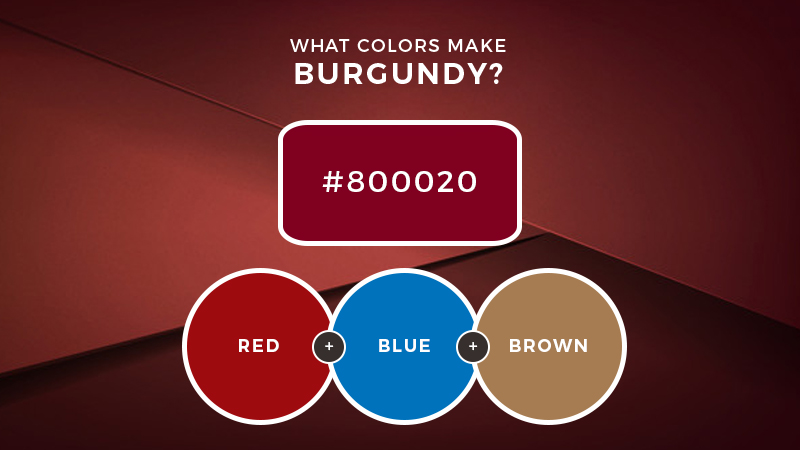
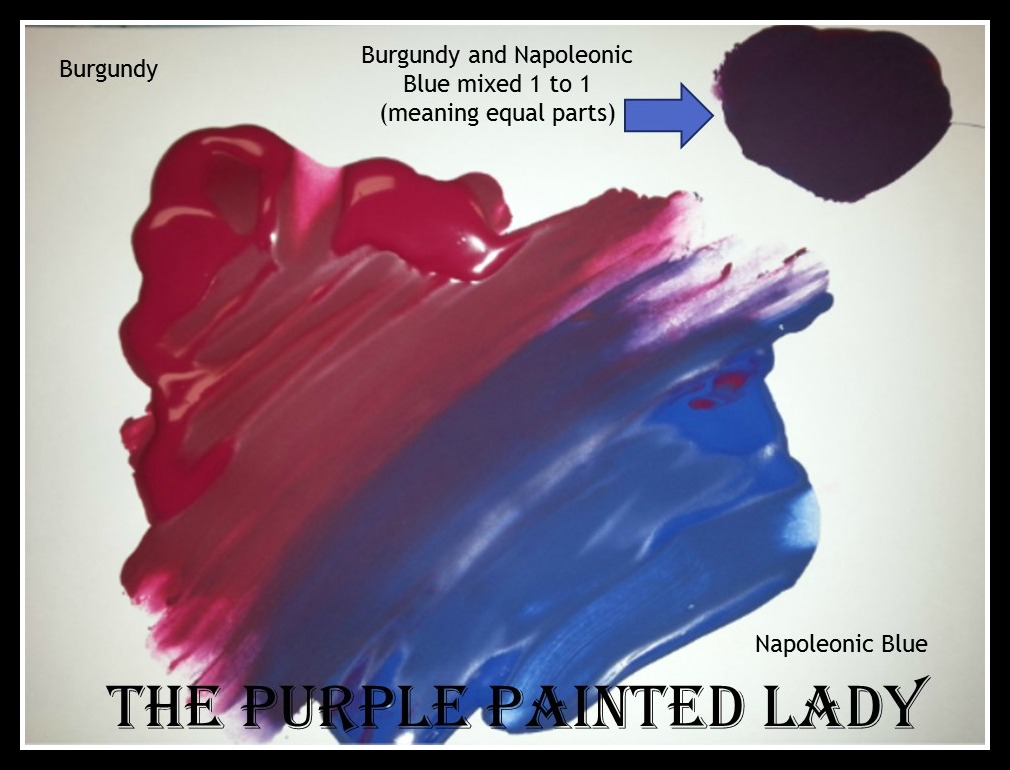
The foundation of burgundy is actually quite simple: red and blue. Think of it like making purple, but with a crucial twist.
Must Read
Imagine you’re making a smoothie. If you add equal parts blueberries (blue) and raspberries (red), you'll get a nice, standard purple. But burgundy is like adding mostly raspberries with just a handful of blueberries.
The key is the ratio. You want a lot more red than blue. A good starting point is about 8 parts red to 1 part blue. Feel free to experiment, though! That's where the fun begins.
But hold on! Here's the secret ingredient: a touch of yellow or brown. This is what separates burgundy from a straight-up purple. Think of it as adding a dash of cinnamon to that smoothie. It deepens the flavor and adds a layer of complexity. Just a tiny amount of yellow or brown will warm up the color and give it that characteristic earthy undertone.
Putting it All Together: Step-by-Step
Let's break it down into a simple, repeatable process:
- Start with red: Choose a red that you like. A crimson or alizarin crimson will work well. Think of it as the base note of your color symphony.
- Add a tiny bit of blue: Seriously, go easy on the blue. A phthalo blue or ultramarine blue are good choices. Add it gradually and mix thoroughly. You're aiming for a deep, muted red, not a bright purple.
- Introduce a touch of yellow or brown: Again, less is more! A tiny dab of yellow ochre or burnt umber will do the trick. This will warm up the color and add that characteristic burgundy richness.
- Adjust as needed: Too purple? Add more red. Too bright? Add a tiny bit more blue or brown. Too dull? A teeny bit of bright red can help. This is where your artistic eye comes into play!
Variations on a Theme: Different Shades of Burgundy
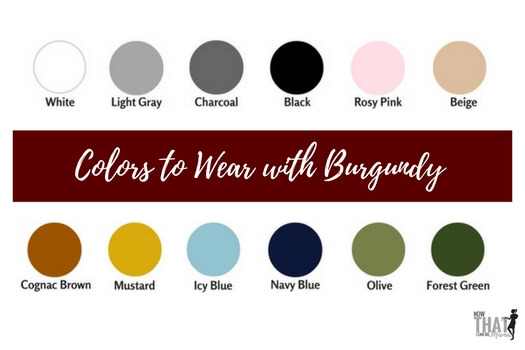
The beauty of color mixing is that you can create endless variations. Want a lighter burgundy? Add a touch of white or a very pale pink. Want a deeper, more dramatic burgundy? Add a bit more brown or even a touch of black (but be very careful with black – it's powerful stuff!).
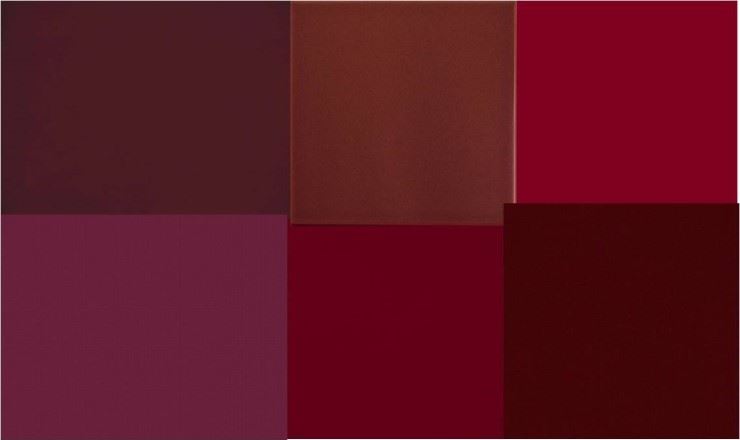
Think about the different shades of burgundy you see in the world. There's the vibrant burgundy of a freshly picked beet, the softer burgundy of a worn leather armchair, and the almost-black burgundy of a ripe plum. Each one is slightly different, and you can achieve these variations by tweaking the ratios of your base colors.

Why This Matters: Unleashing Your Creativity
Knowing how to make burgundy (or any color, for that matter) gives you power. It frees you from relying on pre-mixed colors and allows you to create exactly the shade you want. Imagine being able to perfectly match the color of your favorite scarf, or create a custom paint color that perfectly complements your furniture. That's the magic of understanding color mixing.
Plus, it's just plain fun! Experimenting with colors is a great way to relax, de-stress, and unleash your inner artist. So go ahead, grab some paints (or pixels!), and start mixing. You might just surprise yourself with what you create.
And remember, there are no hard and fast rules. The most important thing is to experiment, have fun, and trust your instincts. Happy color mixing!