What Color Should Smoke Detector Light Be
Ever caught a glimpse of that tiny, blinking light on your smoke detector and wondered, "What's its deal?" Or perhaps you’ve squinted at it, trying to decipher if it’s a happy blink, a sleepy blink, or a "you better check on me" blink. It might seem like a trivial detail, but understanding these little lights can be surprisingly useful, and dare we say, a little bit fun! After all, these unsung heroes are always on duty, keeping us safe, and their tiny lights are their way of communicating.
So, what's the purpose of that blinky light anyway? It's not just a decorative touch! These lights are your smoke detector's primary way of giving you visual feedback about its status. While the loud, ear-splitting beep is for emergencies, the light is for ongoing maintenance and peace of mind. Think of it as a silent, blinking conversation between you and your home's guardian angel. It can tell you if it's working properly, if it needs attention, or if it’s time to replace it altogether.
Now, let's talk about the colors. Unfortunately, there isn't one single, universal color code for every smoke detector out there, which is why it can be a bit confusing! However, there are some very common patterns that most manufacturers follow:
Must Read
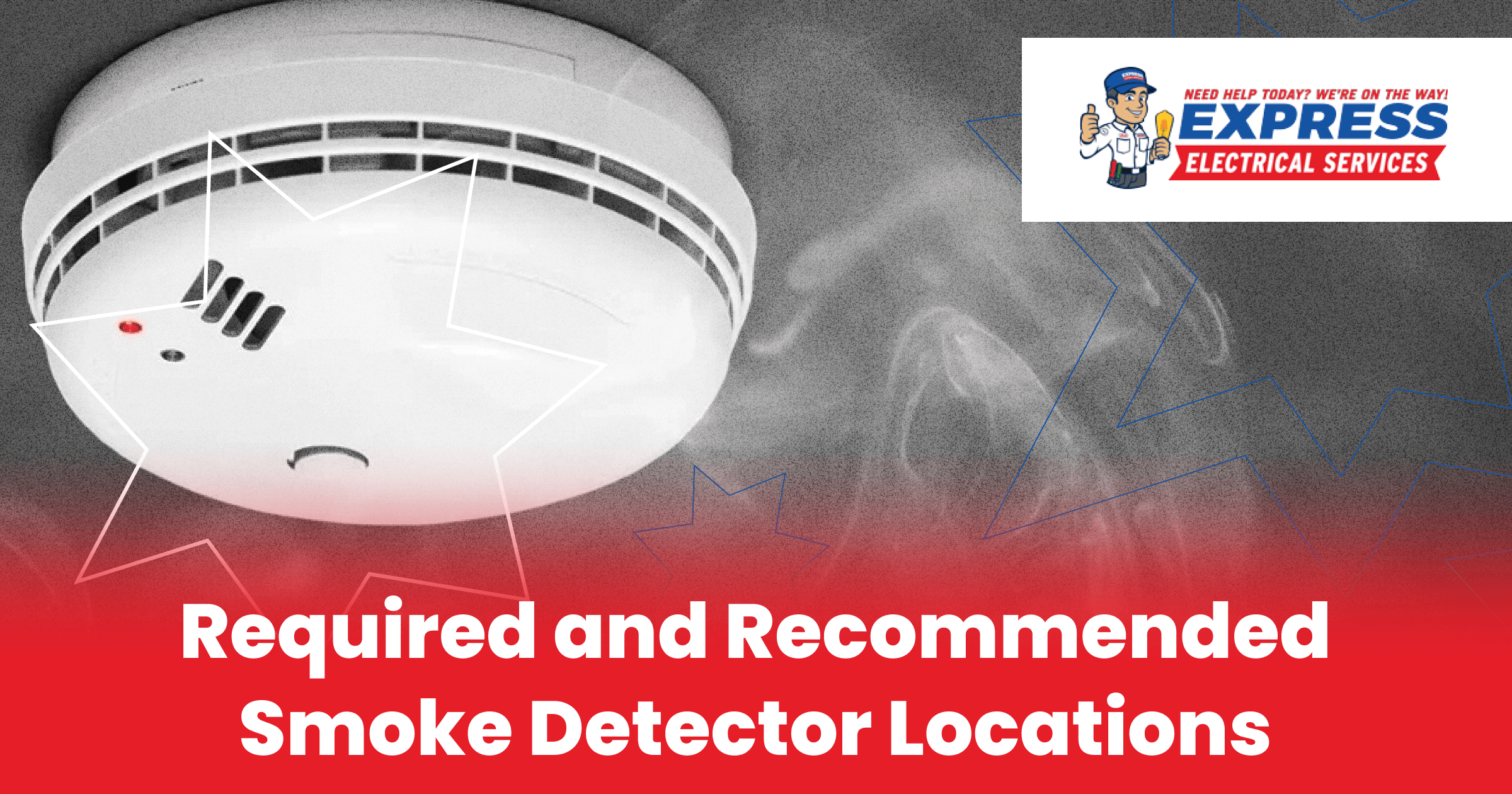
- The "I'm Alive and Well" Blink (Often Red): This is perhaps the most common blink you'll encounter. A slow, intermittent red flash (typically every 30-60 seconds) usually indicates that the unit is powered on and functioning correctly. It's just letting you know it's "monitoring" and keeping an eye on things. Phew!
- The "Pay Attention to Me!" Blink (Often Yellow/Amber or a faster Red): This is the one you really need to heed. A fast, rapid red blink, or a solid red light, could mean the detector is sensing smoke and is either in alarm or preparing to sound one. If you see a yellow or amber light (sometimes blinking, sometimes solid), this almost universally signals a problem. It could mean the battery is low, the unit has a malfunction, or it’s reached its end-of-life and needs to be replaced. Don't ignore these!
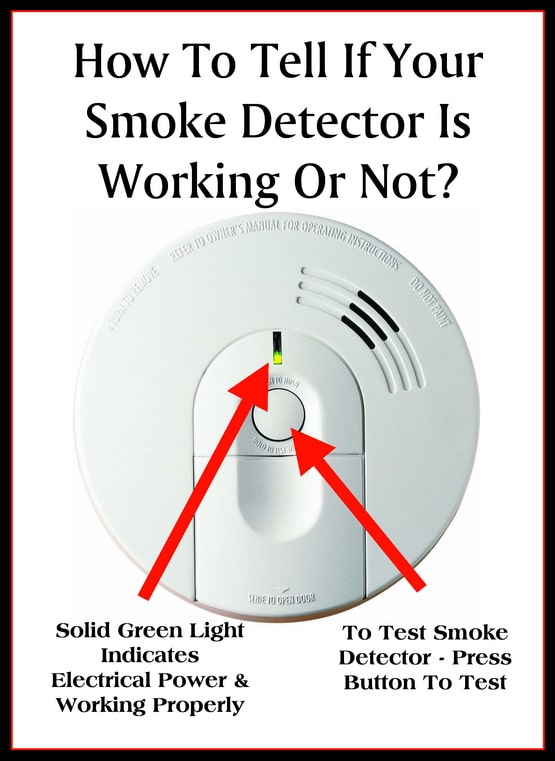
- The "Everything's Great!" Light (Less Common Green): In some more advanced or interconnected systems, you might see a green light. This often means the unit is properly powered, communicating with other detectors in the network, and all systems are go.
- No Light At All: This is a red flag (or rather, a no-color flag!). If your detector has no light and it's supposed to, it might not be receiving power, or the unit could be completely dead. Time to investigate!
The best way to be absolutely sure about your specific smoke detector's signals is to check its manual. A quick search online with your model number will usually pull it right up. Understanding these subtle communications from your smoke detector means you can address minor issues before they become major problems, ensuring your home and loved ones stay safe. So next time you see that little light blinking, you'll know exactly what it's trying to tell you – and that's a pretty cool party trick, wouldn't you agree?