What City In Nc Has The Highest Crime Rate

There's a natural human tendency to seek understanding, to gauge our surroundings, and to make informed decisions about where we live, work, and play. Whether it's choosing a new neighborhood, planning a family vacation, or simply engaging in local conversations, our innate curiosity often leads us to ponder aspects of community safety. It’s not about finding fault, but about satisfying a fundamental need for awareness and ensuring we're making choices that align with our sense of well-being. This quest for understanding is precisely why topics like crime rates, though serious, become subjects of intense public interest and discussion.
Understanding crime statistics isn't about fear-mongering; it serves a crucial purpose in our everyday lives. For starters, it empowers us to be proactive. Knowing the general safety profile of different areas can significantly influence decisions like where to purchase a home or where to send our children to school. It’s a tool for civic engagement, helping residents identify areas where community support or targeted interventions might be most beneficial. Moreover, these statistics help us move beyond anecdotal evidence and make decisions based on concrete data, fostering a more nuanced perspective on public safety challenges.
You see this information applied in countless ways. Future homeowners diligently researching prospective towns pore over crime maps alongside school ratings and property values. Businesses looking to relocate consider the safety of their employees and assets. Local government officials and law enforcement agencies use these metrics to allocate resources, deploy patrols, and design community programs aimed at prevention and rehabilitation. Even news organizations frequently report on crime trends, shaping public discourse and prompting important conversations. It's a foundational piece of information that helps us paint a fuller picture of a community.
Must Read
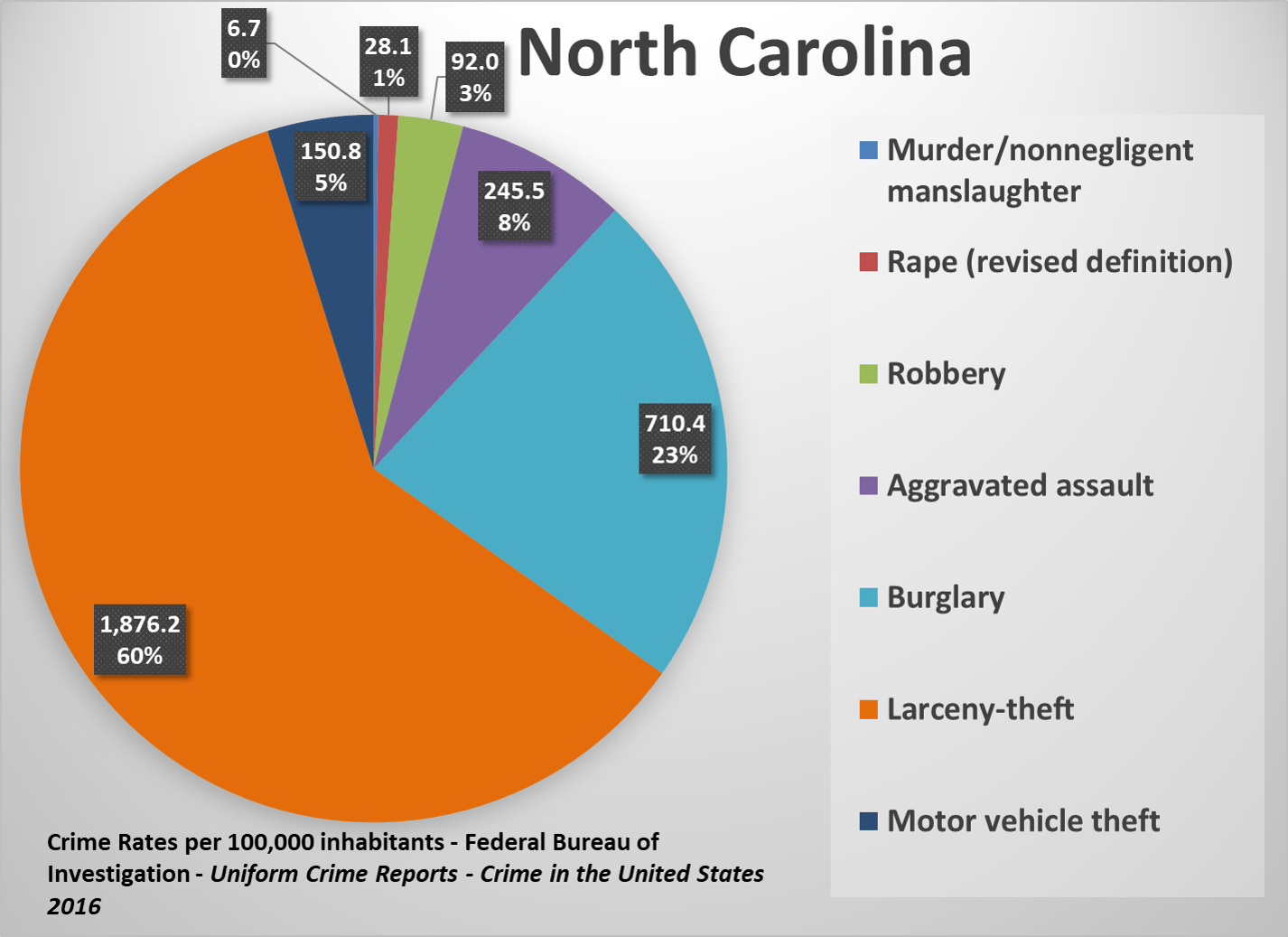
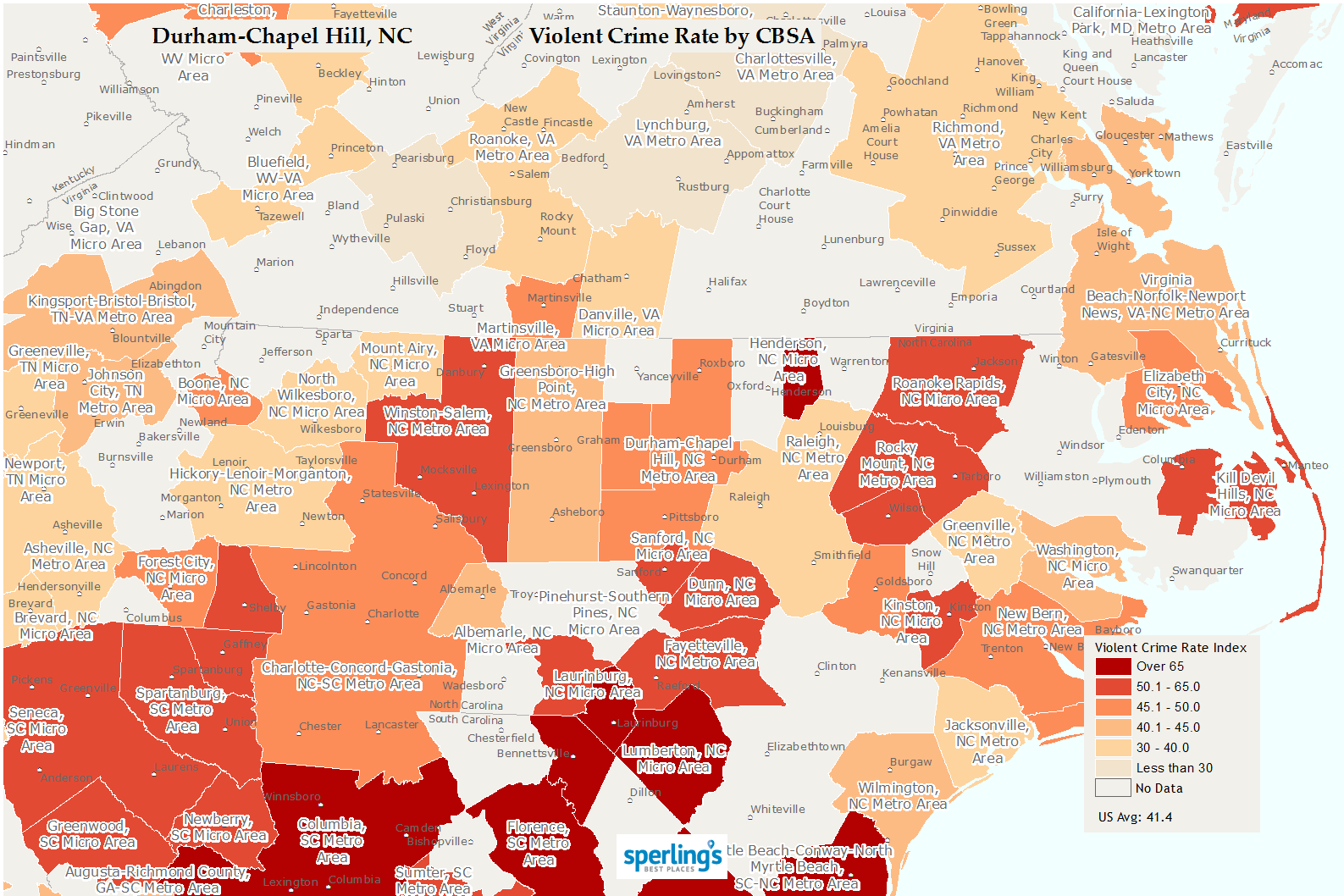
When it comes to pinpointing "the city in NC with the highest crime rate," it's crucial to approach the data with a discerning eye. Here are some practical tips to help you interpret this information more effectively and avoid oversimplification. First, remember that context is king. A city with a higher raw number of crimes might simply have a much larger population. Therefore, looking at crime rates per capita (crimes per 1,000 or 100,000 residents) provides a more accurate comparison between cities of different sizes. Second, distinguish between types of crime. Is the rate driven by violent crimes (homicide, assault, robbery) or property crimes (theft, burglary)? Both are serious, but they reflect different challenges and risks. A city might have a high property crime rate but a relatively low violent crime rate, and vice versa.
Third, consider the source of your data. Reputable sources like the FBI's Uniform Crime Reporting (UCR) Program (though note its limitations and reporting changes), state bureaus of investigation, and local police department annual reports are generally the most reliable. Websites that aggregate data can be helpful, but always try to trace back to the original source. Fourth, look for trends over time. A single year's data point might be an anomaly; look for consistent trends. Lastly, understand that crime rates are an average across an entire city. Even within a city that shows a higher overall rate, there will be neighborhoods that are incredibly safe and others that face significant challenges. So, do your homework on specific areas within a city that interests you, rather than making broad generalizations based on city-wide statistics. By applying these tips, you can transform a simple query into a more informed and meaningful understanding of North Carolina's diverse communities.
![Murders Per Capita By City In North Carolina [2025] | RoadSnacks](https://www.roadsnacks.net/wp-content/uploads/2024/01/murder-nc.jpg)