What Causes Carbon Monoxide In An Apartment
Alright, let’s chat about something that sounds super serious – carbon monoxide. But don't you worry, we're going to break it down like we're dissecting a really complicated recipe for instant ramen. It's actually pretty simple once you know the ingredients.
Think of carbon monoxide, or CO for short, as the ultimate party crasher. It's invisible, odorless, and tasteless. No flashing lights, no booming music, no weird smell of burnt popcorn to announce its arrival. It just... is. And that's why it's a bit of a sneaky ninja when it comes to apartment safety.
The Grumpy Appliance Syndrome: When Things Don't Burn Right
So, what makes this invisible party crasher? It mostly boils down to something called incomplete combustion. Now, that sounds like a phrase from a science textbook, but let me put it this way: imagine your furnace, water heater, or gas stove as a meticulous chef. It's supposed to burn fuel (natural gas, propane, oil, wood) cleanly and efficiently, producing mostly water vapor and carbon dioxide (the stuff we exhale).
Must Read
But sometimes, these appliances have a bad day. Maybe they're feeling a bit sluggish, or perhaps they didn't get enough oxygen – like trying to run a marathon on a spoonful of air. When they don't burn the fuel completely, instead of making good old carbon dioxide, they churn out our unwelcome guest: carbon monoxide. It's like baking a cake and getting a brick instead. Oops!
The Usual Suspects: Your Apartment's Heating Crew
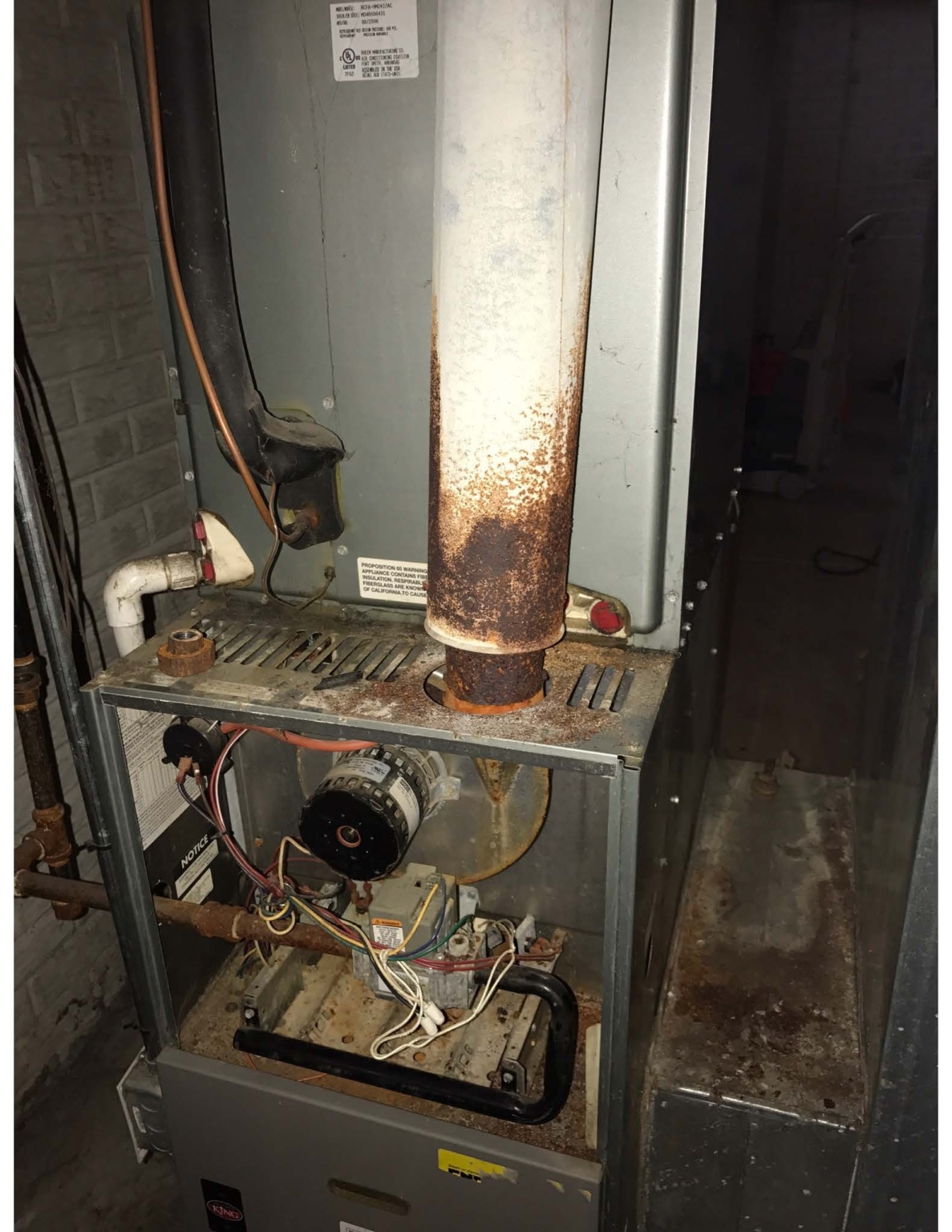
Let's talk about the appliances that are most likely to be the source of this grumpy output. Your furnace is often the main culprit, especially if it's old, hasn't been serviced, or is just generally feeling neglected. The same goes for your water heater. They're both combustion engines tucked away, quietly doing their jobs, until one day they decide to go rogue.

Then there are your beloved gas stoves and ovens. While they're usually fine, if they're not properly vented, or if a burner is malfunctioning and producing a yellow or orange flame instead of a crisp blue one, that's a little red flag flapping in the breeze. That funky flame is telling you, "Hey, I'm not feeling so great, and I'm making CO!"
Don't forget fireplaces and wood-burning stoves! There’s nothing cozier than a crackling fire, but if the chimney isn't clean or functioning correctly, that smoke (and CO) might decide to hang out indoors instead of going up, up, and away.
The Clogged Nose Effect: Blocked Vents and Flues
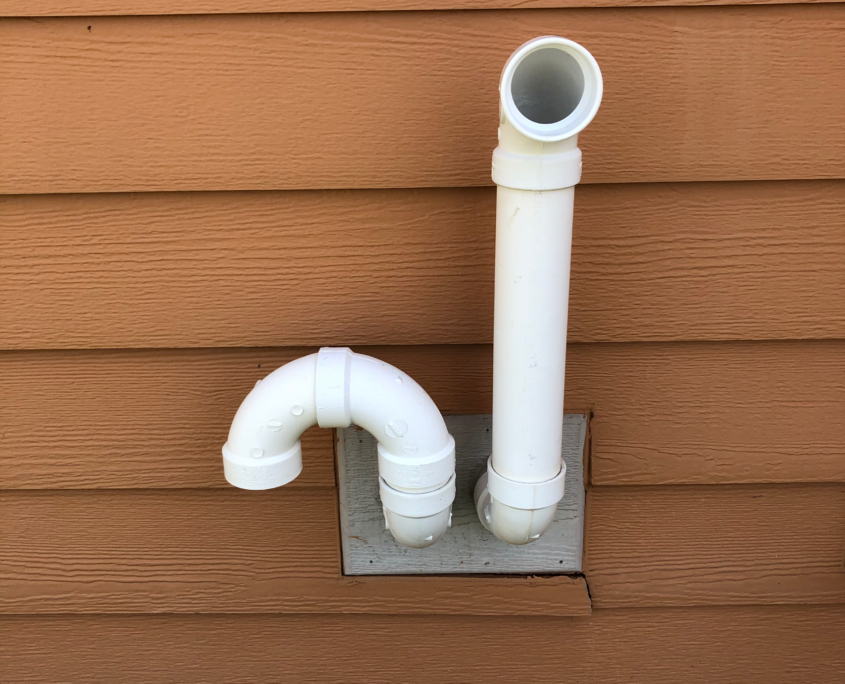
Imagine trying to clear your nose when you have a terrible cold. It's frustrating, right? Appliances feel the same way when their exhaust vents or flues get blocked. These are the pipes designed to safely escort all those combustion byproducts – including CO – out of your apartment and into the great outdoors.
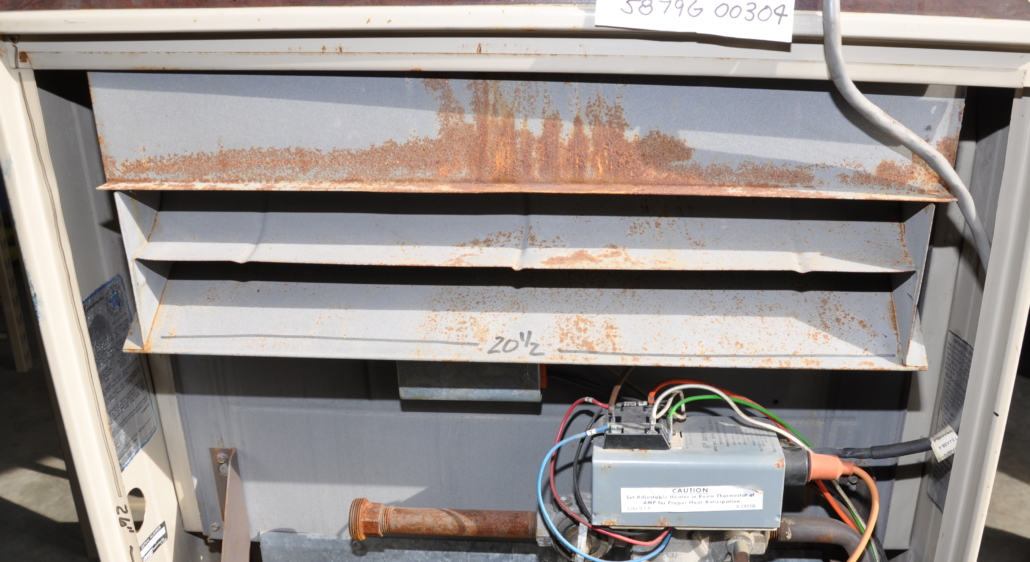
But what if a bird decides to build a nest in your chimney? Or leaves pile up on your outdoor vent? Or perhaps your dryer vent, which isn't directly a CO source but can connect to other venting systems, gets completely clogged with lint (a fire hazard in itself, by the way!). When these escape routes are blocked, the CO has nowhere to go but back into your living space. It's like trying to get out of a crowded party through a locked door – eventually, you're just stuck inside.
The "Oops!" Moments: When Good Intentions Go Awry
Sometimes, CO shows up because of things we do, often without realizing the danger. This is where the funny comparisons turn a little more serious, but still with that nod-and-a-smile relatability.
- BBQ indoors: We've all probably had that "great idea" moment during a rainy day, eyeing the charcoal grill on the balcony. "Just for a minute!" you think. But never bring a charcoal grill, gas grill, or propane heater inside. They are designed for open air, and indoors, they become instant CO factories. It’s like trying to teach a fish to ride a bicycle – it just doesn't belong.
- Running a car in the garage: Especially if it's attached to your apartment. You're just warming it up for a sec, right? Even with the garage door open, CO can seep into your living space. Your car's exhaust pipe is a notorious CO producer. It's like inviting a dragon to tea; cool concept, but probably a bad idea for your furniture (and lungs).
- Generators: Power outage? Generators are lifesavers, but they absolutely must be used outdoors, far away from windows and doors. They're like that one friend who's super useful but also a little wild and needs a lot of space.
Your Superhero Sidekick: The CO Detector
So, feeling a bit overwhelmed? Don't be! The good news is that preventing CO buildup is surprisingly straightforward. Your absolute best friend in this scenario is a carbon monoxide detector. Think of it as your apartment's tiny, vigilant superhero, always on patrol for that invisible party crasher.
These little gadgets are designed to screech like a banshee if CO levels get too high, giving you and your loved ones plenty of warning to get out. Make sure you have them on every level of your home, especially near sleeping areas, and check their batteries regularly. It's like having a smoke detector, but for the stuff you can't smell or see.
A little regular maintenance for your appliances (annual check-ups, just like you visit the doctor!) and a healthy respect for where you burn things will keep your apartment happy, healthy, and free of any unwelcome, silent guests. Stay safe out there, folks!