What Can Cause The Carbon Monoxide Alarm To Go Off
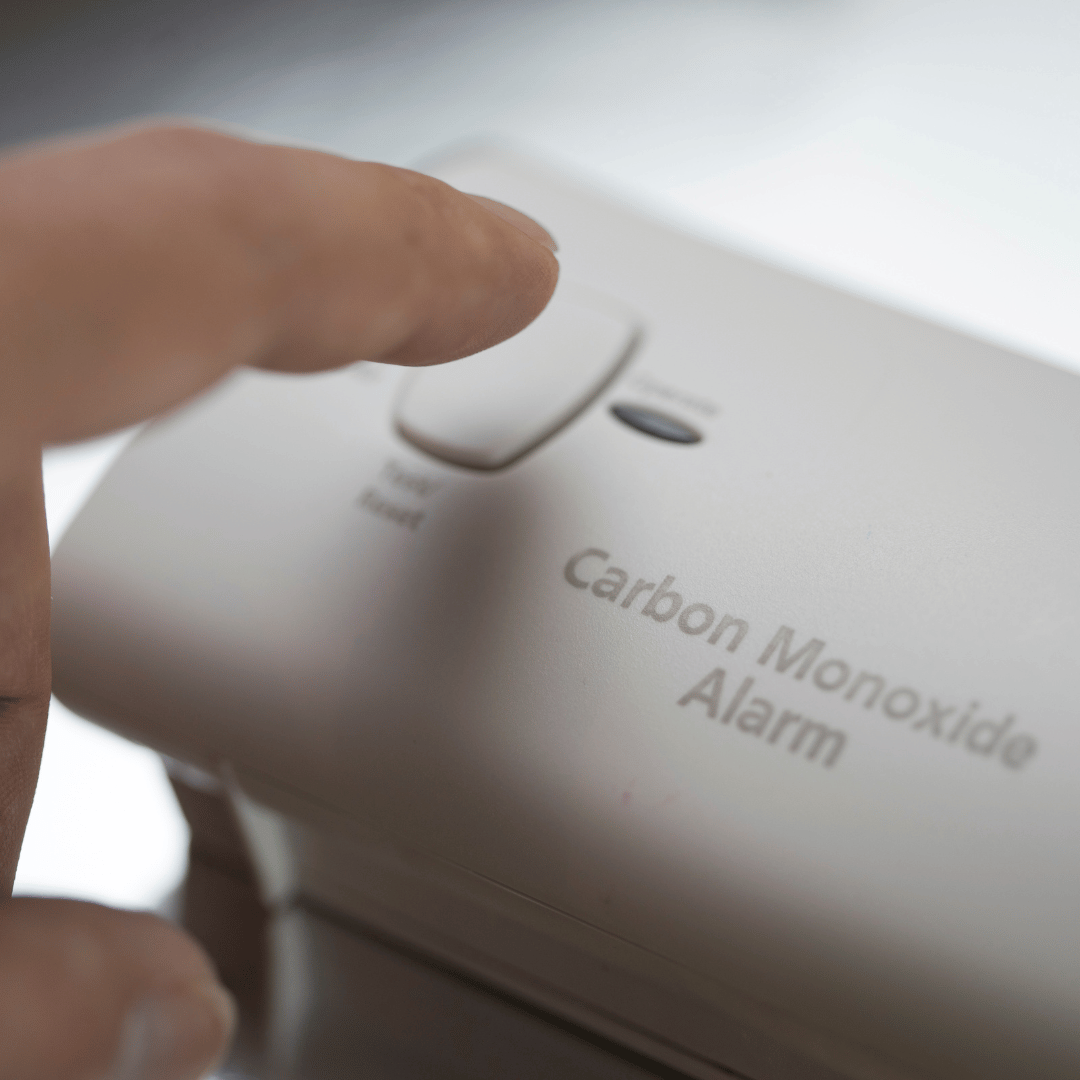
Ever been startled by a high-pitched beep that sends a shiver down your spine? It's not always your smoke alarm crying wolf! Sometimes, it's its silent, invisible cousin: the carbon monoxide (CO) alarm. While the sound itself isn't exactly a party starter, understanding what triggers these crucial devices can actually be quite empowering and, dare I say, fascinating. It's like solving a detective mystery where the stakes are incredibly high – your safety!
Why bother unraveling this mystery? Because your CO alarm is a lifesaver, plain and simple. Carbon monoxide is often called the 'silent killer' because it's odorless, colorless, and tasteless. You can't see it, smell it, or taste it, but it can be deadly. When that alarm shrieks, it's not trying to annoy you; it's giving you a critical heads-up. Knowing the common culprits helps you react quickly, safely, and intelligently, potentially preventing a serious health hazard and giving you immense peace of mind.
So, what exactly makes this vigilant little gadget spring into action? Let's peek behind the curtain:
Must Read
1. Malfunctioning Appliances: This is the big one. Your furnace, water heater, gas stove, oven, or even a fireplace that isn't properly maintained or vented can become a CO factory. If combustion isn't complete, CO is produced. Think of it as your appliance taking a bad breath – and you definitely don't want to inhale it!
2. Blocked Vents or Chimneys: Leaves, bird nests, or even structural damage can block the flue or chimney that's supposed to carry exhaust gases safely outside. When these are blocked, CO has nowhere to go but back into your home. It's like a traffic jam for toxic fumes.

3. Backdrafting: Sometimes, due to pressure differences in your home, exhaust gases can be pulled back inside instead of venting out. This is less common but can happen, especially with powerful exhaust fans running elsewhere in the house.
4. Running a Vehicle in an Attached Garage: Even for a 'quick minute,' never leave your car running in an attached garage, especially with the garage door closed. CO fumes can easily seep into your living space through shared walls or open doors.
5. Portable Generators & Grills Indoors: These are outdoor heroes, not indoor ones. Using a portable generator, charcoal grill, or propane stove inside (or too close to windows/doors) is an absolute no-no. The CO output is immense and extremely dangerous in enclosed spaces.
6. Neighbor's CO: While rare, if you live in an apartment or duplex, a significant CO leak from a neighbor's unit could potentially trigger your alarm, especially if you share ventilation systems.

7. Alarm End-of-Life or Dead Batteries: Sometimes, the alarm itself is the culprit! Most CO detectors have a lifespan (usually 5-7 years). When they reach their expiration date, they'll often chirp or beep to let you know it's time for a replacement, which can sometimes be confused with a CO detection. Similarly, low or dead batteries will make it chirp – but this is different from the continuous, urgent alarm for CO.
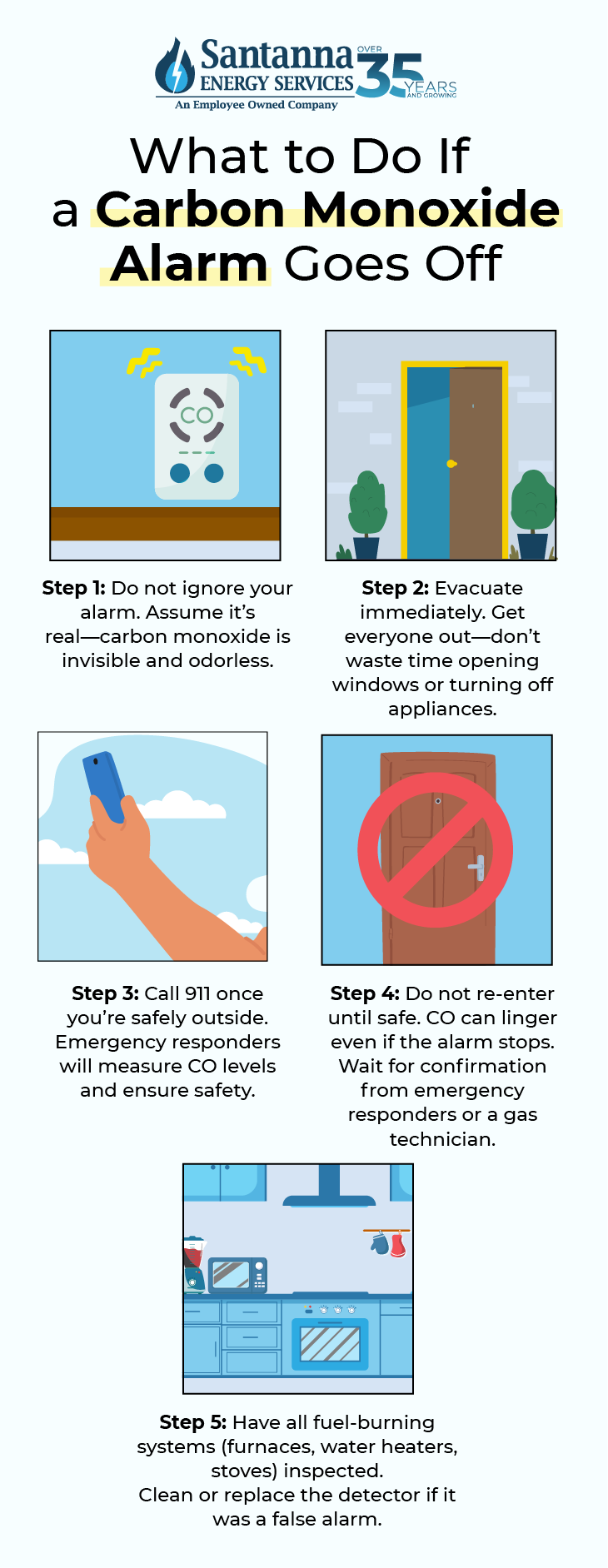
If your CO alarm ever goes into its full, urgent siren mode, don't play detective first! Assume it's real. Get everyone out of the house immediately and call 911 or your local fire department from a safe location. They have the right equipment to assess the situation.
So, the next time you hear that distinct alarm, you'll be armed with knowledge. Your CO detector is your home's unsung hero, constantly sniffing the air for invisible danger. Keep it maintained, understand its warnings, and you'll keep your household safe and sound. Stay smart, stay safe!