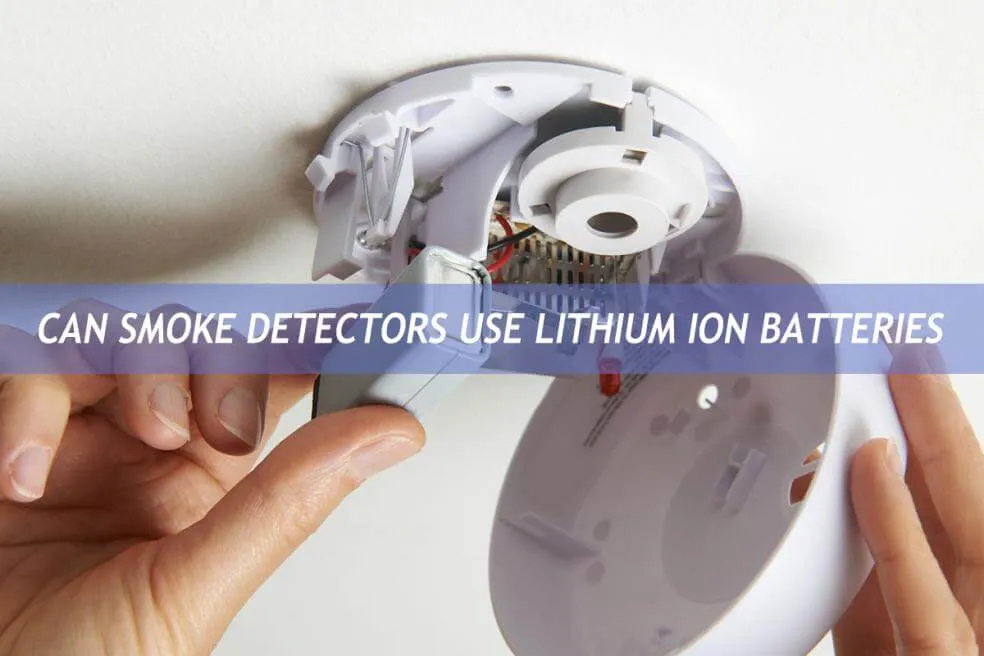
What Batteries Does A Smoke Detector Take
Alright, let's dive into something that, on the surface, might seem as thrilling as watching paint dry: the humble smoke detector battery. But hold on a second! What if I told you that understanding this tiny detail could not only save your life but also empower you, make you feel like a DIY superhero, and banish that infamous, sleep-destroying chirp forever? Intrigued? Good! Because knowing what batteries your smoke detector takes is actually a surprisingly fun, adulting hack.
We've all been there, right? That sudden, piercing BEEP in the dead of night. Is it a ghost? An alien invasion? Nope, just your smoke detector trying to tell you something important, albeit loudly and inconveniently. The culprit? Usually, a low battery. But before you grab the nearest hammer (kidding, mostly!), let's figure out what kind of power source your little lifesaver actually needs.
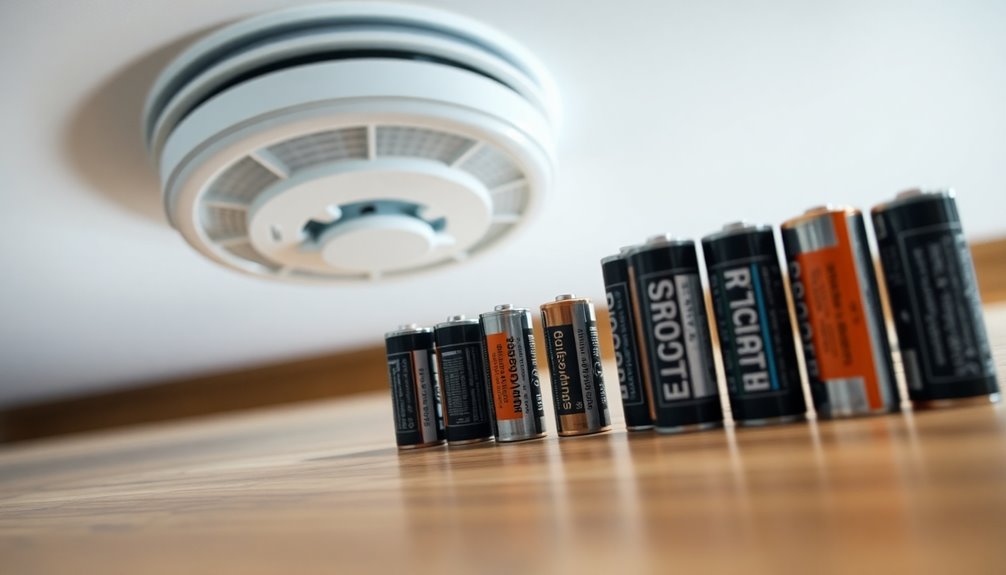
The Usual Suspects: The Three Battery Musketeers
When it comes to smoke detectors, there isn't a single, one-size-fits-all answer. It's more of a "choose your own adventure," depending on when your detector was made and its specific model. But don't fret, the options are pretty straightforward. Let's meet the main contenders:
Must Read
1. The Classic Commander: The 9-Volt Battery
Ah, the 9-volt battery. You know the one – that rectangular block with the two little snaps on top. For years, this was the undisputed king of smoke detector power. Many older models and even some newer, basic units still proudly sport this power pack. If your smoke detector has a little slide-out compartment or a twist-off back, there's a good chance you'll find a 9-volt waiting to be replaced. They're reliable, readily available, and a staple of the battery world. Always a solid choice for a good, old-fashioned chirp-stopper!
2. The Modern Mainstays: AA and AAA Batteries
Welcome to the 21st century! Many modern smoke detectors, especially those with advanced features like carbon monoxide detection or smart home integration, have transitioned to more common household batteries: AA or AAA batteries. Why? Well, they're super popular, often cheaper in bulk, and sometimes offer a slightly longer life depending on the detector's design. Plus, you probably already have a stash of them for your remote controls and kids' toys. Convenience is the name of the game here! Just make sure you know whether it's AA or AAA – they look similar but are definitely not interchangeable!

3. The Long-Haul Heroes: Lithium Batteries (Often Sealed)
And then there's the superhero of the battery world for smoke detectors: the lithium battery. These are often built right into the unit and are designed to last for the entire lifespan of the smoke detector – typically 10 years! You often can't (and shouldn't try to) remove or replace these. If your smoke detector explicitly states "10-year battery" or "sealed battery," congratulations! You've got one of these long-haulers. This means you probably won't have to worry about changing batteries at all, just replacing the entire unit after a decade. Talk about set-it-and-forget-it peace of mind!
So, How Do You Know Which One Yours Takes?
This is where the detective work (the fun part!) comes in. The easiest way? Read the label! Seriously, your smoke detector likely has a sticker on the back or inside the battery compartment that clearly states the required battery type. If not, carefully open the battery compartment and take a peek at the existing battery. Snap a picture with your phone if you want to be extra sure before heading to the store.

And hey, while you're in there, remember to always test your smoke detectors monthly! There's usually a "test" button right on the unit. Give it a push! A quick, loud beep confirms it's working. If it doesn't beep, or if it chirps weakly, it's definitely time for a new battery (or a new unit if it's a sealed lithium type).
Why Does This Mundane Detail Matter (And Make Life More Fun)?
Let's be honest, changing a battery isn't exactly skydiving. But understanding this small detail brings huge benefits:

- Peace of Mind: Knowing your home is protected? Priceless.
- Silence is Golden: No more midnight chirps! Your sleep (and your sanity) will thank you.
- Empowerment: You're not waiting for someone else; you're taking charge of your home safety. That's empowering!
- Preventative Power: A tiny bit of knowledge helps prevent big problems. You're proactively protecting your loved ones and your belongings.
See? It's not just about a battery; it's about being prepared, being safe, and being a little more in tune with the world around you. It’s about taking care of the small things that protect the big things.
So, the next time you hear that test button beep, or if you're ever faced with that dreaded low-battery chirp, you'll be ready. You'll know exactly what to do, what battery to grab, and why it all matters. This small act of home maintenance isn't just a chore; it's an investment in your safety and a testament to your capability. Go on, check your detectors! You've got this. And who knows what other little bits of home wisdom you'll uncover along the way?