What Are The Vertical Columns On The Periodic Table Called
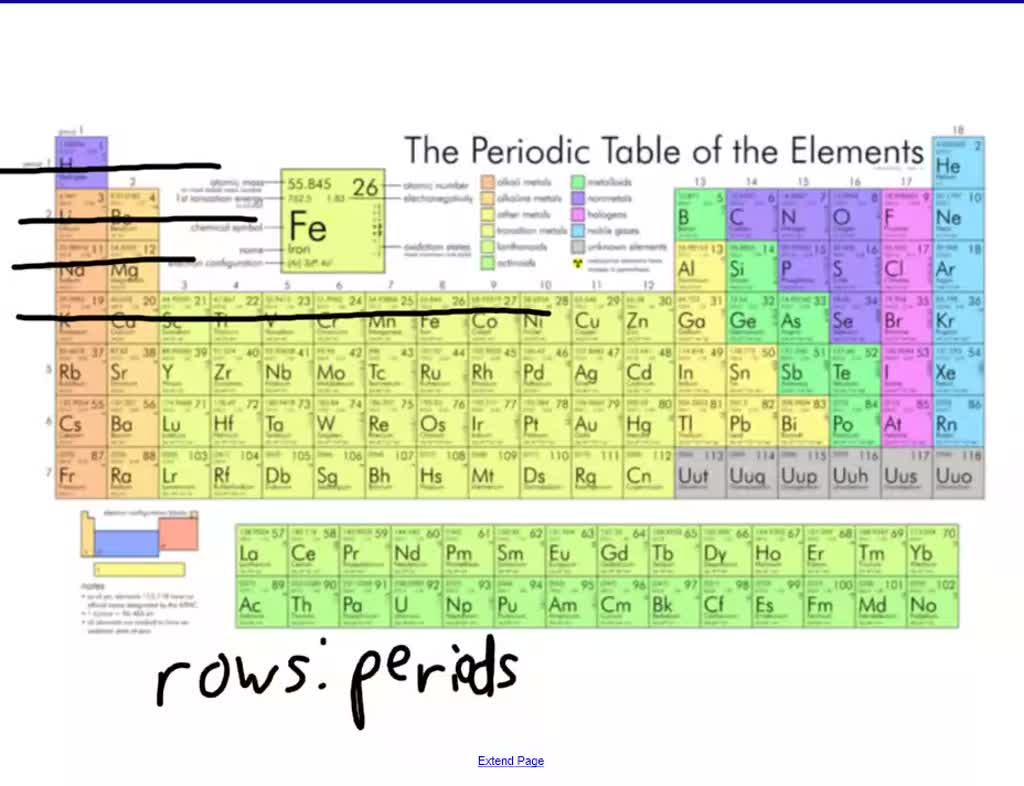
The periodic table – it's not just a poster on the wall of your high school chemistry lab! It's a roadmap to the entire world of elements, those fundamental building blocks of everything around us. And understanding its basic layout can unlock a surprisingly fun and useful level of scientific literacy. One of the key features of this table are the vertical columns. So, what are they called, and why should you care? Let's dive in!
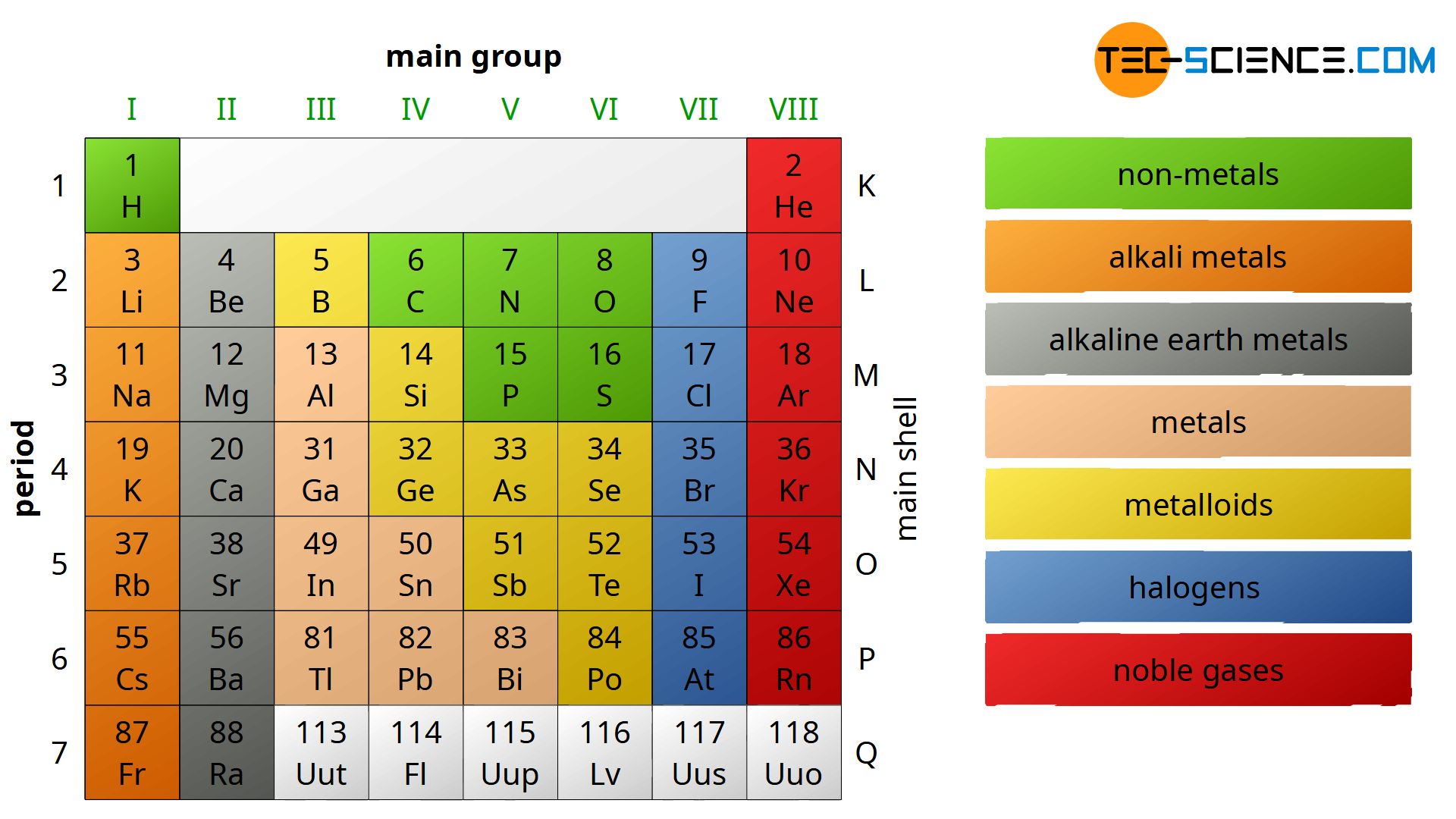
Those vertical columns you see marching down the periodic table are called groups or families. Thinking of them as "families" is a great way to remember their significance. Elements within the same group share similar chemical properties, meaning they tend to react in similar ways. This shared behavior is due to their similar electron configurations, specifically the number of electrons in their outermost shell (also known as valence electrons).
Why is knowing about groups useful? Well, for beginners, understanding that elements in a group behave similarly makes learning about them much easier. Instead of memorizing the properties of dozens of individual elements, you can learn the general characteristics of a few key groups. For families with kids interested in science, exploring the periodic table together can be a fun and educational activity. You can point out elements they encounter every day, like sodium (Na) in salt, and then show them other elements in the same group (alkali metals) which are also reactive with water, though often more violently. For hobbyists, particularly those interested in things like cooking, gardening, or even electronics, understanding elemental groups can provide insights into the chemical reactions that underpin these activities. Why does a particular fertilizer work better than another? The answer often lies in the properties of the elements within that fertilizer and how they interact with the soil.
Must Read
Let's look at a few examples. Group 1, the alkali metals (like lithium, sodium, and potassium), are all highly reactive metals. They readily donate an electron to form positive ions. This explains why sodium and potassium are crucial electrolytes in your body! Group 17, the halogens (like fluorine, chlorine, and bromine), are highly reactive nonmetals. They eagerly accept an electron to form negative ions. Chlorine is a powerful disinfectant because of its reactivity. Then there's Group 18, the noble gases (like helium, neon, and argon), which are famously unreactive, or "inert." This is why they're used in applications where you need a stable and non-flammable gas, like in light bulbs or balloons.
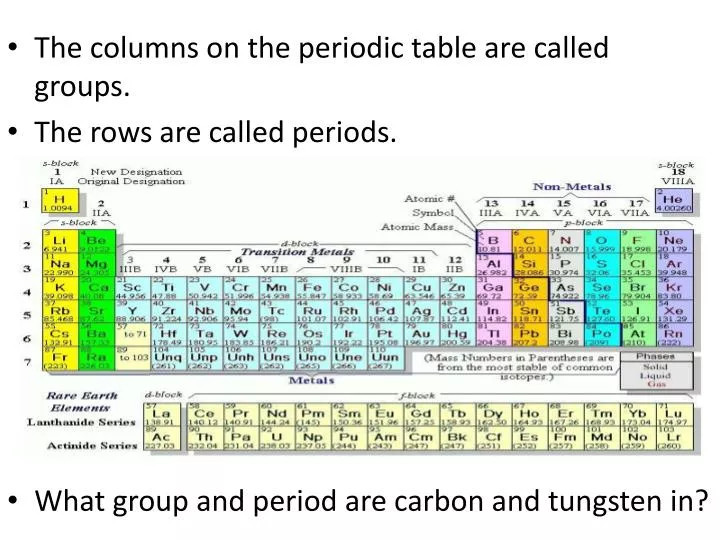
Getting started with exploring the groups is easier than you think! First, grab a periodic table (there are tons available online). Then, pick a group that intrigues you. Maybe it's the alkali metals, or the halogens, or even the noble gases. Read a bit about the elements in that group, focusing on their common characteristics and uses. You can find great information on websites like the Royal Society of Chemistry or even Wikipedia. Don't try to memorize everything at once! Just focus on understanding the big picture trends.
Finally, remember that the periodic table is more than just a chart; it's a story. It's a story of discovery, innovation, and the endless possibilities that arise when we understand the fundamental building blocks of our universe. Learning about the groups – those vertical columns – is a key chapter in that story, and it’s a journey well worth taking!