What Are The Types Of Fire Extinguishers
We all love a good adventure, a perfectly cooked meal, or the warmth of a crackling fireplace. But sometimes, life throws us a curveball – a rogue spark, an oil splutter gone wild, or a mysterious electrical sizzle. That's when we truly appreciate the unsung heroes of safety: fire extinguishers. It’s not about "enjoying" a fire, of course, but about the profound peace of mind that comes from being prepared to tackle one. Like a trusty sidekick or a well-placed parachute, a fire extinguisher is there to turn a potential catastrophe into a mere anecdote, letting us breathe a sigh of relief and get back to enjoying life.
The benefits are clear and crucial: fire extinguishers are your first line of defense against devastating fires, protecting your loved ones, your cherished possessions, and your property. They serve the vital purpose of quelling small fires before they escalate into uncontrollable blazes, giving you precious seconds to react, evacuate, or call for professional help. Think of it as hitting the pause button on a disaster in the making. From a minor grease fire in the kitchen to a sparking power strip in the office, having the right extinguisher can mean the difference between a minor cleanup and a life-altering event.
You’ll find these guardians of safety in countless places: under the kitchen sink, mounted on a wall in your garage, tucked away in the boot of your car, or prominently displayed in every office building, shop, and public space. They're essential for anyone who cooks, drives, works with electronics, or simply values safety. Whether you’re grilling burgers in the backyard, working on a DIY project in the shed, or running a bustling restaurant, the presence of a fire extinguisher is a silent promise of protection.
Must Read
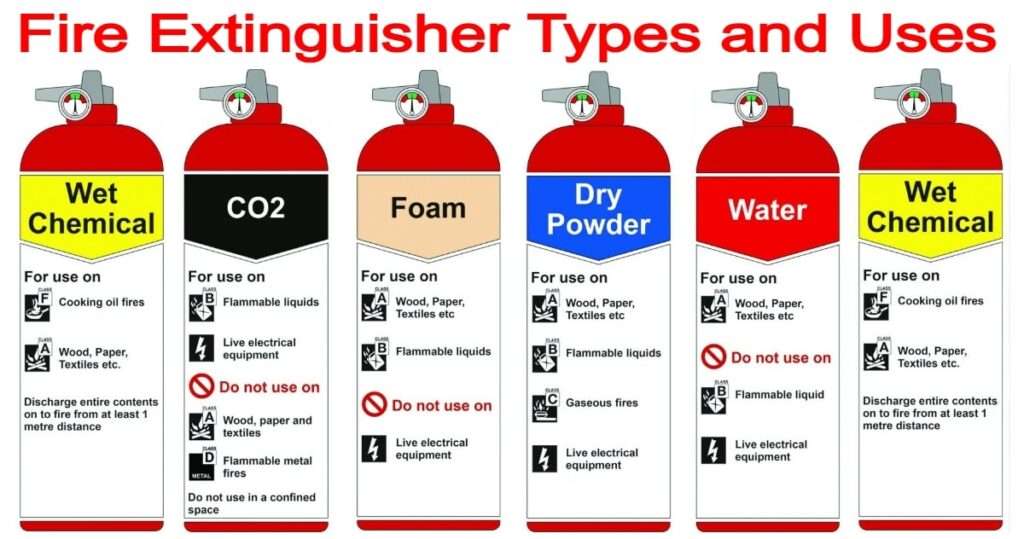
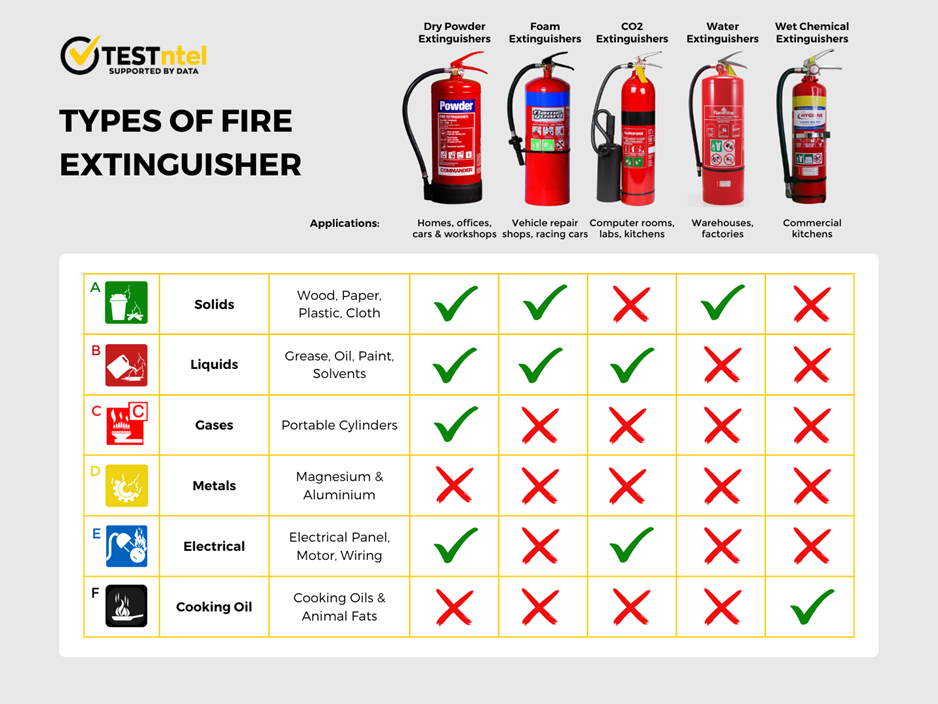
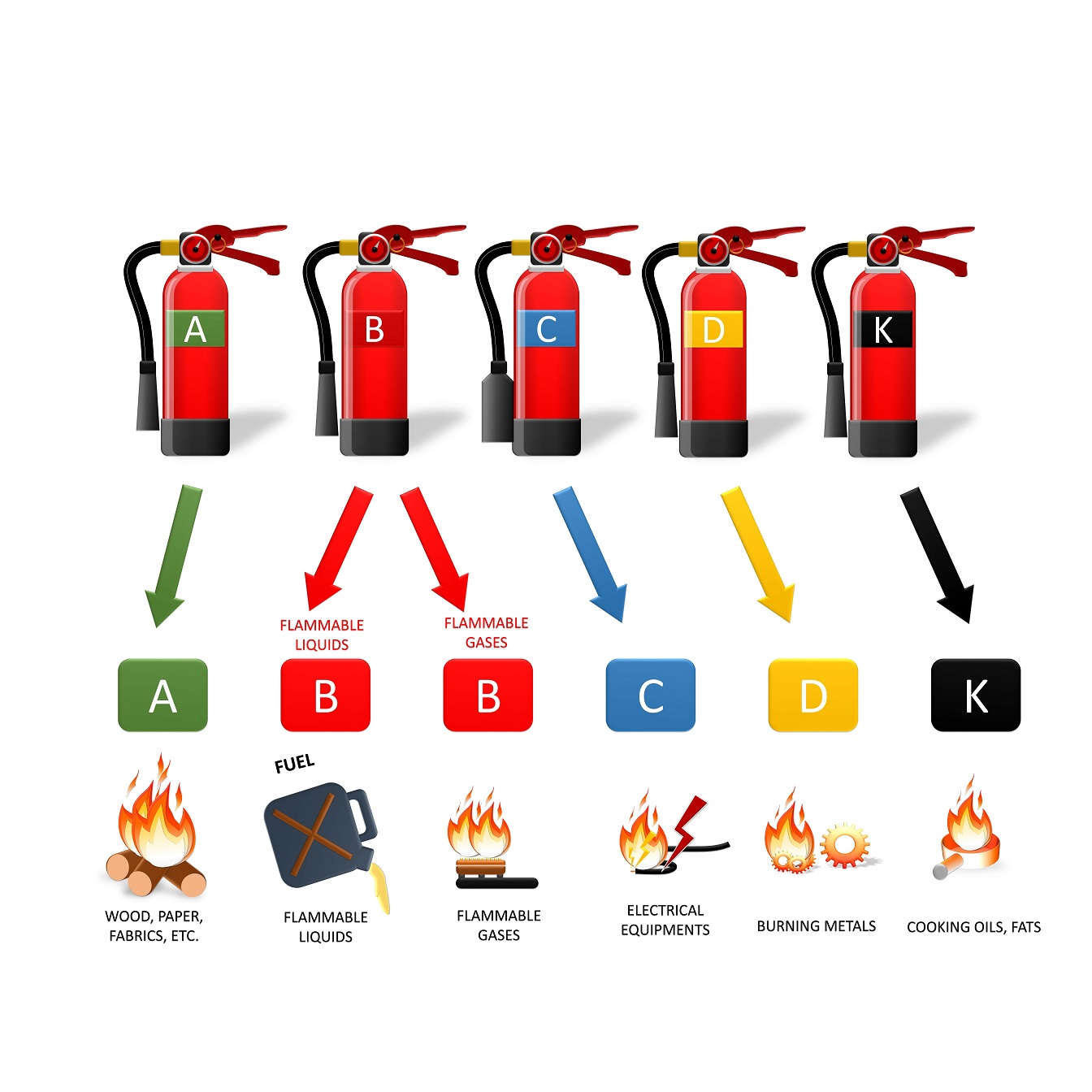
But here’s the rub: not all fires are created equal, and neither are all fire extinguishers. Using the wrong type can be ineffective or even dangerous! To enjoy your preparedness more effectively, you need to understand the different classes of fire and the extinguishers designed to combat them:
- Class A: These are for fires involving ordinary combustibles like wood, paper, cloth, and plastics. Think burning logs in a fireplace or a stack of newspapers. Most common extinguishers use water or dry chemical.
- Class B: This class tackles fires fueled by flammable liquids and gases, such as gasoline, oil, paint, propane, and solvents. Picture a spilled fuel can igniting. Dry chemical, foam, or CO2 extinguishers are your go-to.
- Class C: Crucially, these are for electrical fires involving live electrical equipment, wiring, or appliances. Attempting to use water here is a big no-no! Dry chemical or CO2 extinguishers are safe because they don't conduct electricity.
- Class D: A more specialized class for combustible metals like magnesium, titanium, and sodium, often found in industrial settings. These require very specific dry powder extinguishers.
- Class K: Specifically designed for commercial kitchen fires involving cooking oils and fats (like deep fat fryers). Wet chemical extinguishers are the heroes here, cooling and creating a non-combustible barrier.
For most homes and offices, a multi-purpose ABC extinguisher is a great all-rounder, covering ordinary combustibles, flammable liquids, and electrical fires. To use any extinguisher effectively, remember the PASS method: Pull the pin, Aim at the base of the fire, Squeeze the handle, and Sweep side-to-side. Always ensure your extinguisher is easily accessible, regularly checked for pressure, and that everyone in your household knows how to use it. Knowing your fire extinguisher types isn't just a safety tip; it's empowering knowledge that could save everything.