
What Are The Types Of Fire Extinguisher
Hey there, safety superstar! Ever looked at a fire extinguisher and thought, “Hmm, I wonder which kind of fire this little hero is designed to tackle?” If so, you’re in the right place! And if not, well, prepare to have your mind gently blown, because it turns out not all fire extinguishers are created equal. Who knew, right? It’s like picking the right superhero for the right villain – you wouldn’t send Aquaman to fight a desert fire (no offense, Arthur!).
Let’s dive into the fascinating, and surprisingly simple, world of fire extinguisher types. Trust me, it’s not as dry as it sounds – unlike some of the chemicals inside these cans!
Why Do We Even Have Different Types?
Think of it this way: fires aren't all the same. A blaze caused by a stack of old newspapers is very different from, say, an electrical short-circuit or a grease fire on your stove. Trying to put out an electrical fire with water is like trying to dry your hair with a garden hose – bad idea and potentially very dangerous! That’s why we categorise fires into different "classes."
Must Read
Each class of fire needs a specific kind of extinguishing agent. It’s all about removing one side of the "fire triangle" (heat, fuel, oxygen) in the most effective and safest way possible for that particular type of fuel. Smart, huh?
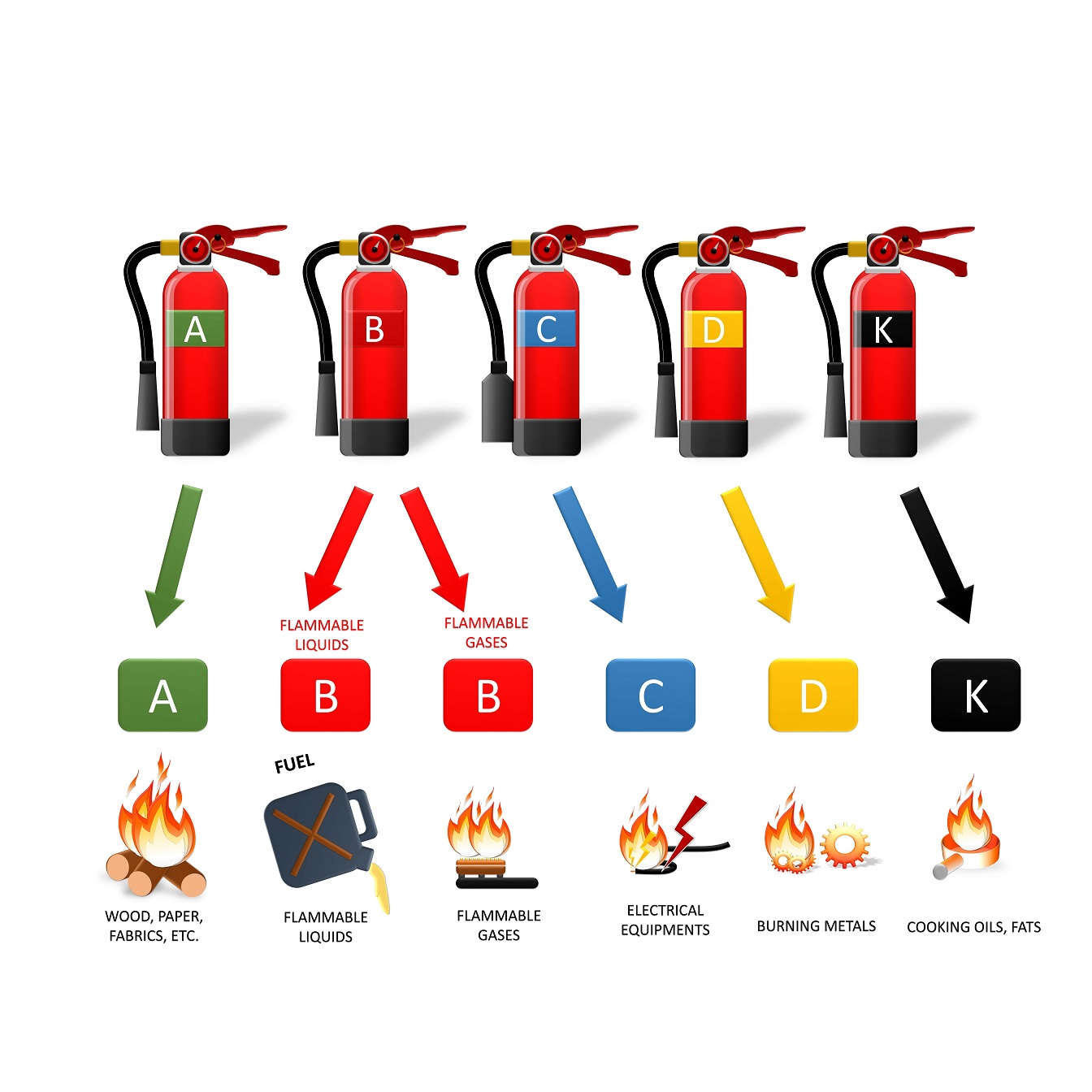
Class A: The "Ordinary Combustibles" Firefighter
This is probably the most common type of fire you'll encounter. We're talking about fires involving ordinary combustible materials. Think wood, paper, cloth, rubbish, cardboard – basically, anything that leaves an ash behind when it burns.
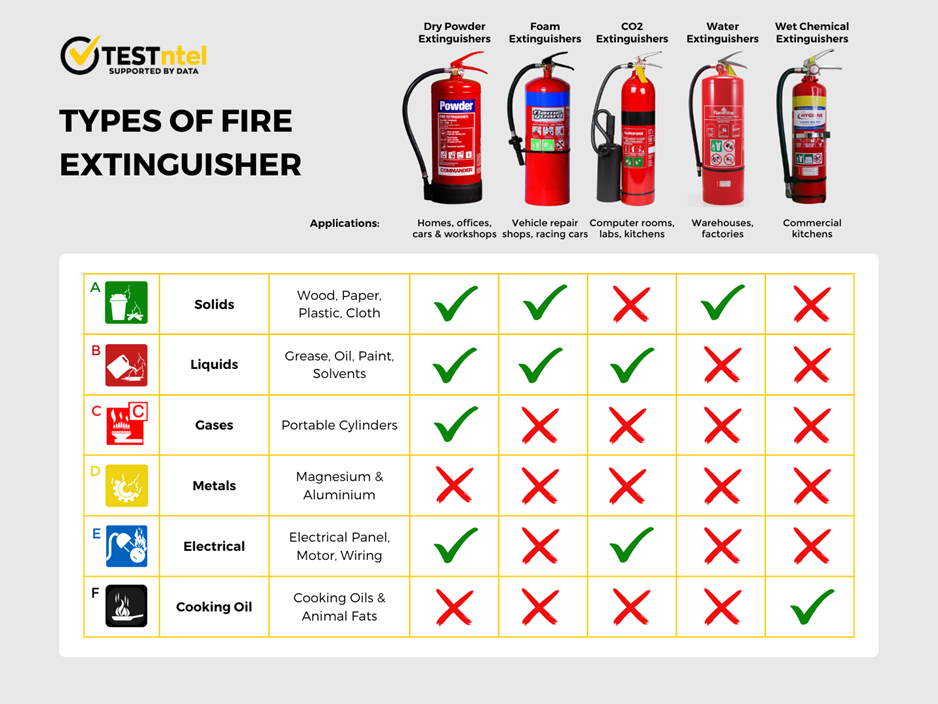
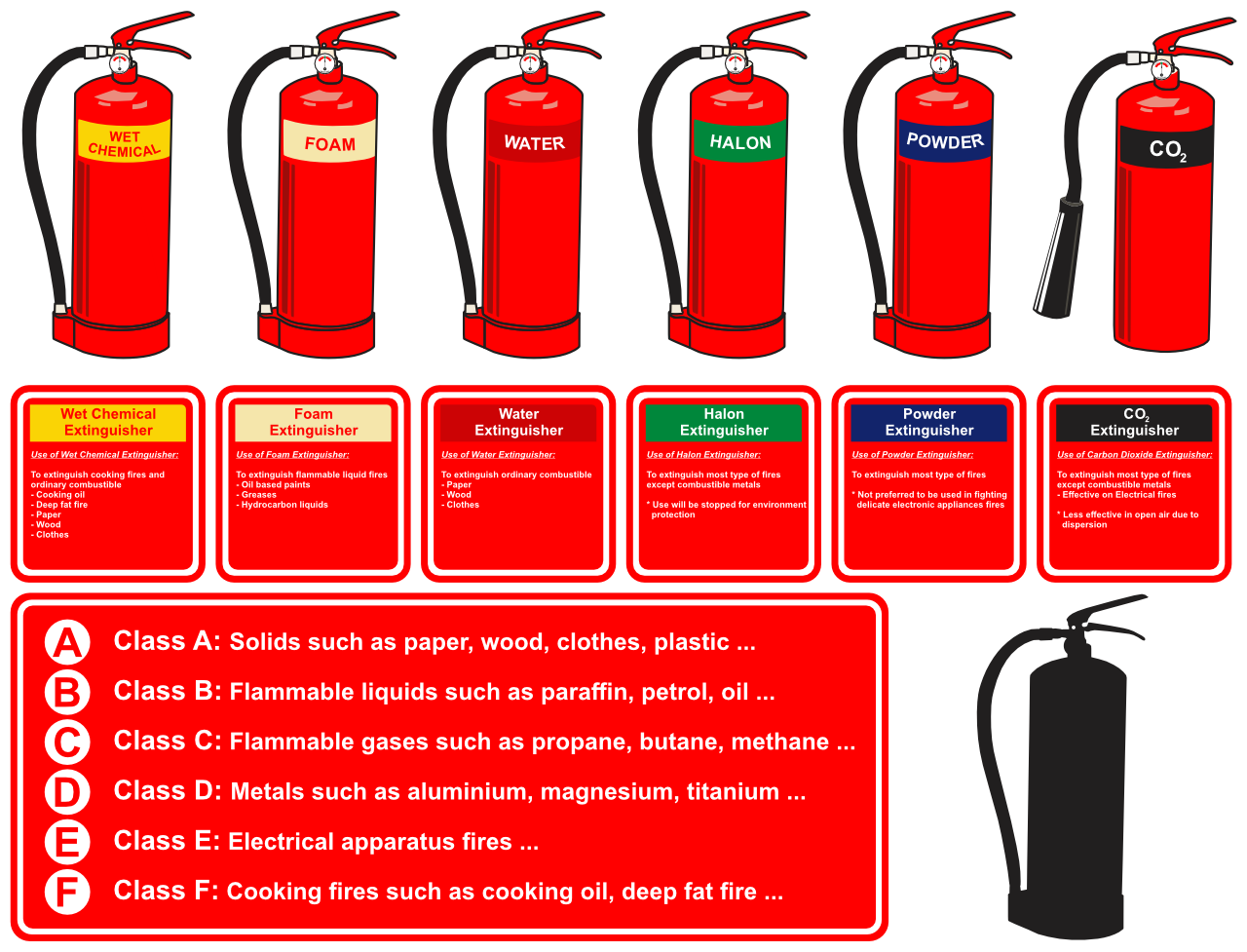
Class A extinguishers usually contain water or a water-based chemical. They work by cooling down the fuel and removing the heat component of the fire triangle. Simple, effective, and great for your typical campfire gone rogue (don't let that happen, though!).
Look for a green triangle with the letter “A” on it. Easy peasy!
Class B: The "Flammable Liquids" Specialist
Now we’re getting into the trickier stuff! Class B fires involve flammable liquids and gases. We’re talking petrol, oil, paints, solvents, propane, natural gas – basically, anything that sloshes or hisses and can ignite with a bang. You definitely don’t want to use water on these; it can spread the fire!
Class B extinguishers typically use chemicals like foam, dry chemical, or carbon dioxide (CO2). Their superpower? They work by smothering the fire, cutting off its oxygen supply. Imagine putting a lid on a burning pan – same principle, just with more fancy science!
Keep an eye out for a red square with the letter “B” inside. These are common in garages, workshops, and anywhere fuel is stored.
Class C: The "Electrical Equipment" Guardian
ZAP! These are fires involving energised electrical equipment. Think faulty wiring, overloaded power strips, short-circuiting appliances, or that ancient toaster that finally decided to go rogue. Remember what we said about water and electricity? Big no-no!
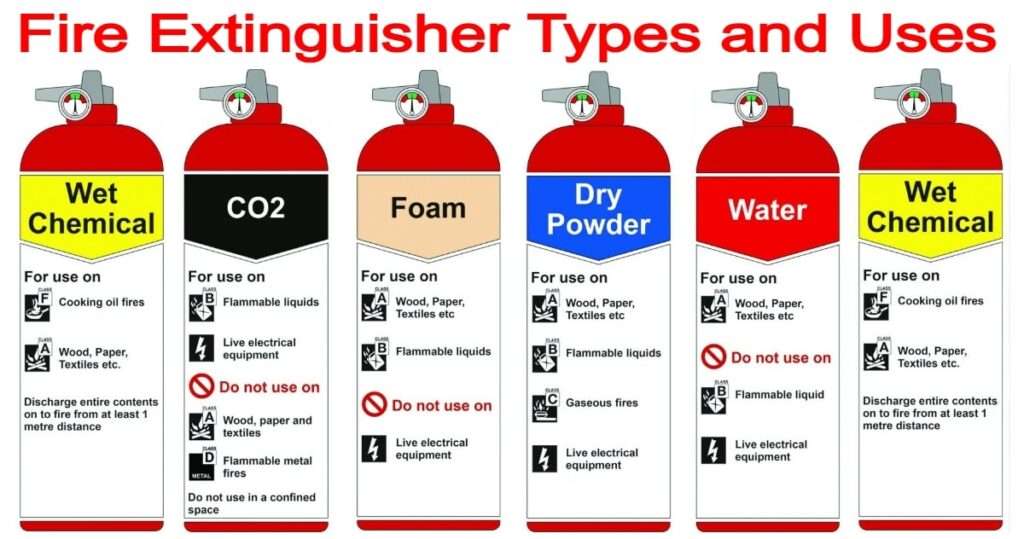
Class C extinguishers contain non-conductive agents like dry chemical or CO2. They work by either displacing oxygen (CO2) or interrupting the chemical reaction of the fire (dry chemical), all without electrocuting you or making the situation worse. Phew!
You’ll spot these by a blue circle with the letter “C.” Essential for offices, server rooms, and anywhere electronics rule the roost.
Class D: The "Combustible Metals" Unicorn
Okay, this one’s a bit niche. Unless you're working in an industrial plant dealing with things like magnesium, titanium, zirconium, or sodium, you probably won't ever see a Class D extinguisher. These metals burn super hot and react violently with water or even regular dry chemicals.
These special extinguishers use dry powder agents that smother the fire and absorb heat, without reacting dangerously with the burning metal. Definitely a specialist's tool!

Look for a yellow star with the letter “D.” If you see one, you’re probably in a very specific, very cool (and potentially very hot) environment.
Class K: The "Kitchen Chaos" Conqueror (or F for Fats/Oils in Europe!)
Calling all home cooks and restaurant chefs! Class K fires (sometimes called Class F in Europe and Australia) are all about cooking oils and fats, especially in deep fryers. These fires burn at incredibly high temperatures, and regular Class B extinguishers might not be enough, or worse, could spread the burning oil!
Class K extinguishers use a special wet chemical agent that creates a foamy blanket, effectively cooling the oil and preventing re-ignition. It’s like giving the fire a big, suffocating, bubbly hug. This process is actually called saponification, which basically means turning the burning oil into a non-combustible soap-like substance. Science is fun!
You'll see these in kitchens, restaurants, and anywhere deep-fat frying is a regular event. They usually have a black hexagon with the letter “K” (or a square with "F" if you're across the pond!).
The All-Rounder: ABC Extinguishers!
Feeling overwhelmed? Don't be! For most homes and many businesses, you'll find a trusty ABC extinguisher. These are the versatile "Swiss Army knives" of fire suppression, effective against Class A, B, and C fires. They usually contain a multi-purpose dry chemical, ammonium phosphate, which is like the superhero squad rolled into one can!
While super handy, it's still good to know their limits and to always have the right tool for the job. But for general preparedness, an ABC is a brilliant choice.
So, What's the Takeaway?
The most important thing to remember is: know your extinguisher! Take a quick peek next time you pass one. Knowing what type of fire it’s designed for could save property, or even lives. And always remember the PASS method for using an extinguisher (Pull, Aim, Squeeze, Sweep) – but that’s a chat for another day!
Ultimately, fire safety isn't about being scared; it's about being prepared and confident. So give yourself a pat on the back for being so informed today! You’re not just a safety superstar, you’re a fire-type-identifying safety superstar! Keep shining brightly (but not literally, of course!).