What Are The Sources Of Biomass
Okay, so picture this: Last autumn, I decided, in a moment of pure, unadulterated optimism, that I was finally going to conquer my backyard jungle. Leaves, fallen branches, last year’s slightly-too-enthusiastic sunflower stalks – you name it, it was there. I raked, I pruned, I piled. And as I stood back, sweaty and victorious, looking at this veritable mountain of organic debris, a thought struck me: This is a lot of stuff. And more importantly, it's all stuff that used to be alive and is now just... chilling. Decomposing. Waiting for its next big act.
And that, my friends, is basically the simplest, most backyard-level introduction to our topic today: biomass! No, not some futuristic sci-fi goo, but something far more fundamental and, honestly, kinda beautiful in its everyday existence. Biomass is, at its core, any organic material that comes from plants or animals, and it’s been soaking up the sun's energy its entire life. Think about it: a tree, a blade of grass, even that forgotten banana peel in your bin – they’re all little solar energy storage units. And guess what? We can tap into that stored energy. Pretty neat, huh?
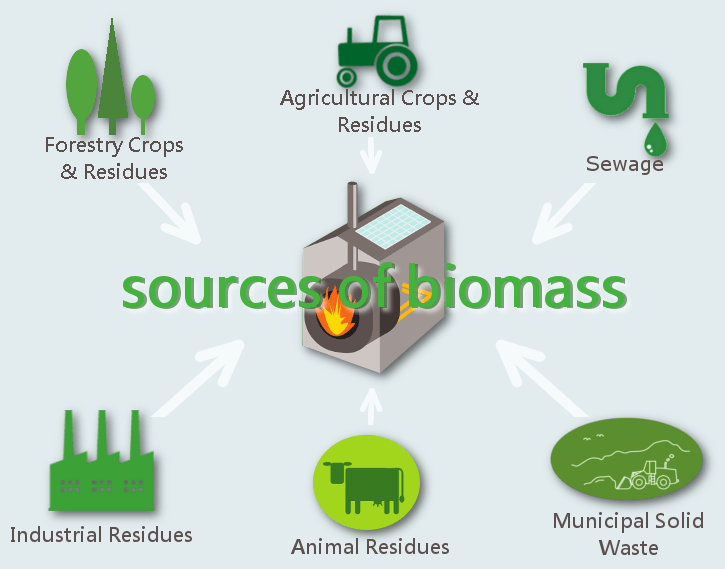
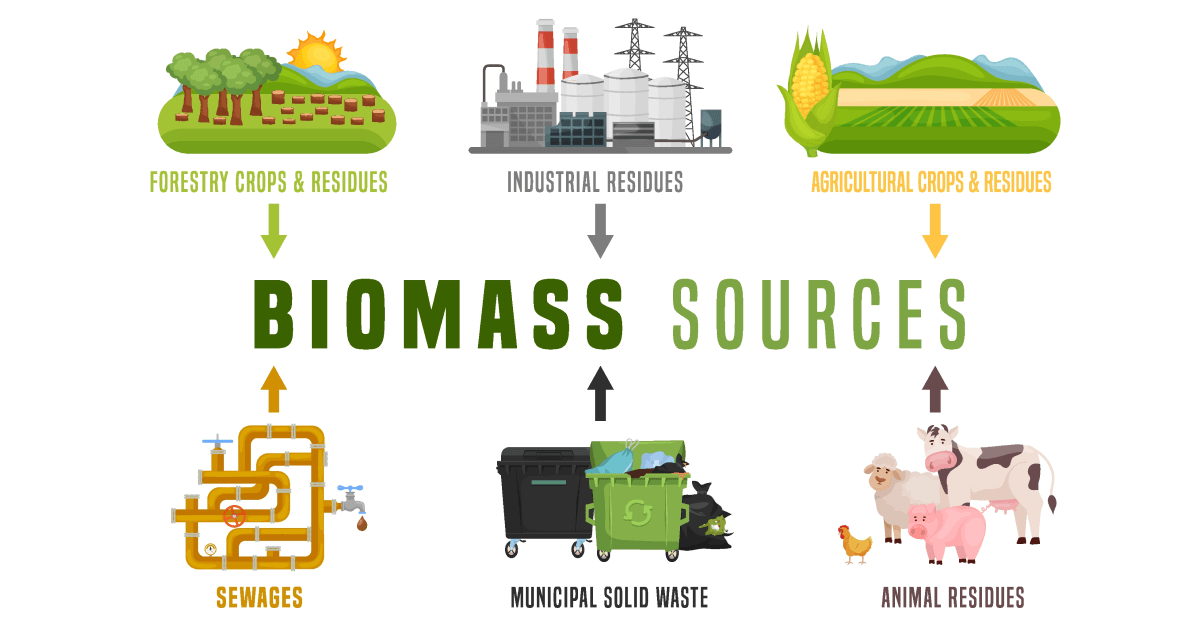
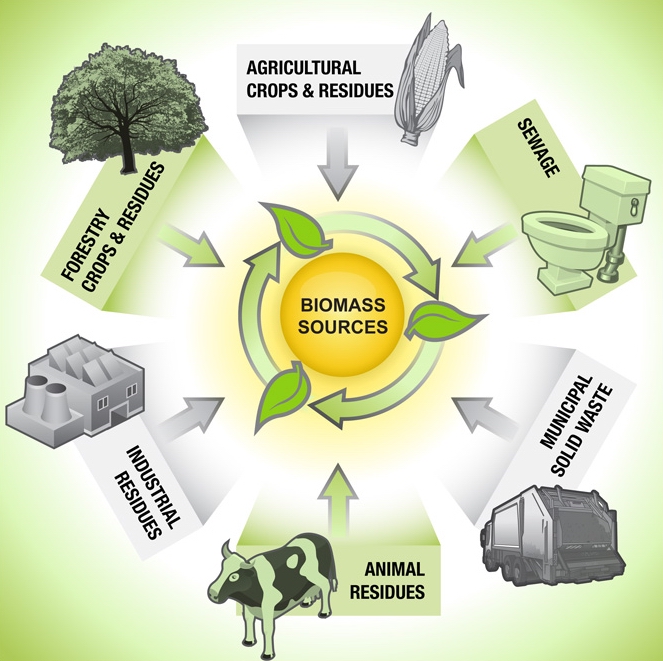
So, where exactly do we find all this amazing, energy-packed organic goodness? Well, spoiler alert: it’s pretty much everywhere. Let’s dive into the main hotspots where biomass hangs out, waiting for its moment in the energy spotlight.
Must Read
Agricultural Residues: The Farm's Leftovers (But Make It Useful)
First up, we've got the bounty from our farms. After harvesting crops like corn, wheat, or rice, what’s left behind? Stalks, husks, straw, leaves. Tons of it! Farmers used to just burn it off, or plow it back into the soil (which is good for the soil, don't get me wrong), but now we're getting smarter. These agricultural residues are a huge source of biomass. Imagine all the corn stover (the stalks and leaves after the corn cob is picked) from millions of acres. That's a serious amount of organic material just waiting to be converted into biofuels or used for heat and power. And let's not forget animal manure – yep, even that! It’s packed with energy and can be turned into biogas. Talk about a glow-up for farm waste, right?
Forestry Residues: The Woodsy Bits We Don't Use for Furniture
Next time you're hiking in a forest, take a look around. Besides the majestic trees, you’ll see fallen branches, leaves, twigs, and maybe even some stumps from trees that were harvested for lumber. When timber companies cut down trees, not all of it makes it to the sawmill to become planks for your IKEA furniture. There's a lot of "slash" or forestry residues left behind. This waste wood – the bits that are too small, too crooked, or just not suitable for construction – is a fantastic source of biomass. Sawmills also produce mountains of sawdust, wood chips, and bark that are perfect for energy generation. It’s essentially giving these woodsy bits a second life, preventing them from just decaying on the forest floor and releasing their carbon anyway.
![Available sources of biomass [11] | Download Scientific Diagram](https://www.researchgate.net/publication/331692635/figure/fig1/AS:759444744962048@1558077145390/Available-sources-of-biomass-11.png)
Energy Crops: Plants Grown Specifically for Power
Now, this is where things get really intentional. Instead of just using the leftovers, some clever folks decided, "Hey, why don't we grow plants specifically for energy?" Enter energy crops! These are plants that are cultivated for their high yield, fast growth, and ability to efficiently convert sunlight into biomass. Think of crops like switchgrass, miscanthus (a type of tall grass), fast-growing willow trees, or even certain types of algae. They’re often grown on marginal lands, not competing with food crops, and they're designed to be super-efficient energy factories. It’s like having a dedicated energy farm, which, if you ask me, sounds pretty sci-fi cool without actually involving spaceships.
Organic Municipal Solid Waste (MSW): Your Trash, Our Treasure
Alright, time to get a little less glamorous, but no less important: your trash! Or, more specifically, the organic component of your municipal solid waste. This includes things like food scraps, yard waste, paper, cardboard, and textiles. Instead of just sending it all to a landfill where it slowly decomposes and produces methane (a potent greenhouse gas, FYI), we can divert a significant portion of it. Composting is one way, but we can also use anaerobic digestion to turn food waste into biogas, or incinerate certain types of waste in waste-to-energy plants. It’s about looking at what we throw away and seeing not just "garbage," but a potential energy resource. A little gross, perhaps, but incredibly practical!
Aquatic Biomass: The Ocean's Green Energy
And finally, let's cast our net wider – literally! The aquatic world is teeming with biomass. Think about algae and seaweed. These guys grow incredibly fast, don't need land, and can absorb huge amounts of CO2. Algae, in particular, is being eyed as a superstar for future biofuels because it can be cultivated in bioreactors, producing oils that can be refined into fuels. Seaweed farms are also emerging, offering not just food but also potential for energy production. It's a vast, mostly untapped resource, and who knows, maybe one day your car will be running on something that started as pond scum. The future is weird, but potentially green!
So, there you have it. From the leafy mess in my backyard to the depths of the ocean, biomass is everywhere, patiently waiting to show us its energy potential. It’s a reminder that sometimes the most innovative solutions come from looking at what nature already provides, right under our noses (or under our feet, or floating in the sea). It's not just "waste" or "leftovers"; it's a vibrant, renewable energy source that keeps giving back. And that, I think, is pretty awesome.