What Are The Safest Places To Live In The Us
Ever found yourself daydreaming about a place where worries melt away, where you can leave your front door unlocked (figuratively, of course!), and neighborly smiles are the norm? You're not alone! The quest for a safe haven is deeply human, and it’s why discussions about the safest places to live in the U.S. are always so fascinating and popular. It's not just about avoiding trouble; it’s about finding a community where you can truly thrive, where kids can play freely, and where a sense of peace reigns supreme.
This isn't about fear-mongering; it's about empowerment and aspiration. Understanding what makes a place safe can help us all make more informed decisions about where we plant our roots, whether we're looking to relocate, raise a family, or simply find a serene retirement spot. The benefits? Imagine lower stress, stronger community bonds, and the freedom to enjoy your surroundings without constant vigilance. It’s about building a life where safety isn't a luxury, but a given.
So, what exactly makes a place "safe"? While low crime rates are often the first thing that comes to mind (and yes, they are crucial!), it's a much broader picture. We're talking about places with strong local economies that support good schools and services, communities where neighbors know each other and actively look out for one another, and areas with reliable emergency services. Sometimes, it even includes resilience to natural disasters, although that's a whole other fascinating rabbit hole!
Must Read
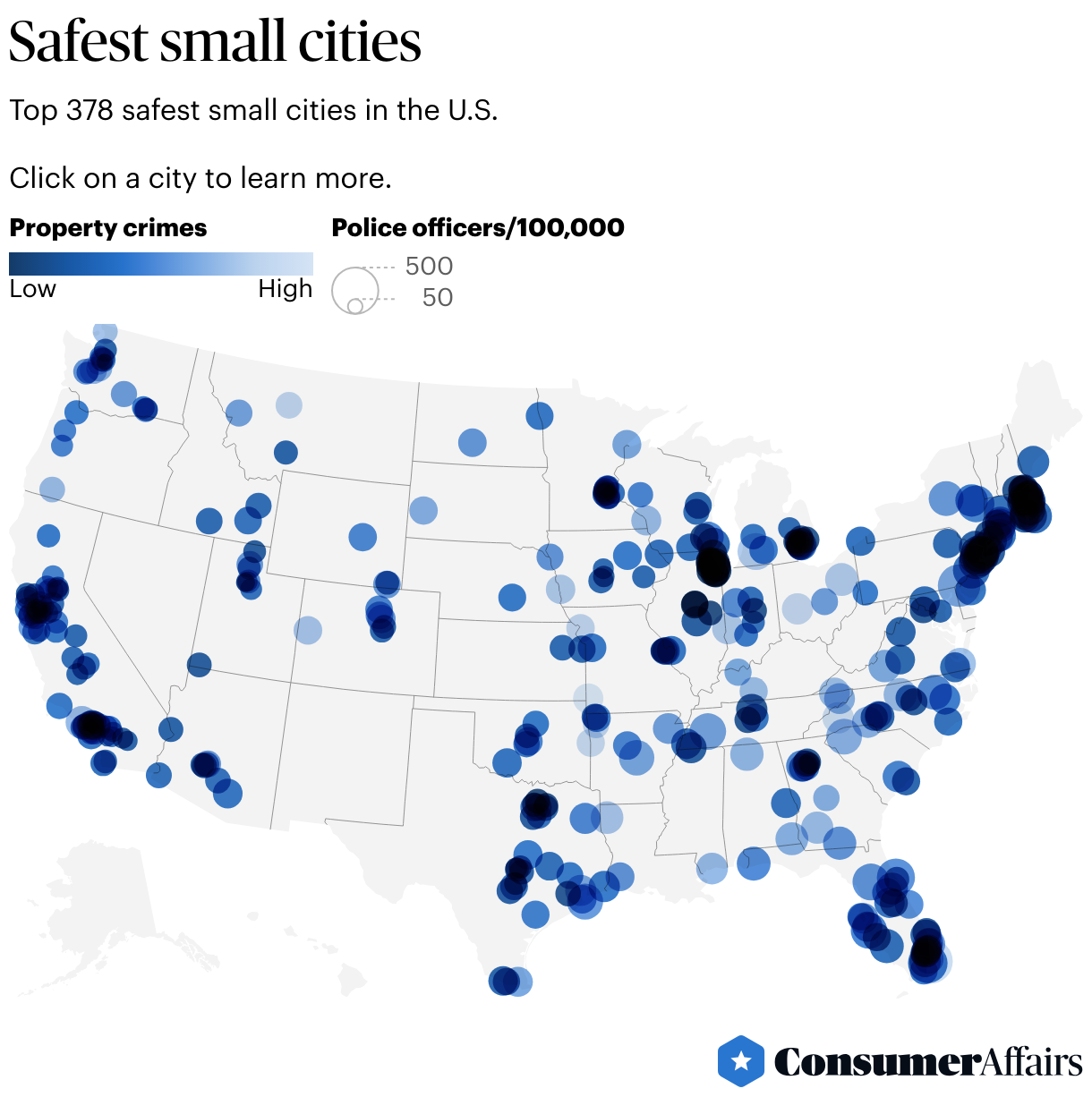
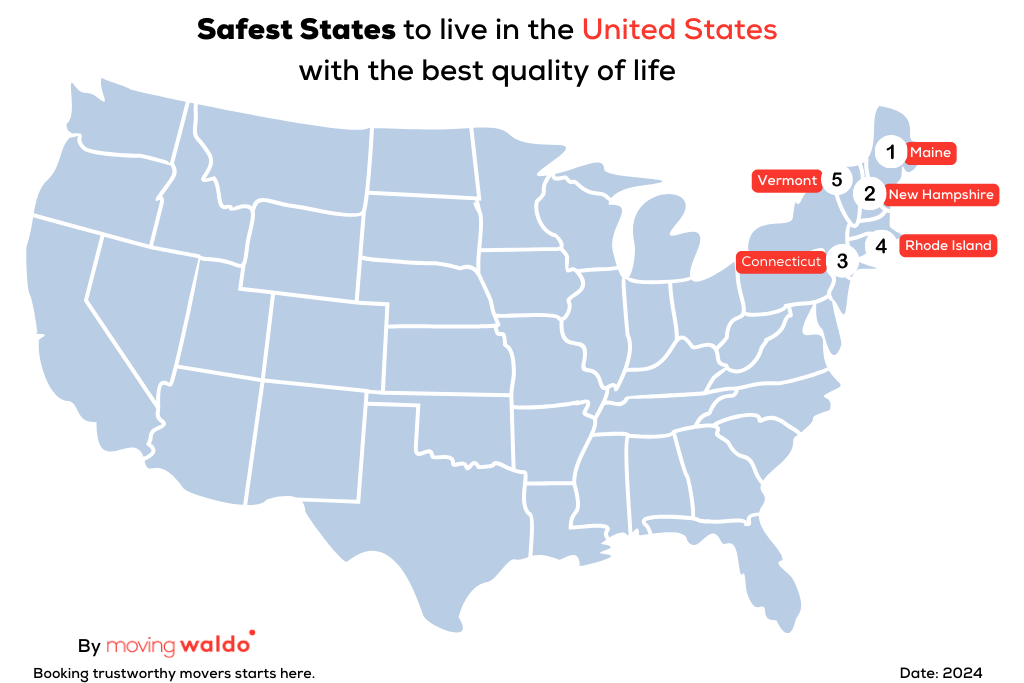
When you look at trends across the U.S., some interesting patterns emerge. Generally, you'll find many of the nation's safest spots nestled in charming, smaller towns and suburbs, often away from the hustle and bustle of major metropolitan centers. States in New England, for instance, frequently boast towns with incredibly low crime rates and a strong sense of historic community. Think Vermont, New Hampshire, and Maine – often lauded for their tranquil environments and tight-knit populations. The Midwest also has its share of hidden gems, particularly in states like North Dakota, South Dakota, and Iowa, where agricultural communities and family values often translate into very secure environments.

Beyond specific regions, places that invest heavily in community infrastructure—like excellent parks, libraries, and public events—often foster a greater sense of belonging and collective responsibility, which naturally deters crime. Access to good healthcare and educational opportunities also plays a significant role, indicating a stable and supportive environment for residents. It’s not just about what's missing (crime), but what's abundantly present (resources, community spirit).
Ultimately, the "safest place" is a blend of statistics and personal feeling. While data can point us towards areas with objectively low crime, the true feeling of safety often comes from the warmth of a welcoming community, the availability of resources, and the peace of mind that comes from knowing you belong. So, whether you're dreaming of a quiet New England village or a friendly Midwestern town, remember to consider the full picture. Happy researching, and may your future be filled with peace and security!