What Are The Rare Side Effects Of Repatha

Ever feel like understanding the nitty-gritty of medications is like cracking a secret code? It can be! And while we often hear about the amazing benefits drugs can provide, it's just as important – and arguably more fascinating – to peek behind the curtain and learn about the rarer side effects. Today, we're turning our attention to Repatha, a medication that helps manage cholesterol. Even though it's prescribed to many, it's worthwhile to understand all facets.
Repatha (evolocumab) belongs to a class of drugs called PCSK9 inhibitors. Think of PCSK9 as a tiny bouncer that prevents your liver from removing "bad" cholesterol (LDL-cholesterol) from your blood. Repatha essentially tells that bouncer to take a break, allowing your liver to clear out more LDL-cholesterol. The purpose of Repatha is to lower LDL-cholesterol levels and, in turn, reduce the risk of heart attacks, strokes, and other cardiovascular events. The benefits are enormous for individuals at high risk of heart disease, especially those who haven't achieved sufficient cholesterol lowering with statins alone.
You might not think about Repatha directly in daily life or education, but its implications are far-reaching. In medical schools, understanding drugs like Repatha is crucial for future doctors to make informed prescribing decisions. They learn about the mechanisms, benefits, and, of course, the potential side effects. For people managing high cholesterol, simply understanding how Repatha works can be empowering, allowing them to have more informed conversations with their doctor. For example, if someone's family has a strong history of heart disease, they might research Repatha as a possible preventative measure, engaging with medical professionals to assess their individual needs and suitability.
Must Read
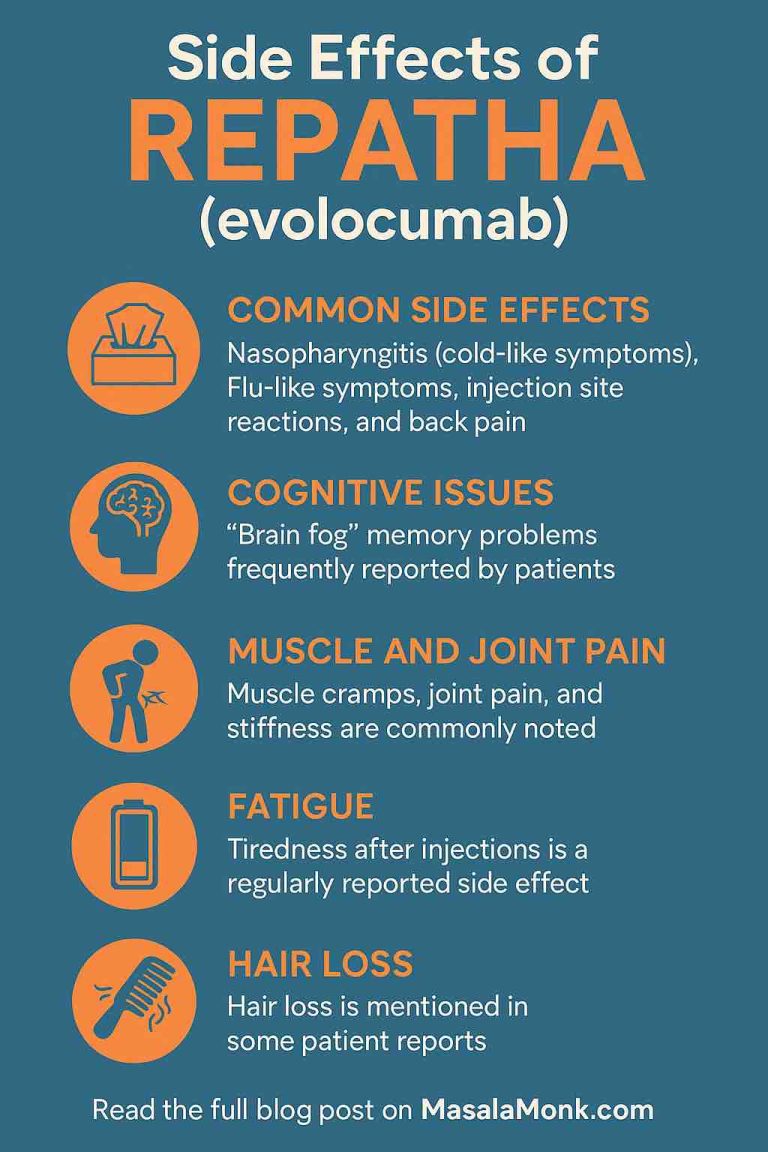
So, what about those rare side effects we mentioned earlier? While Repatha is generally well-tolerated, like any medication, it can have potential adverse reactions. The most common side effects are relatively mild, such as injection site reactions (redness, pain, or swelling), flu-like symptoms, or upper respiratory infections. However, the rarer side effects are what pique our curiosity. Some individuals have reported allergic reactions, which could manifest as rash, hives, or even more serious symptoms like difficulty breathing or swelling of the face, lips, tongue, or throat. Another reported, but rare, side effect is muscle pain or weakness. There have also been isolated reports of neurocognitive events like confusion or memory problems, although a direct causal link is not fully established and requires more research.
It's important to emphasize that these rare side effects are, well, rare. Most people taking Repatha experience no significant adverse effects. However, awareness is key. A practical tip is to always discuss any new symptoms or concerns with your doctor, regardless of how minor they might seem. Keep a journal of any changes you notice after starting Repatha. Another way to explore this topic further is to consult reputable medical websites and resources, such as the Mayo Clinic or the National Institutes of Health (NIH). Look for information on Repatha's prescribing information and clinical trial data. This way, you can become a more informed and engaged participant in your own healthcare journey.