
What Are The Physical Characteristics Of Copper
Let's talk about copper! You know, that reddish-brown metal that's probably lurking in your pennies, electrical wires, and maybe even your grandma's favorite cookware. But what makes copper, well, copper?
Shiny and New (and Then Not So Much)
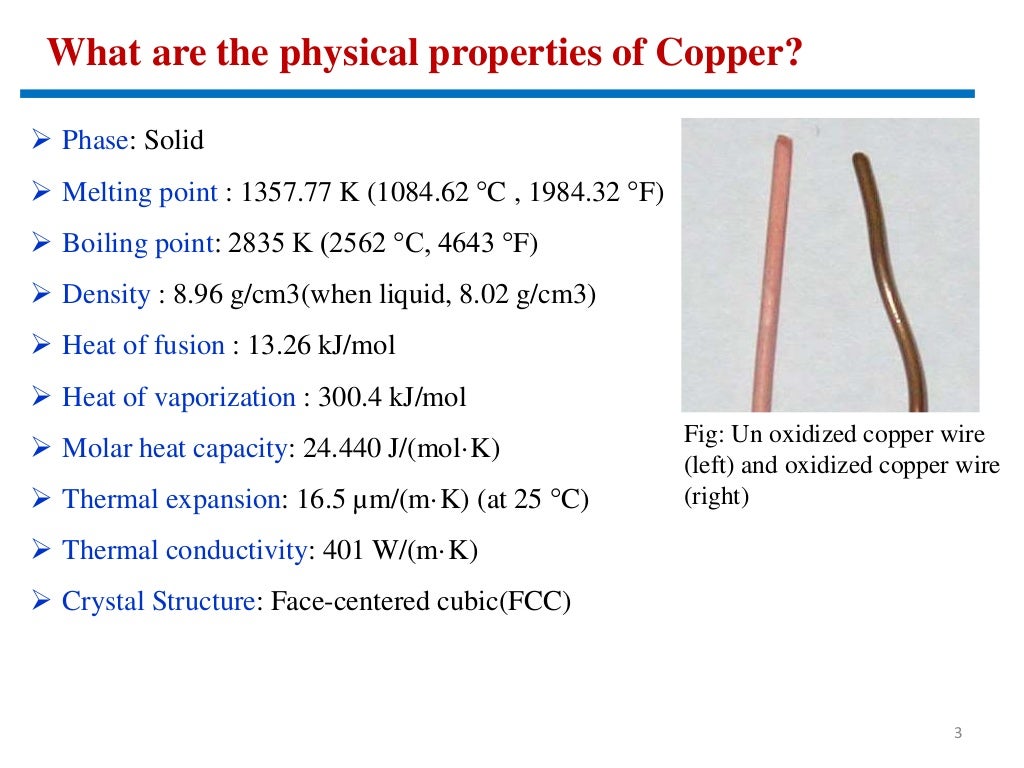
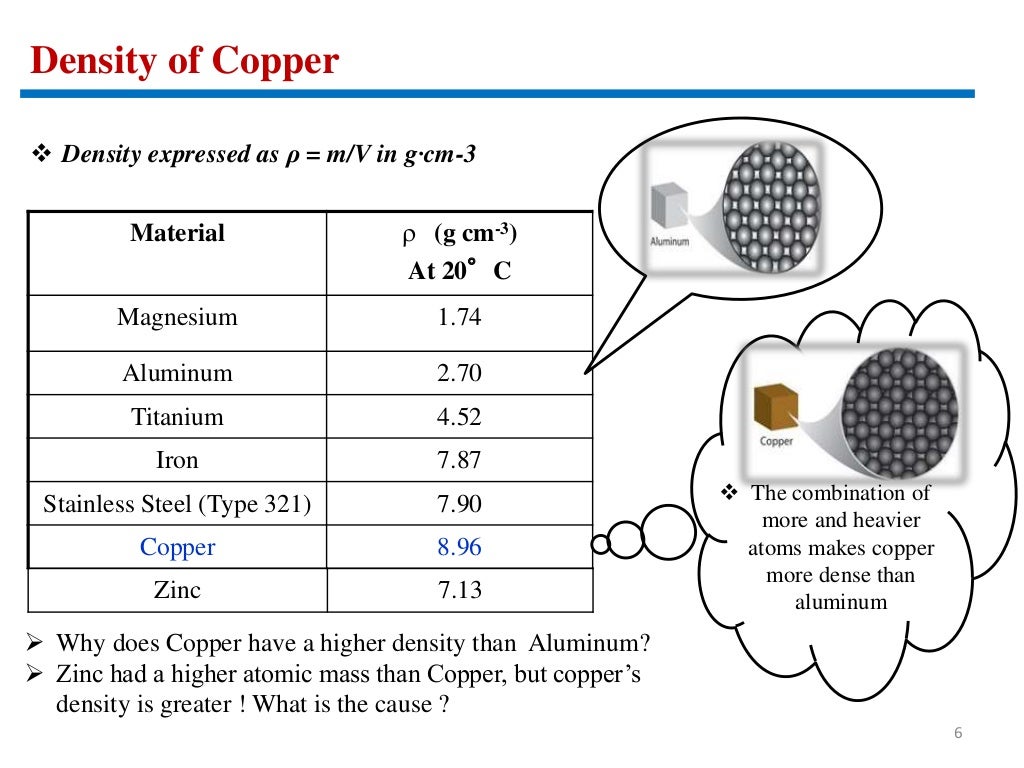
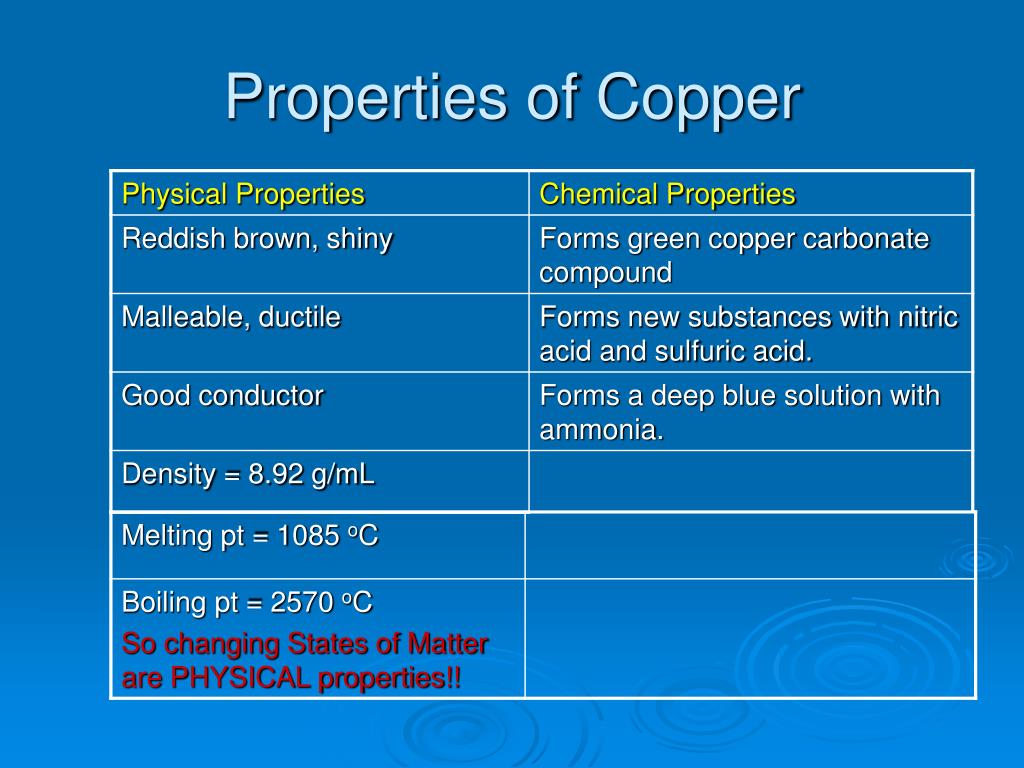
Imagine a brand new copper pot, gleaming under the kitchen light. That's pure, unadulterated copper at its finest. It's got a distinct, almost orange-red hue that's pretty unmistakable. It's why some people even call it "rose gold".
But give it some time out in the open, and something interesting happens. That shiny surface starts to dull, and eventually, you might even see a greenish tinge appearing. That's the famous patina, a result of copper reacting with the air and water.
Must Read
Think of the Statue of Liberty! Originally, she was a gleaming copper monument. Now, thanks to years of exposure, she sports a beautiful, green coat of patina. It's like copper's way of aging gracefully – or, you know, reacting chemically with its surroundings.
Bend It Like Beckham (or Just Copper)
Have you ever tried bending a piece of metal? Some metals snap, others are just plain stubborn. But copper? Copper is surprisingly pliable. It's what scientists like to call malleable and ductile.
Malleable basically means you can hammer it into thin sheets without it cracking. Think copper foil! And ductile means you can draw it out into thin wires without it breaking. This is crucial for all those electrical wires snaking through your walls.
Imagine trying to wire your house with something brittle like cast iron. It would be a disaster! Copper's bendy nature is what makes it so incredibly useful in so many applications.
Feeling the Heat (and the Electricity)
Copper is a rockstar when it comes to conducting heat and electricity. In fact, it's one of the best conductors out there, second only to silver (which is way too expensive to use for everything!).
That's why you find copper in the bottom of many high-quality pots and pans. It helps to distribute heat evenly, preventing those annoying hot spots that burn your food. No one likes a scorched dinner!
And of course, its excellent electrical conductivity is why copper is used in wiring. It allows electricity to flow freely and efficiently, powering our homes, devices, and pretty much everything else in the modern world.
Heavy Metal (But Not the Music Kind)
Copper is a relatively dense metal. That means it's heavier than you might expect for its size. Pick up a copper pipe sometime, and you'll notice it has a surprising heft.
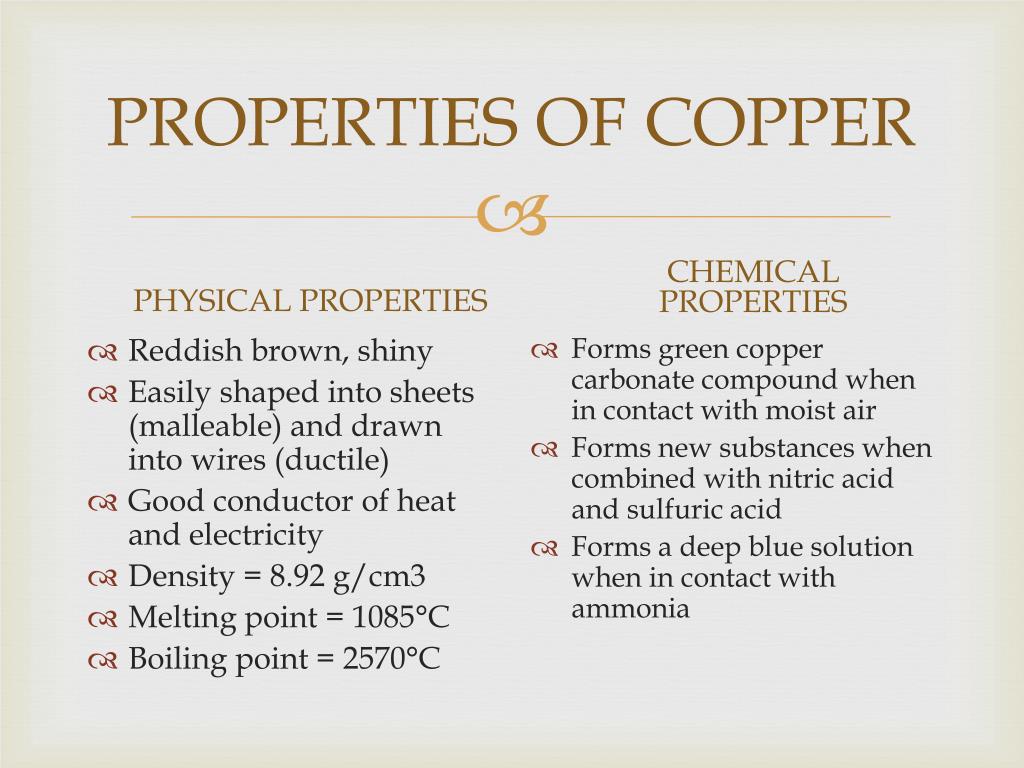
This density is important for certain applications, like plumbing and construction. You want pipes and fittings that are strong and durable, and copper's density contributes to that. Imagine trying to build a sturdy house with pipes made of aluminum foil!
It’s not as dense as lead or gold. But, copper is not light like aluminum. Copper has the right balance, providing the right amount of weight and stability for various applications.
A Melting Point That's Pretty Hot Stuff
Copper has a fairly high melting point, around 1,085 degrees Celsius (1,984 degrees Fahrenheit). That's why it's used in applications where it needs to withstand high temperatures without losing its structural integrity.
Think about those copper coils in air conditioners and refrigerators. They need to withstand the constant cycling of hot and cold refrigerant without melting or deforming. Copper's high melting point makes it perfect for the job.
You won't be melting copper with your kitchen stove. It requires industrial-strength heat to transform solid copper into a molten liquid. But it shows copper’s enduring nature.
The Sound of Copper (Maybe?)
Here's a fun fact: copper, when struck, can produce a ringing sound. It's not as distinctive as, say, a bell made of bronze, but it's there. You might notice it if you drop a copper pipe or coin on a hard surface.
The sound is related to copper's density and elasticity. When struck, the metal vibrates, producing sound waves. While copper isn't typically used for musical instruments (except in some very specialized applications), the fact that it can produce sound adds another layer to its unique characteristics.
Imagine a symphony orchestra where all instruments are made of copper. Although unlikely, it is a testament to the versatility of copper.
Copper's Got Game (in the Periodic Table)
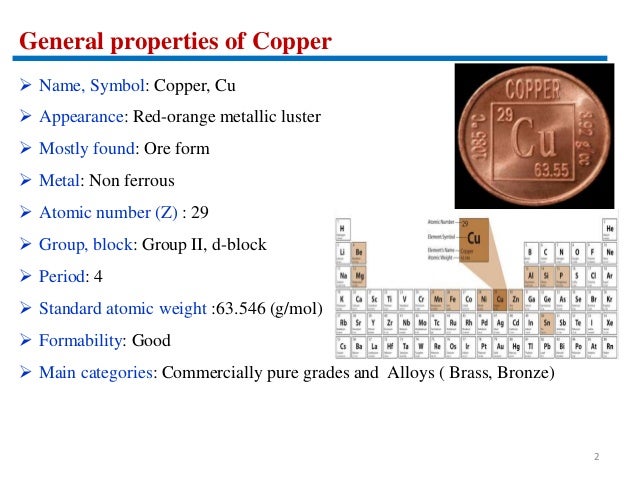
In the grand scheme of things, copper has its own place in the periodic table of elements. It's represented by the symbol Cu (from the Latin word "cuprum," which is thought to be derived from the island of Cyprus, a major source of copper in ancient times).
It's an element with an atomic number of 29, which means each copper atom has 29 protons in its nucleus. Don't worry too much about the technical details! The important thing is that copper is a fundamental building block of the universe, just like oxygen, hydrogen, and carbon.
It is copper's unique atomic structure that dictates the physical properties that we have discussed earlier, from its color to its conductivity.
The Bottom Line
So, there you have it! A whirlwind tour of the physical characteristics of copper. From its reddish-brown luster and bendy nature to its excellent conductivity and relatively high melting point, copper is a truly remarkable metal.
It's a metal that we often take for granted, but it plays a vital role in our lives, from powering our homes to providing us with essential tools and technologies. Next time you see a copper penny or a copper pipe, take a moment to appreciate the unique and fascinating properties of this amazing element.
Who knew a simple metal could be so interesting? Maybe it's time to start a copper appreciation club. Just a thought!
Just like a good friend, copper has stood the test of time.