What Are The Metals In Periodic Table Of Elements
Ever wonder what makes your phone buzz, your car run, or your jewelry sparkle? The answer, in large part, lies within the fascinating world of metals, those shiny, strong, and conductive elements that form the backbone of our modern world. Exploring the metals of the Periodic Table isn't just a science lesson; it's like unlocking a secret code to understanding how things work around us!
Why should you care about metals? Well, for beginners, it's a fantastic way to dip your toes into the vast ocean of chemistry. Learning about metals makes abstract concepts like atoms and elements feel tangible and real. For families, understanding metals can spark engaging conversations about everyday objects and where they come from. Ever wonder why your pots and pans are made of different materials? Metals! And for hobbyists, like those into jewelry making, electronics, or even model building, knowing the properties of different metals is crucial for choosing the right materials for your projects.
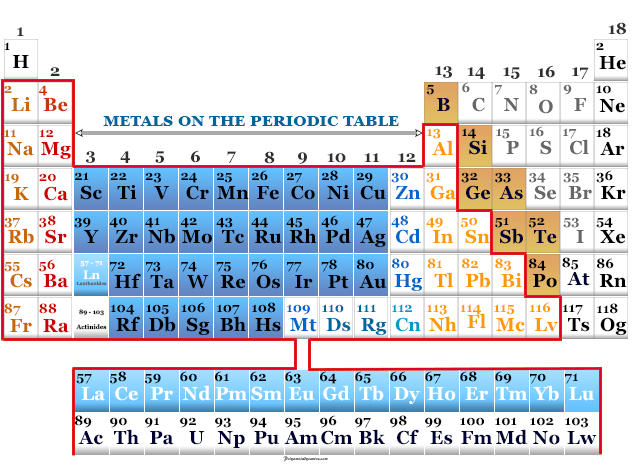
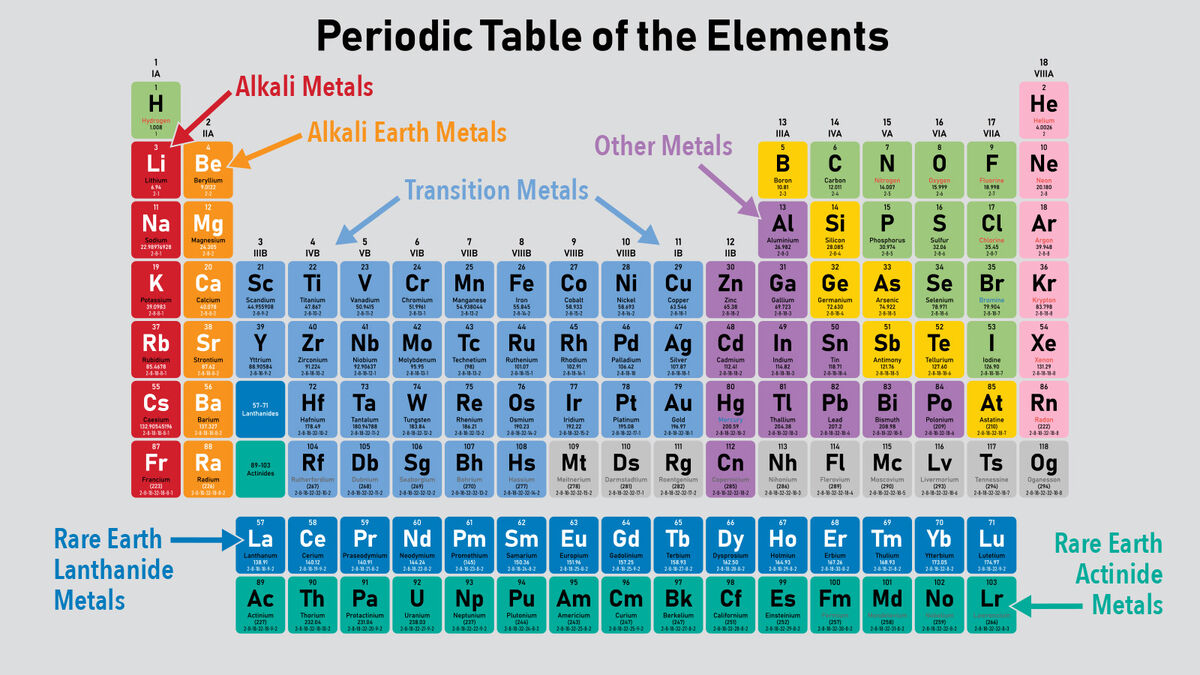
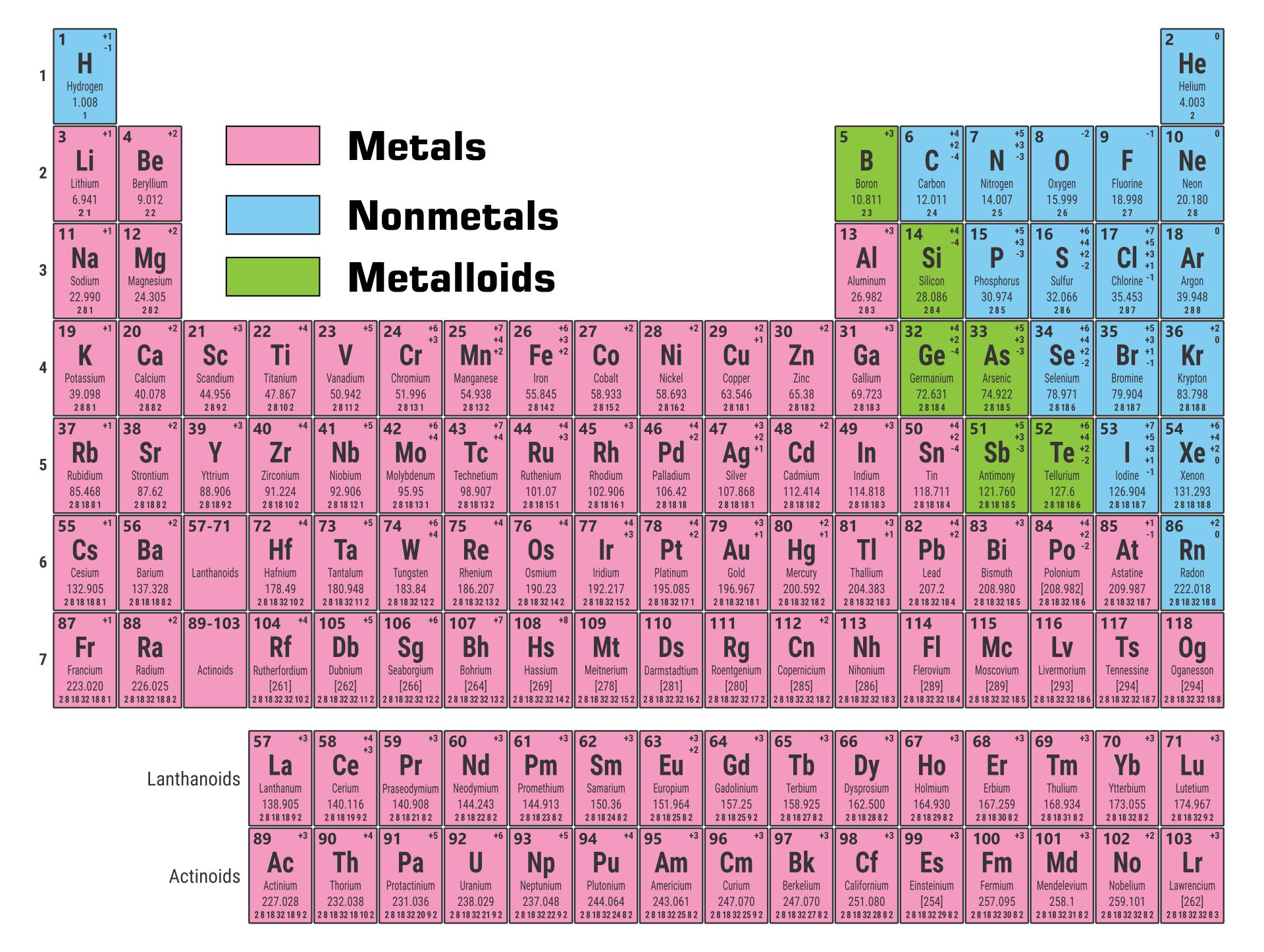
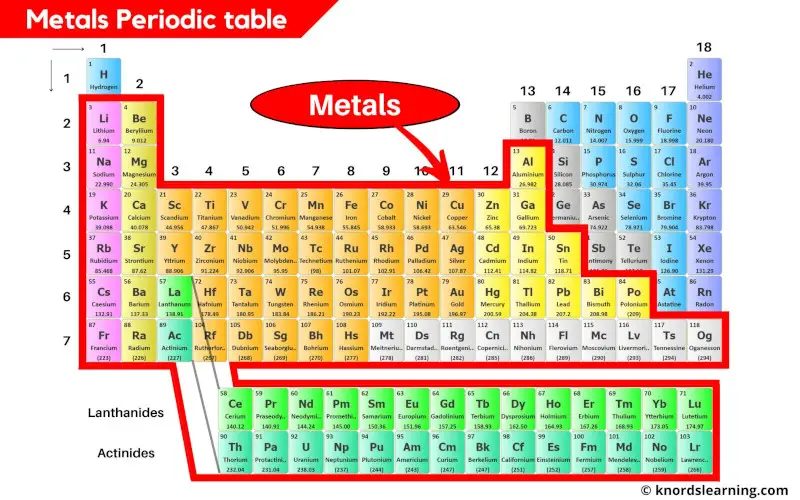
The Periodic Table is essentially a giant, organized map of all the elements, and the vast majority of those are metals. We're talking about everything from alkali metals like sodium (Na) and potassium (K), which are highly reactive, to alkaline earth metals like calcium (Ca) and magnesium (Mg), essential for our health. Then there are the transition metals like iron (Fe), copper (Cu), and gold (Au), which are used in everything from construction to electronics to, well, making things shiny! Don’t forget the basic metals such as aluminum (Al), tin (Sn), and lead (Pb), and even the lanthanides and actinides – often called the rare earth metals. Each group has unique properties that make them suitable for specific applications.
Must Read
For example, copper is an excellent conductor of electricity, which is why it's used in wiring. Iron, when combined with carbon, becomes steel, the workhorse of construction. And gold, besides being beautiful, is resistant to corrosion, making it perfect for jewelry and electronics contacts. Think about your phone: it contains tiny amounts of gold, silver, copper, and other metals, all working together to make it function.
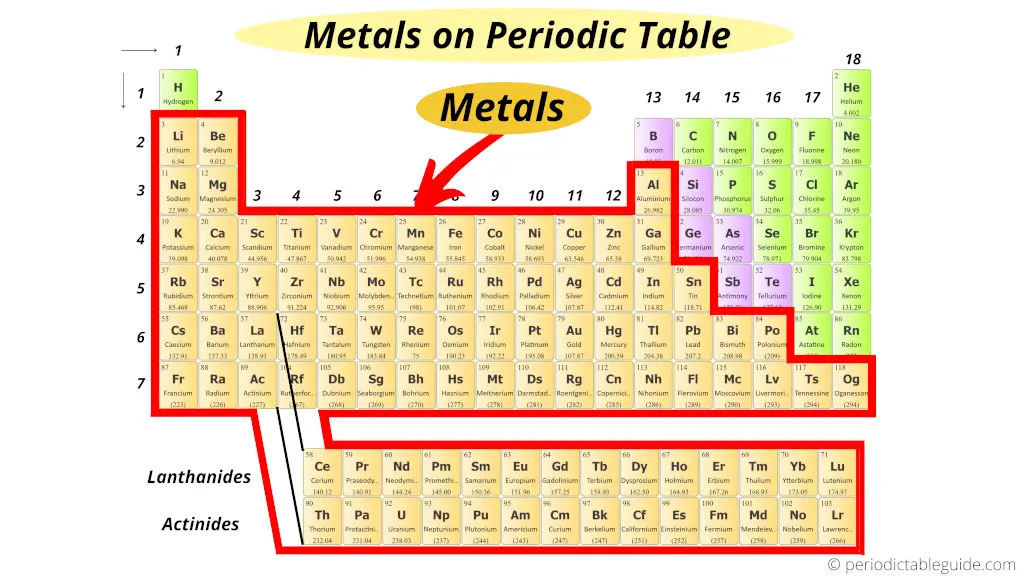
So, how can you get started exploring the world of metals? Here are a few simple tips:
- Start with what you know: Look around your house and try to identify the metals used in different objects.
- Explore the Periodic Table online: There are many interactive versions that provide information about each element.
- Do simple experiments (with adult supervision, of course!): Investigate how different metals react to magnets or conduct heat.
- Watch documentaries or read articles about the uses of metals in technology and industry.
Delving into the metals of the Periodic Table opens up a world of understanding and appreciation for the materials that shape our lives. It's a journey that can be both educational and surprisingly fun, revealing the hidden chemistry behind the everyday things we often take for granted. So go ahead, explore the amazing world of metals and discover the power and beauty of these essential elements!