
What Are The Four Classes Of Fire Extinguishers

Meet Your Fire-Fighting Friends!
Ever walk past a bright red fire extinguisher and give it little thought? These trusty red cylinders are like the silent superheroes of our everyday lives.
They stand guard in our homes, offices, and favorite restaurants, ready to spring into action when things get a little too hot.
But did you know that not all fire extinguishers are created equal? Just like superheroes have different powers, these amazing devices are designed to tackle specific kinds of fires.
Must Read
Let's dive into the surprising, and sometimes heartwarming, world of the four (and a half!) classes of fire extinguishers. Get ready to meet your new fire-stopping pals!
Class A: The Campfire Conqueror
First up is Class A, the most common type you'll encounter. Think of it as the hero for everyday, ordinary fires.
These are the blazes started by things like wood, paper, cloth, or even that pile of leaves in your backyard.
"When your campfire gets a little too enthusiastic, Class A is your best friend!"
Essentially, a Class A extinguisher works by cooling things down. It often contains good old water, or a water-based chemical, to douse the flames and reduce the temperature.
Imagine a tiny fire truck in your hand, ready to calm down any fiery situation involving your favorite books or a comfy blanket.
It's the extinguisher you'd grab if a spark flew from the fireplace onto the rug, or if a stack of newspapers got too close to a heat source.

This class truly protects the cozy corners of our lives, keeping our homes safe from accidental paper dragons and wooden mischief.
Class B: The Grease Guzzler
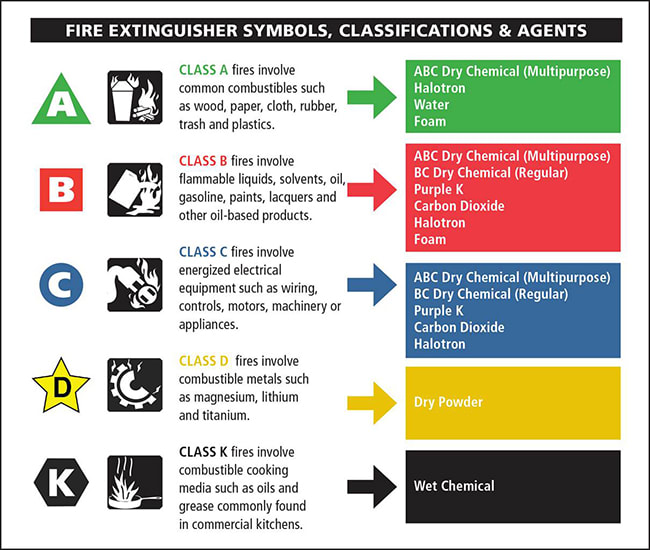
Next, we have Class B, a specialized hero that understands the tricky nature of liquids. This extinguisher steps in when things like gasoline, oil, paint, or cooking grease catch fire.
If you've ever had a minor kitchen mishap with a frying pan, you know how quickly cooking oil can turn into a scary blaze.
"For those slippery, sizzling fires, Class B extinguishes with a flourish!"
Unlike Class A, you absolutely do not want to use water on these fires; it can make them spread even more dramatically! Instead, Class B extinguishers work by smothering the flame.
They create a barrier, cutting off the fire's oxygen supply and effectively choking it out. It's like putting a lid on a burning pan, but with a lot more scientific oomph.
This class is a vital guardian in garages, workshops, and any place where flammable liquids are stored, protecting us from potentially explosive situations with grace and efficiency.
Class C: The Electric Enforcer
Then there's Class C, the hero for fires involving live electrical equipment. Think sparking wires, overloaded power strips, or even a faulty toaster that decides to put on a light show.
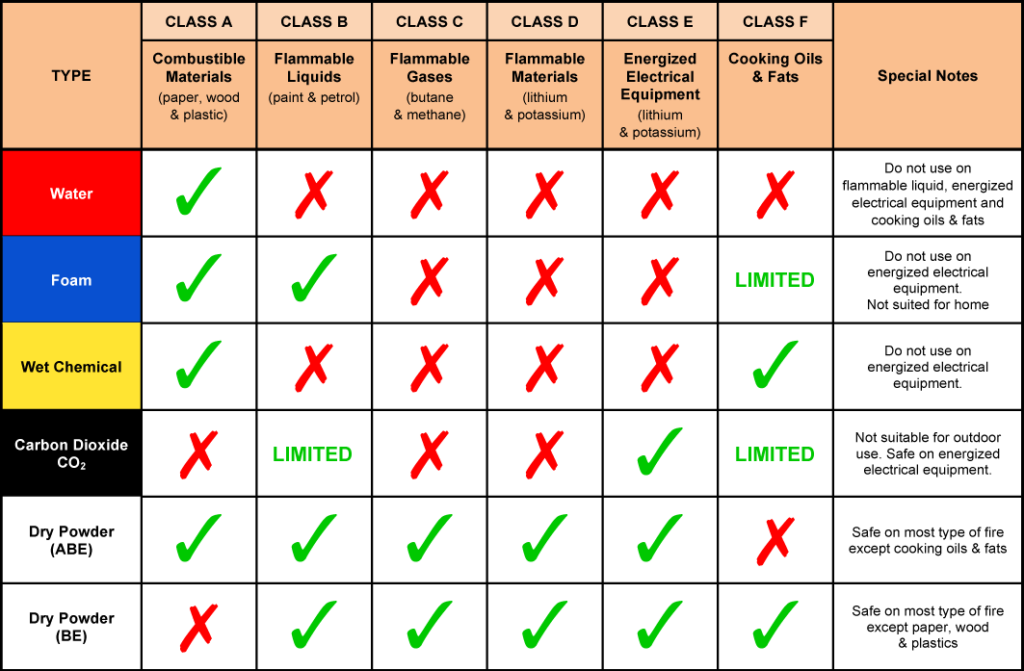
Just like with liquid fires, using water on an electrical fire is a big no-no; it conducts electricity and could give you a dangerous shock.
"When wires misbehave, Class C zaps the danger away, safely!"
Class C extinguishers typically contain a dry chemical or carbon dioxide that won't conduct electricity. This allows you to safely put out the fire without the risk of electrocution.
It’s the silent protector of our modern, tech-filled lives, safeguarding our gadgets, appliances, and the intricate wiring that powers our homes and offices.
Imagine it saving your beloved computer from a rogue power surge or protecting your family from a sparking Christmas tree light strand. It's a true electronic bodyguard.
Class D: The Metal Maestro
Now for the really unique one: Class D. This is where things get truly surprising for most people. Class D extinguishers are designed for fires involving combustible metals.
Yes, certain metals can burn, and they do so with incredible intensity! We're talking about things like magnesium, titanium, potassium, or sodium.
"Who knew metals could blaze with such ferocity? Class D is ready for that metallic inferno!"
These fires are rare in most homes, but they are a serious concern in industrial settings, laboratories, or specialized workshops.
You can't just throw water on them, or even use a typical dry chemical; it can actually make the fire worse or cause an explosion!
Class D extinguishers use very specific dry powder agents that are tailored to the particular metal that's burning. It's like having a custom-made suit for each metal fire, ensuring precision and safety.
It's a reminder that the world of fire safety is far more intricate and fascinating than we often imagine, protecting specialized environments and the people who work within them.
Class K: The Kitchen Knight (The Fifth Musketeer!)
And finally, though often grouped with B or considered a specialized subtype, let's give a special shout-out to Class K. This hero is specifically for fires involving cooking oils and fats in commercial kitchens.
Think deep-fat fryers in your favorite diner or restaurant. These oils burn at extremely high temperatures, and a regular Class B might not be enough to handle the intensity.
"When deep-fryer grease goes wild, Class K steps in with a soapy, fire-fighting hug!"
Class K extinguishers work by a process called "saponification." This fancy word means they create a chemical reaction that turns the hot grease into a harmless, soapy foam.
This foam not only cools the oil but also creates a non-combustible blanket, preventing reignition. It's like turning a fiery monster into a bubbly, harmless puddle.
This dedicated class ensures that our beloved eateries and the hardworking people in them are safe, allowing us to enjoy delicious meals without a side of fiery drama. It’s a heartwarming guardian for our culinary adventures.
Your Everyday Fire Squad!
So there you have it! The fantastic five of fire extinguishers, each with its own special power, ready to protect us from different types of blazes.
Understanding these classes isn't just about technical knowledge; it's about appreciating the clever design behind these everyday guardians that keep our lives safe and sound.
The next time you spot a fire extinguisher, you'll see it in a whole new light. You'll recognize it as a specialized tool, chosen carefully for its specific mission.
Perhaps you'll even feel a little warmth, knowing that these silent heroes are always on duty, watching over our homes, our workplaces, and our favorite spots.
Stay safe, stay curious, and give a silent nod to these incredible fire-fighting friends!