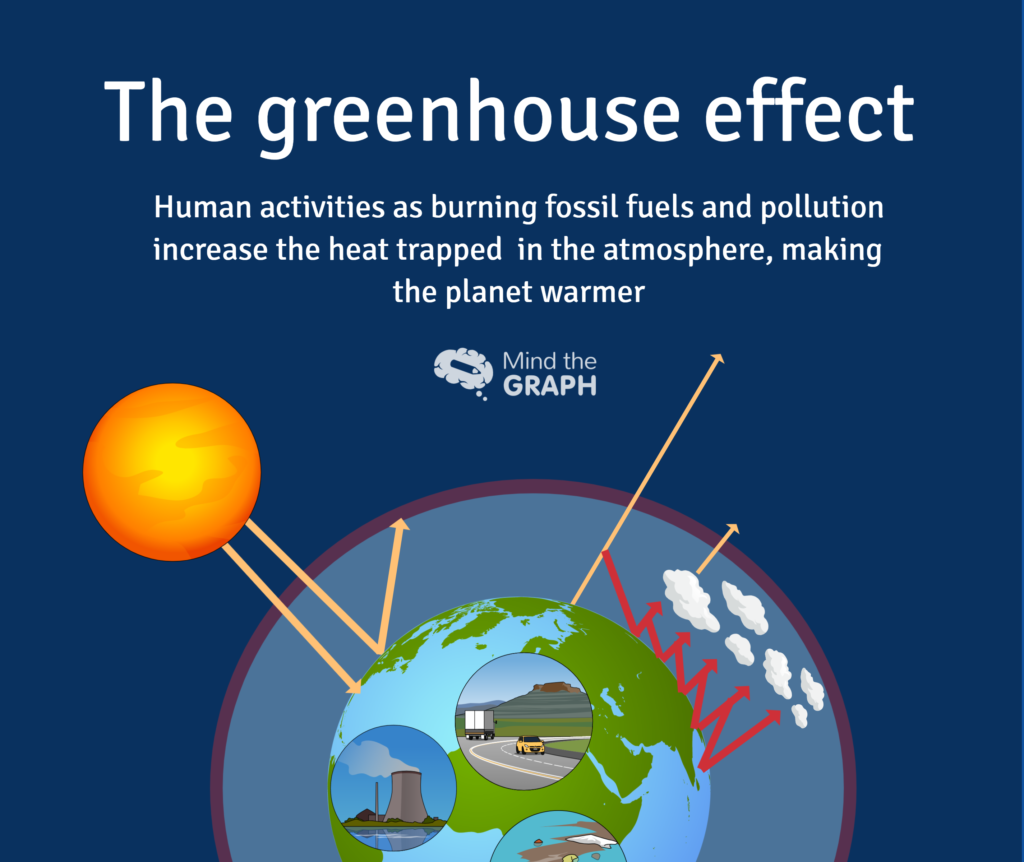
What Are The Causes And Effects Of Greenhouse Effect
Imagine Earth is a giant, fluffy marshmallow roasting over a campfire. That campfire? The sun! And the atmosphere, that thin layer of gases surrounding our planet? It's the stick you're using to hold that marshmallow in place.
Now, if you hold your marshmallow too close to the fire, it gets charred and gooey, right? That, in a very simplistic, delicious way, is similar to what's happening with the greenhouse effect. It's not inherently bad, in fact, it's essential for life! Without it, Earth would be a frozen wasteland, less "marshmallow roasting" and more "marshmallow popsicle." But, just like holding that marshmallow too close, too much of a good thing can lead to some sticky situations.
So, What Causes This Toasty Situation?
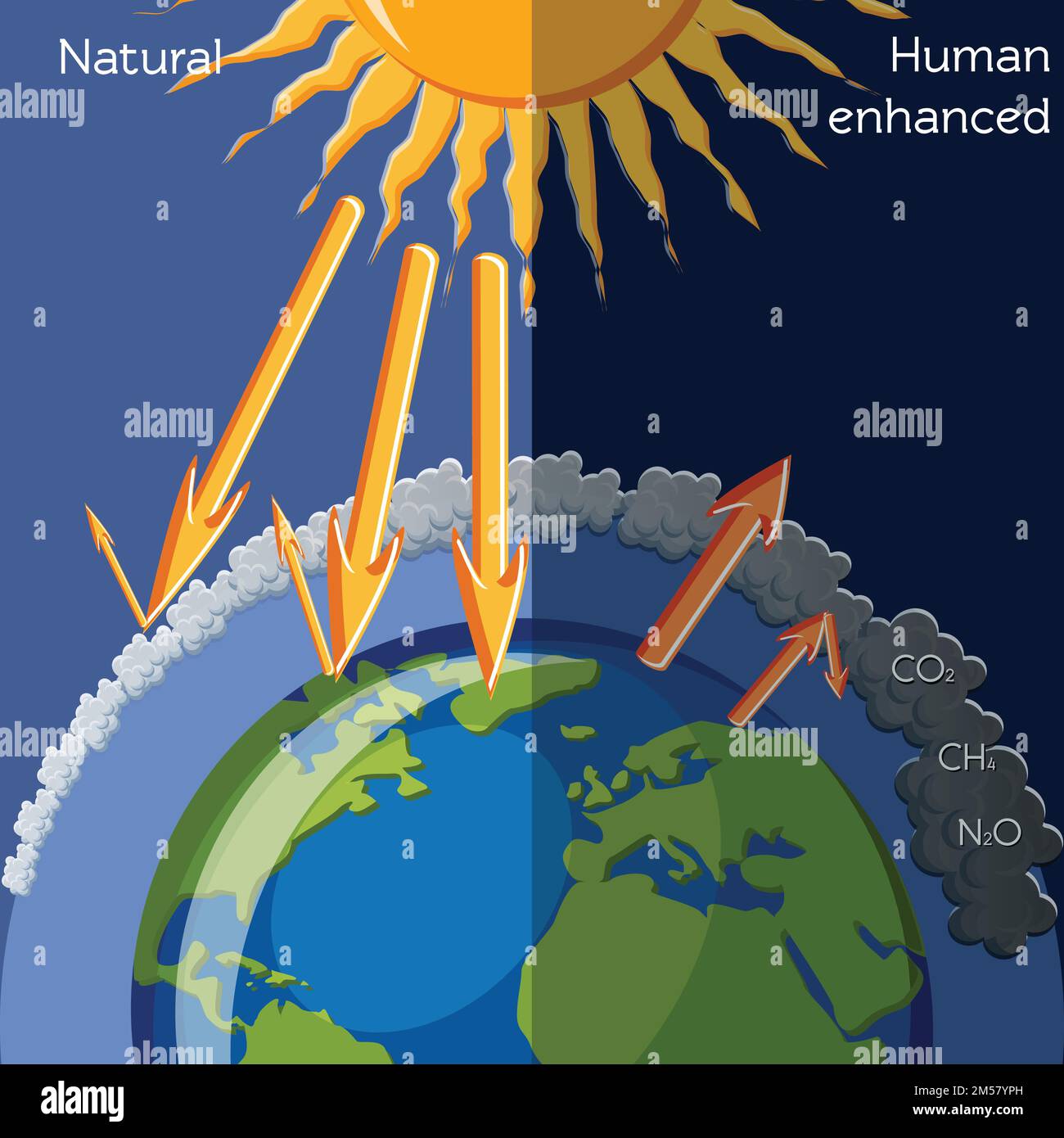
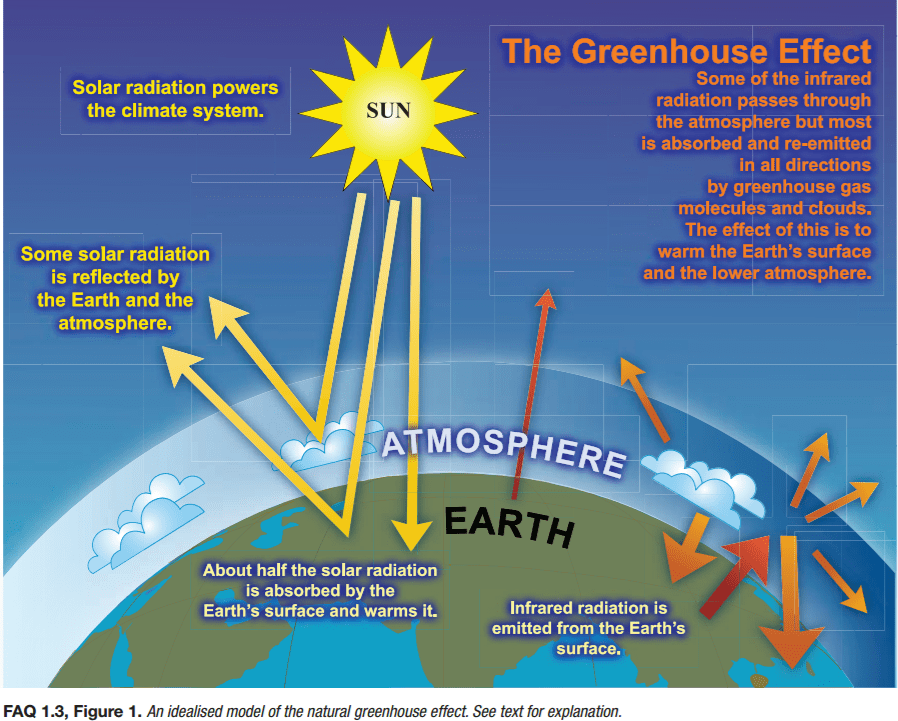
Think of the atmosphere as having tiny, invisible windows. Sunlight, which is a form of energy, streams through these windows and warms the Earth. The Earth then tries to release that heat back into space. But here's the kicker: certain gases in the atmosphere – we call them greenhouse gases – act like a one-way mirror. They let the sunlight in, but they make it harder for the heat to escape. This traps the heat, warming the planet. Kind of like wrapping a blanket around the Earth...a blanket that's getting a little too warm for comfort.
Must Read
These greenhouse gases are emitted from various sources, some natural, some... not so much. Think of it as nature accidentally bumping into the marshmallow stick, and then humans deciding to use a flamethrower to get it really golden brown. Natural sources include things like volcanic eruptions (nature's way of setting off fireworks!) and even decomposition of organic matter (that's right, even leaf litter plays a tiny role).
But the biggest culprit? Us! Our burning of fossil fuels like coal, oil, and natural gas for energy is like turning the campfire up to eleven. These fuels release massive amounts of carbon dioxide (CO2), the most abundant greenhouse gas, into the atmosphere. Deforestation is another issue. Trees absorb CO2, so when we chop them down, that CO2 goes right back into the air. It's like taking away the Earth's CO2-absorbing sponges!
What Are The Effects? (Besides a Really Hot Marshmallow)
Okay, so the Earth is getting warmer. Big deal, right? Well, consider this: that "slight" increase in temperature can trigger a whole cascade of effects, like a domino rally of ecological weirdness.
One of the most obvious effects is melting ice caps and glaciers. Think of all those polar bears suddenly looking for a new home (and maybe a better real estate agent). As the ice melts, sea levels rise, potentially flooding coastal cities and turning beachfront property into, well, just "property." Imagine Venice, Italy, becoming a permanent underwater theme park.
Then there are the extreme weather events. We're talking more intense hurricanes, droughts, and floods. It’s like Mother Nature is throwing a tantrum because we messed with her thermostat. These events can displace populations, damage infrastructure, and disrupt food production. Remember the summer of 2023? Yeah, that's just a preview.
And let's not forget about the animals! Many species are struggling to adapt to the changing climate. Some are shifting their ranges, trying to find cooler temperatures. Others are facing extinction because their habitats are disappearing. It's a tough time to be a penguin who likes things chilly.
The ocean is also absorbing a lot of the excess CO2 from the atmosphere, which makes it more acidic. This is bad news for coral reefs, which are often called the "rainforests of the sea" because they support so much marine life. Imagine a vibrant coral reef turning into a bleached-out wasteland. Not exactly a heartwarming scene.

So, What Can We Do?
While the situation might seem bleak, it’s not hopeless! We can, and must, find ways to reduce our carbon footprint. Think of it as turning down the campfire before the marshmallow turns into a charred, unrecognizable mess.
Switching to renewable energy sources like solar and wind is a big one. Planting trees (lots and lots of trees!) helps absorb CO2. Reducing meat consumption can also make a difference, as livestock farming contributes significantly to greenhouse gas emissions. Even simple things like using less energy at home and driving less can add up.
Essentially, we need to change our relationship with the planet. Instead of treating it like a disposable resource, we need to start viewing it as a fragile ecosystem that we depend on for our survival. It's time to roast our marshmallows a little more carefully, and make sure there's enough for everyone to enjoy – polar bears, penguins, and humans alike.